Skip to content
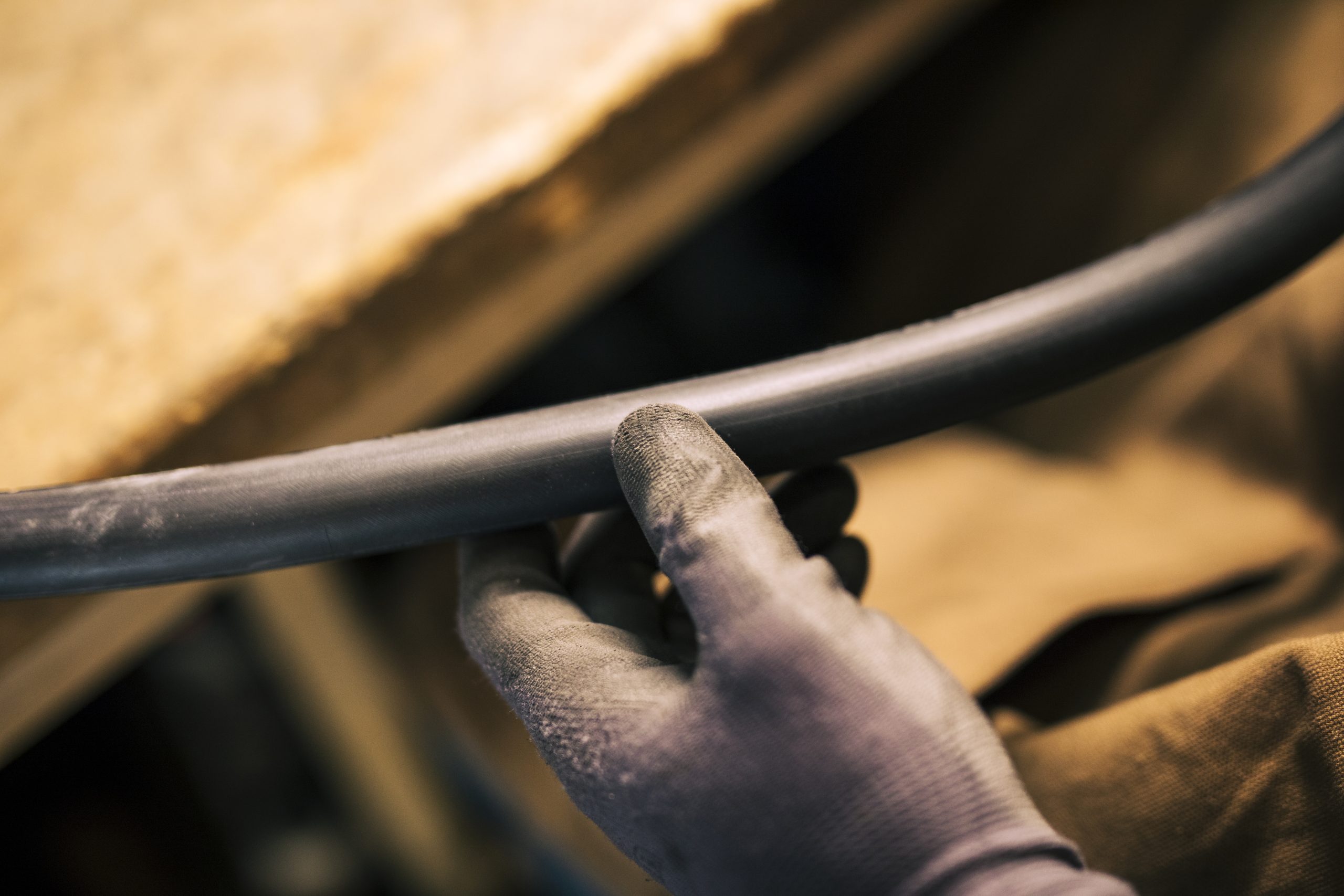
In the dynamic realm of structural engineering, where precision can make the difference between a landmark achievement and a costly setback, we at TJ Steel Detailers place immense value on adhering to established benchmarks. The American Institute of Steel Construction (AISC) standards serve as the gold standard for ensuring quality steel detailing, guiding every phase from design to erection. These guidelines aren’t mere suggestions; they’re essential frameworks that promote safety, efficiency, and longevity in steel projects. As specialists in steel detailing, we’ve seen how embracing AISC principles transforms potential challenges into seamless successes. In this comprehensive exploration, we’ll uncover why these standards are indispensable for maintaining high-quality outcomes, while highlighting the broader benefits and applications of metal structures that thrive under such rigorous protocols.
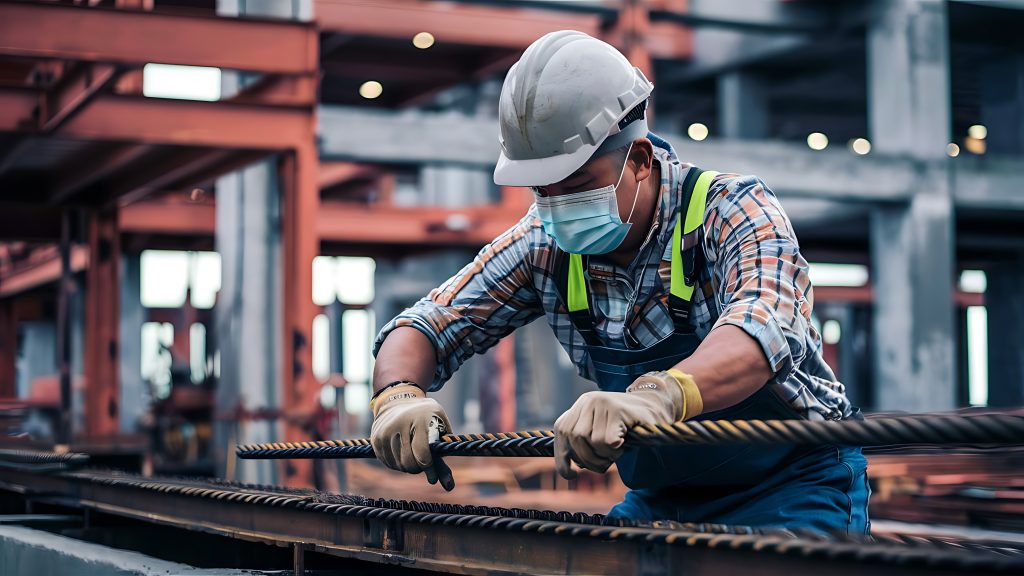
The Core Principles Behind AISC Standards
AISC standards represent decades of collective expertise, evolving to address the complexities of modern construction. We view them as the blueprint for excellence, ensuring that every steel detail contributes to a structure’s overall integrity.
An Overview of AISC’s Role in the Industry
Founded in 1921, the AISC has been at the forefront of advancing steel construction practices. Their standards, developed through rigorous research and input from engineers, fabricators, and erectors, cover everything from material specifications to connection designs. For us at TJ Steel Detailers, these documents are indispensable tools that standardize processes, minimizing ambiguities that could compromise quality. By providing clear criteria for load-bearing capacities, tolerances, and inspections, AISC helps detailers like ourselves create drawings that are not only accurate but also aligned with real-world fabrication and assembly needs.
Key Standards That Drive Quality Steel Detailing
Several pivotal AISC standards directly influence detailing practices, each tailored to specific aspects of steel work.
The AISC 360 Specification for Structural Steel Buildings
This cornerstone document outlines requirements for designing and constructing steel structures, incorporating both Load and Resistance Factor Design (LRFD) and Allowable Strength Design (ASD) methods. It emphasizes precise calculations for member sizes, connections, and stability, which are critical in detailing to prevent failures under various loads. In our projects, applying AISC 360 ensures that details account for factors like buckling and fatigue, upholding the highest levels of quality.
The AISC 303 Code of Standard Practice
Acting as a contractual guide, this code establishes acceptable practices for steel buildings and bridges, covering fabrication, erection, and quality control. It clarifies responsibilities among stakeholders, reducing disputes and ensuring consistent detailing. We often reference it to define tolerances and sequencing, which streamlines our workflows and enhances project quality.
Seismic and Specialized Provisions
Standards like ANSI/AISC 341 for seismic force-resisting systems and ANSI/AISC N690 for nuclear facilities address high-stakes environments. These provisions dictate detailing for ductility and resilience, such as prequalified connections in ANSI/AISC 358, which eliminate the need for extensive testing. By integrating these, we at TJ Steel Detailers deliver details that prioritize safety in earthquake-prone or critical infrastructure settings.
How AISC Standards Elevate Quality in Steel Detailing
Quality isn’t an afterthought—it’s embedded in every line of a detail drawing. AISC standards provide the rigor needed to achieve this, fostering practices that mitigate risks and optimize performance.
Ensuring Structural Safety and Regulatory Compliance
At the heart of AISC’s importance is their focus on safety. Standards mandate minimum requirements for material strength, weld quality, and bolt installations, which detailers must incorporate to avoid vulnerabilities. For instance, specifying adequate cover and anchorage prevents corrosion and bond failures. In our experience, compliance with AISC not only meets building codes but often exceeds them, resulting in structures that endure extreme conditions. This proactive approach to quality reduces liability and builds trust with clients, ensuring projects pass inspections without hurdles.
Minimizing Errors Through Standardized Processes
One of the most tangible benefits we observe is the reduction in errors. AISC’s detailed guidelines on tolerances and fabrication sequences allow for clash-free designs, especially when using 3D modeling. By standardizing symbols, notations, and calculations, detailers can produce shop drawings that fabricators interpret accurately, cutting down on rework. We’ve found that projects adhering to AISC experience up to 20% fewer on-site modifications, directly boosting efficiency and maintaining budgetary control.
Integrating Quality Control Measures
AISC 207 for certification programs underscores the need for robust inspections and corrective actions. This includes nondestructive testing like ultrasonic examinations, which we incorporate into our detailing notes. Such measures ensure that quality is verified at every stage, from mill certification to final erection, preventing defects that could compromise the entire build.
Promoting Sustainability and Long-Term Value
AISC standards also align with eco-friendly practices by encouraging efficient material use and recyclable steel grades. Detailing under these guidelines optimizes designs to minimize waste, such as through value engineering that reduces member sizes without sacrificing strength. This not only enhances environmental stewardship but also delivers long-term cost savings, as structures require less maintenance over their lifespan.

The Benefits and Applications of Metal Structures in AISC-Compliant Projects
Metal structures, particularly steel, form the backbone of countless developments, and AISC standards amplify their inherent advantages. We at TJ Steel Detailers leverage these to create solutions that are as innovative as they are reliable.
Outstanding Durability and Resilience Benefits
Among the primary benefits of metal structures is their exceptional durability. Steel’s high strength-to-weight ratio allows for lighter yet robust frameworks, capable of withstanding heavy loads, winds, and seismic forces. Under AISC guidelines, which specify yield strengths and fatigue limits, these structures achieve lifespans exceeding 50 years with minimal degradation. This resilience translates to lower insurance premiums and reduced repair needs, making them a cost-effective choice for quality-focused projects. Additionally, metal’s resistance to fire (when properly detailed) and pests further bolsters safety, ensuring uninterrupted functionality.
Efficiency and Cost-Effectiveness in Construction
Metal structures excel in prefabrication, where components are detailed and fabricated off-site per AISC tolerances, then assembled quickly on location. This modularity cuts construction time by up to 30%, minimizing labor costs and site disruptions. We see this efficiency in action, as precise detailing prevents delays, allowing projects to meet tight deadlines while upholding quality standards.
Diverse Applications Across Various Sectors
The applications of metal structures are incredibly broad, adapting seamlessly to AISC requirements for optimal performance.
Commercial and High-Rise Buildings
In urban skyscrapers, metal frames provide the flexibility for open floor plans and tall elevations. AISC’s seismic provisions ensure these towers remain stable, as seen in office complexes where steel enables expansive glass facades without compromising integrity.
Industrial and Infrastructure Projects
Factories, warehouses, and bridges benefit from metal’s scalability. For industrial halls, long-span trusses detailed to AISC specs support heavy machinery, while bridges use steel girders for durability against traffic and weather. We’ve detailed numerous such projects, where AISC compliance facilitates rapid erection and long-term reliability.
Specialized and Sustainable Uses
In nuclear facilities or retrofit scenarios, AISC N690 and 342 guide detailing for enhanced safety. Metal structures also shine in green initiatives, like solar farms or LEED-certified buildings, where recyclable steel reduces carbon footprints. Emerging applications include modular housing, where prefabricated metal units speed up affordable developments, all while maintaining top-tier quality.
Best Practices for Implementing AISC Standards in Steel Detailing
To fully harness AISC’s potential, we recommend a structured approach. Begin with thorough training on the latest editions, as standards evolve—such as the 2022 updates incorporating dual units for global applicability. Utilize software compliant with AISC, like Tekla, for automated checks on connections and loads. Foster collaboration by involving fabricators early, ensuring details are practical. Finally, conduct regular audits against AISC criteria to refine processes, embedding quality into your firm’s DNA.
Overcoming Common Challenges
Challenges like complex geometries or budget constraints can arise, but AISC provides tools to navigate them. For intricate designs, reference prequalified connections to simplify detailing. On tight budgets, optimize through AISC’s value engineering principles, balancing cost with uncompromised quality.
Frequently Asked Questions

How do AISC standards differ from other international codes?
AISC focuses on U.S.-centric practices but aligns with global principles, emphasizing detailed specifications for steel that ensure quality in design and execution. We adapt them seamlessly for international projects by cross-referencing equivalents.
What role does technology play in adhering to AISC standards?
Technology like BIM software automates compliance checks, generating AISC-compliant drawings efficiently. In our operations at TJ Steel Detailers, it enhances accuracy, reducing human error and elevating overall quality.
Are AISC standards applicable to small-scale projects?
Yes, even modest endeavors benefit from AISC’s scalable guidelines, which promote quality without overcomplication. We apply them to everything from residential additions to large infrastructures, ensuring consistent excellence.
Conclusion

Ultimately, AISC standards are crucial for quality steel detailing, providing the rigorous framework that safeguards projects against uncertainties while maximizing the benefits and applications of metal structures. From their role in enhancing durability and efficiency to enabling diverse uses in commercial, industrial, and specialized fields, these standards empower us at TJ Steel Detailers to deliver exceptional results. By prioritizing AISC compliance, we not only meet industry expectations but exceed them, fostering structures that are safe, sustainable, and superior. If you’re embarking on a steel project, consider how these principles can elevate your vision—connect with us today to experience the difference in quality firsthand.