Saltar al contenido

In the dynamic world of US structural steel fabrication, 2026 brings both opportunity and intense pressure. Infrastructure projects are booming thanks to ongoing federal investments, while data centers, renewable energy installations, and commercial developments demand ever-more complex steel assemblies. At the same time, domestic labor shortages continue to challenge in-house teams, material costs fluctuate, and project timelines grow tighter than ever. We see many fabricators asking the same question: should we outsource structural steel detailing to stay competitive? The answer is rarely simple. Done right, outsourcing can slash costs, accelerate delivery, and free your shop floor for what it does best—fabrication and erection. Done poorly, it can lead to costly errors, delays, and compliance headaches.
We have guided dozens of US fabricators through this exact decision, and we know the stakes are high. This guide walks you through every critical consideration for outsourcing structural steel detailing in 2026. We will explore the current industry landscape, the real benefits and risks, the technological shifts reshaping the field, and the practical steps you need to take before signing any contract. By the end, you will have a clear, actionable framework to make an informed choice that protects your bottom line and your reputation.

The Current Landscape of US Structural Steel Fabrication and Why Outsourcing Is Surging
The US structural steel sector is experiencing robust growth in 2026, yet fabricators face persistent headwinds. According to recent industry reports, demand for fabricated steel has risen nearly 12 percent year-over-year, driven largely by public infrastructure spending and private-sector projects in technology and energy. However, the skilled detailing workforce remains in short supply. Many experienced detailers have retired, and training pipelines have not kept pace with demand. This shortage forces shops to either turn down work or push existing teams beyond sustainable limits.
We regularly hear from fabricators who are weeks behind on shop drawings while erection crews sit idle. Outsourcing structural steel detailing offers an immediate solution by tapping into global talent pools where dedicated teams work around the clock. Offshore providers in regions with established expertise can deliver high-quality output at a fraction of domestic labor costs—often 40 to 60 percent lower. Yet the decision goes far beyond price. In 2026, successful outsourcing hinges on aligning your specific needs with a partner who understands American codes, BIM workflows, and the relentless pace of modern construction.
Fabricators who ignore this alignment risk project failures that erode trust with general contractors. Conversely, those who approach outsourcing strategically report faster project starts, fewer RFIs, and stronger margins. We believe the surge in outsourcing is not a temporary fix but a permanent shift. The question is no longer whether to outsource, but how to do it intelligently so your shop remains agile and profitable.
Understanding Structural Steel Detailing: What Fabricators Must Know Before Outsourcing
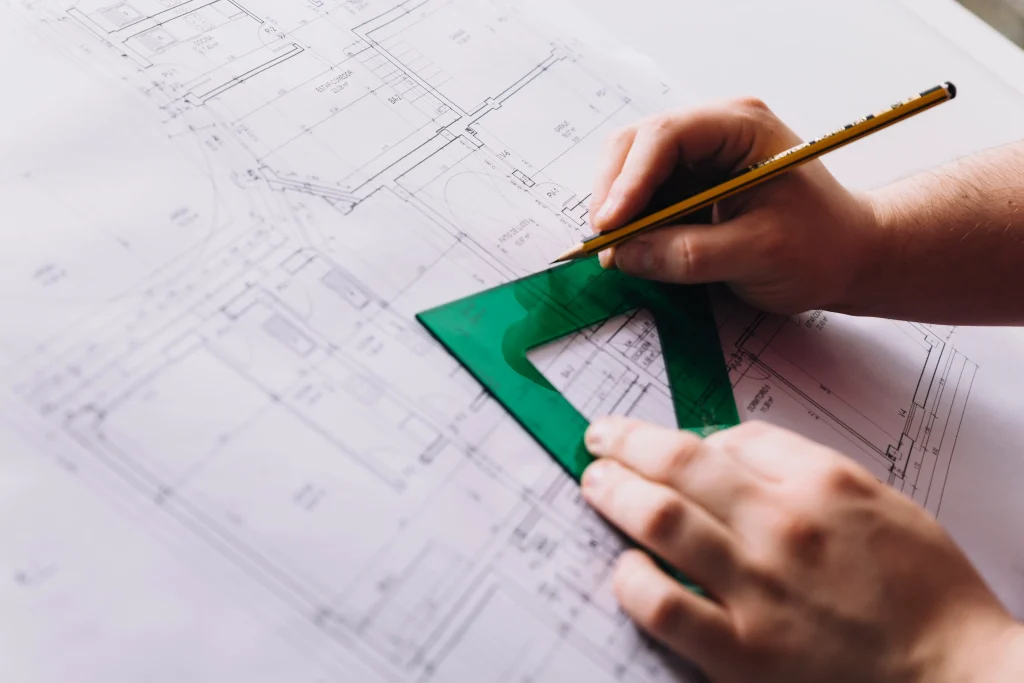
Structural steel detailing is the critical bridge between design intent and physical fabrication. It involves creating precise shop drawings, erection plans, and 3D models that specify every cut, hole, weld, and connection. A single misplaced dimension or missed connection can trigger thousands of dollars in rework once steel reaches the job site. We cannot overstate the importance of accuracy—precision here directly determines safety, schedule, and cost.
In 2026, detailing has evolved far beyond traditional 2D CAD. Most projects now require full BIM integration using platforms like Tekla Structures, SDS/2, or Advance Steel. These tools allow clash detection, material takeoffs, and seamless data exchange with fabricators’ CNC equipment and erectors’ field tablets. When you outsource, your partner must demonstrate fluency in these systems and compatibility with your internal software.
The Technological Leap from 2D to Intelligent 3D Modeling
The transition to intelligent 3D models has transformed what was once a labor-intensive drafting exercise into a collaborative, data-rich process. Fabricators who outsource gain access to teams that produce models capable of automated CNC exports, accurate BOMs, and real-time revisions. This capability reduces errors that historically plagued 2D workflows. Yet it also raises the bar: your outsourcing provider must understand parametric modeling, LOD requirements, and how to incorporate engineer-of-record changes without disrupting your production schedule.
We advise every fabricator to evaluate a prospective partner’s portfolio of completed 3D projects. Ask for examples that mirror the complexity of your typical work—whether it is heavy industrial framing, seismic retrofits, or architecturally exposed steel. A provider who has delivered hundreds of US-compliant models will save you far more than one who simply offers the lowest hourly rate.
Why Precision and Compliance Cannot Be Compromised
US fabricators operate under strict standards from the American Institute of Steel Construction (AISC), ASTM specifications, and local building codes. Outsourcing does not absolve you of responsibility; the fabricator of record remains liable for the final product. That is why we recommend verifying that your partner maintains current AISC certifications for detailing and understands OSHA erection tolerances. In 2026, projects increasingly involve sustainability requirements and seismic performance categories that demand meticulous documentation. A detailer unfamiliar with these nuances can create compliance gaps that surface only during third-party reviews or field inspections.

Key Factors US Fabricators Should Evaluate Before Choosing an Outsourcing Partner
Before committing to any outsourcing arrangement, we urge you to conduct a thorough due-diligence process. Begin with a clear understanding of your own pain points. Are you struggling with turnaround time, staff burnout, or inconsistent quality? Document these challenges so you can measure potential partners against them.
Cost remains the primary driver for most fabricators, yet the cheapest option is rarely the most economical. We recommend calculating total cost of ownership, including communication overhead, revision cycles, quality assurance time, and potential rework. A provider charging 30 percent less may ultimately cost you more if their drawings require extensive corrections.
Cost Considerations and Calculating True ROI in 2026
Labor arbitrage still delivers significant savings, but hidden expenses can erode them. Factor in secure file-transfer protocols, dedicated project managers, and the time your team spends reviewing submissions. In 2026, many leading providers bundle these services, offering fixed-price packages rather than hourly billing. We suggest requesting detailed quotes that break down deliverables by drawing type—anchor bolt plans, connection details, and general arrangement drawings—so you can compare apples to apples.
A smart ROI analysis also accounts for opportunity cost. When your in-house detailers are freed from routine work, they can focus on value-added tasks such as custom connection design or pre-fabrication optimization. Fabricators who have made this shift report 15 to 25 percent faster overall project delivery.
Selecting the Right Partner: Experience, Technology, and Cultural Fit
Look for providers with a proven track record on US soil. Request references from fabricators similar in size and project type to yours. Examine their quality-control processes: do they employ independent checkers? Are they using the latest versions of your preferred software? In 2026, cloud-based collaboration platforms have become standard; insist on real-time access so your team can mark up models instantly rather than waiting for email exchanges.
Cultural and time-zone alignment matters more than many realize. A partner who understands American construction rhythms—Friday afternoon rushes before weekend shutdowns, holiday schedules, and the importance of clear English communication—will reduce friction. We always recommend a trial project before full commitment. A small, low-risk job reveals how the partner handles revisions, RFIs, and unexpected design changes far better than any sales presentation.
Data Security, Intellectual Property, and Regulatory Compliance
Intellectual property protection is non-negotiable. Require NDAs, encrypted file transfers, and audit trails that document every access to your drawings. In an era of increasing cyber threats, verify that the provider maintains SOC 2 or equivalent certifications. Additionally, confirm they understand export-control regulations if your projects involve government or defense-related work.
Technological Advancements Reshaping Outsourcing Decisions in 2026
The detailing industry is undergoing rapid transformation. Artificial intelligence now assists with connection optimization and clash resolution, while cloud platforms enable seamless global collaboration. Fabricators who partner with forward-thinking providers gain early access to these tools without investing in expensive licenses or training.
We are particularly excited about the rise of automated quantity takeoffs and generative design features that can suggest efficient framing layouts. When your outsourcing team leverages these capabilities, you receive not just accurate drawings but also opportunities to reduce material waste and erection time. Yet technology only delivers value when both parties speak the same digital language. Insist on compatibility testing during your evaluation phase.
Potential Risks of Outsourcing and Proven Mitigation Strategies
No decision is risk-free. Common pitfalls include miscommunication leading to dimensional errors, slower-than-expected turnaround during peak seasons, and loss of institutional knowledge when detailing stays offshore long-term. We mitigate these by building robust QA/QC checkpoints into every contract and maintaining a small internal review team that catches issues before fabrication begins.
Establish clear escalation protocols and response-time SLAs. Require weekly progress reports and 3D model reviews at 50 percent and 90 percent completion. These habits have helped our clients avoid the costly surprises that plague less-prepared outsourcing relationships.
Frequently Asked Questions

What are the typical cost savings when outsourcing structural steel detailing in 2026? Most US fabricators achieve 40 to 60 percent savings on detailing labor after accounting for all overhead. Actual results depend on project complexity, volume, and the partner’s efficiency. We recommend requesting case studies from similar projects to set realistic expectations.
How can we maintain quality control when the detailing team is located overseas? Quality is preserved through rigorous processes: independent checkers, standardized checklists aligned with AISC requirements, and real-time 3D model reviews. Choose partners who offer dedicated US-based project coordinators and conduct regular audits. A well-structured trial project will demonstrate their commitment to excellence.
Is outsourcing structural steel detailing suitable for every fabricator? It depends on your volume, project mix, and internal capacity. Small to mid-size shops with consistent workloads often benefit most. Larger fabricators with highly specialized or proprietary connection designs may prefer a hybrid model—keeping critical elements in-house while outsourcing standard framing. We help clients assess their unique situation before recommending the best path forward.
Conclusion
Outsourcing structural steel detailing in 2026 represents far more than a cost-cutting tactic—it is a strategic lever that can enhance competitiveness, accelerate growth, and position your fabrication business for long-term success. We have seen fabricators transform from struggling with capacity constraints to confidently bidding on larger, more complex projects once they implemented the right outsourcing partnership.
The key is preparation. Take time to define your requirements, evaluate partners against the criteria we have outlined, and build safeguards that protect quality and intellectual property. When you approach the decision with clear eyes and a solid plan, outsourcing becomes a powerful advantage rather than a risky experiment.