Skip to content

We know how challenging it can be to run a successful steel fabrication business in the United States today. Tight schedules, rising material costs, skilled labor shortages, and increasing project complexity put immense pressure on every member of your team. Among all the elements that go into steel detailing, connection design stands out as one of the most critical and high-risk areas. A single mistake in a connection detail can trigger delays, massive change orders, safety concerns, and significant financial losses that far outweigh errors in other parts of the project.
In this in-depth guide, we explain exactly what connection design in steel detailing involves, why it demands the highest level of precision, and how investing in expert connection engineering can protect your bottom line and strengthen your competitive position. If you are a fabricator looking to reduce risk and improve project outcomes, understanding the true impact of connection design is essential.
Understanding Connection Design in Structural Steel Detailing
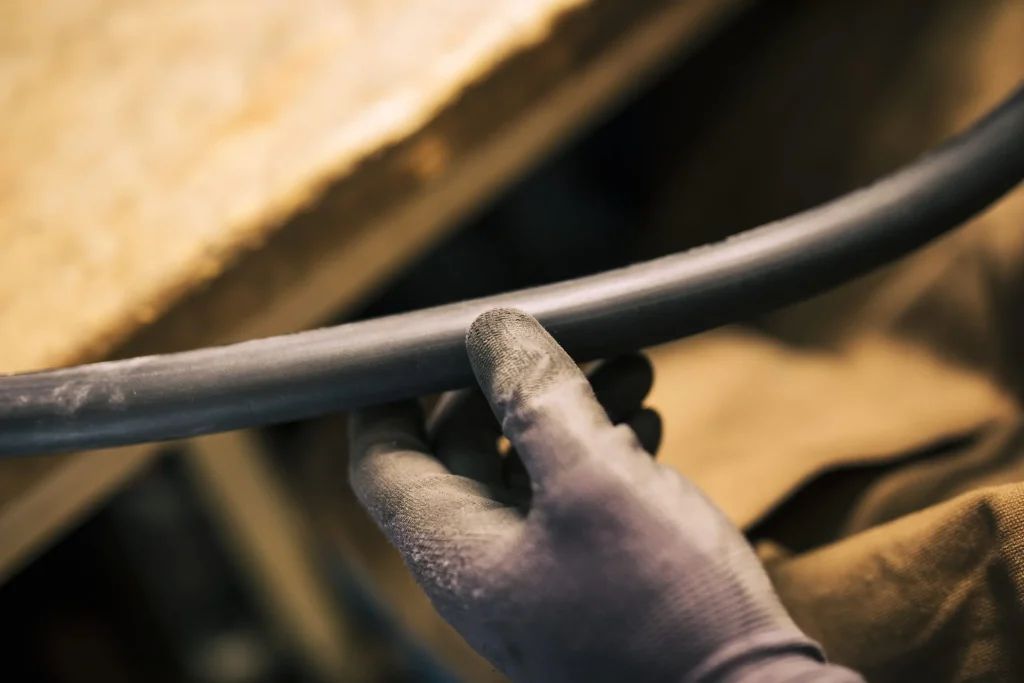
Connection design is the engineering process of determining how individual steel members—beams, columns, girders, braces, and trusses—join together to transfer forces safely and efficiently throughout the structure. We consider it the heart of structural steel detailing because connections are where the real structural behavior happens.
Unlike basic member sizing, connection design must account for loads in multiple directions: shear, moment, tension, compression, and sometimes torsion. Every bolted or welded joint must be strong enough to handle these forces while remaining economical to fabricate and erect. We evaluate factors such as bolt grades and patterns, weld sizes and types, plate thicknesses, stiffener requirements, gusset plates, end plates, and coping details.
Good connection design balances structural integrity, fabrication feasibility, erection efficiency, and cost. We always aim for connections that are not only safe and code-compliant but also practical for your shop’s equipment and your erector’s crew on site.
In the United States, connection design must comply with the latest AISC specifications, including AISC 360 for design, AISC 303 for code of standard practice, and relevant seismic provisions when required. We take these responsibilities seriously because the consequences of non-compliance can be severe.
Why Connection Design Carries the Highest Risk in Steel Projects
We have seen time and again that errors in connection design tend to be the most expensive mistakes in any steel project. Here is why they hurt so much.
First, connections are often on the critical path. When a connection fails to fit or does not meet the required strength during erection, work stops immediately. Delays compound quickly as the entire erection sequence is disrupted while engineers and detailers scramble to provide fixes.
Second, fixing connections in the field is extremely costly. On-site modifications frequently require welding in difficult positions, additional scaffolding, or even temporary shoring. These repairs drive up labor costs dramatically and can void warranties or certifications.
Third, poor connection design leads to excessive material use or, worse, undersized connections that compromise safety. Oversized connections waste steel and labor, while undersized ones create liability risks that no responsible fabricator wants to face.
Fourth, connection issues generate a high volume of RFIs and change orders. Each one consumes valuable time from your project managers and can damage relationships with general contractors and owners.
We believe the true cost of connection errors is often underestimated. When you factor in schedule delays, premium time, material waste, rework labor, engineering time, and potential damage to your reputation, a single poorly designed connection can easily cost tens of thousands of dollars — sometimes far more on large projects.

The Connection Design Process: How We Deliver Reliable Results
We follow a disciplined, multi-stage approach to connection design that combines engineering expertise with advanced 3D modeling technology.
The process begins with a thorough review of the structural engineer’s design drawings and load information. We analyze the forces at each connection and select the most appropriate connection type—simple shear connections, moment-resisting connections, braced frame connections, or base plates.
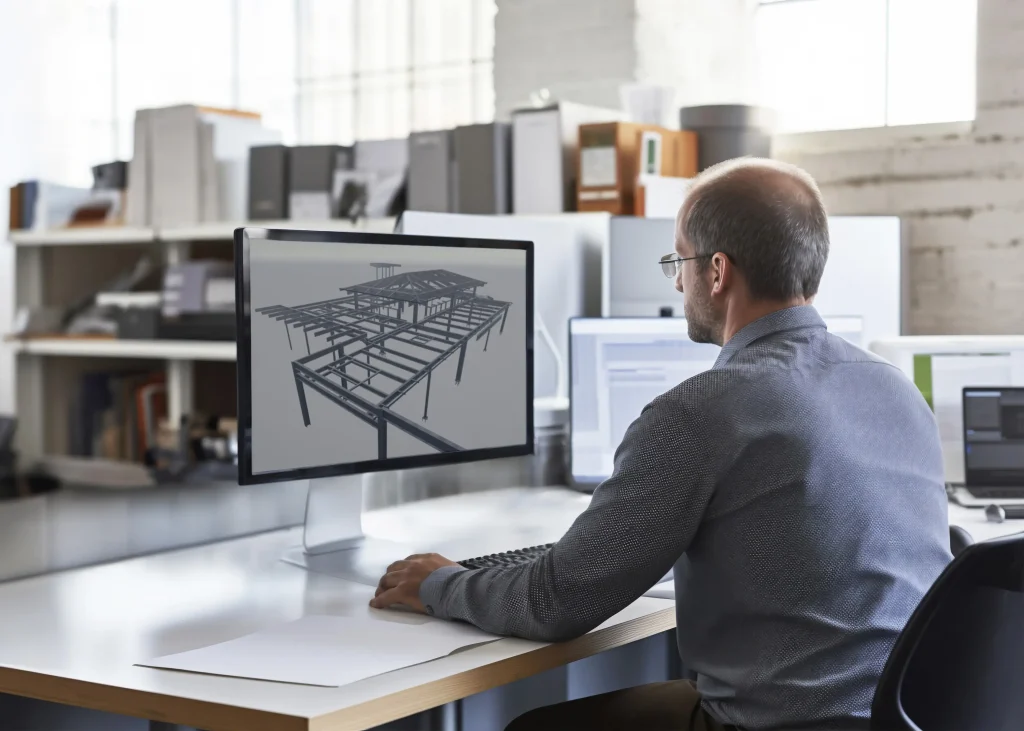
Using sophisticated software such as Tekla Structures, SDS/2, or specialized connection design tools, we create detailed 3D models of every joint. These models allow us to visualize load paths, check clearances for bolts and welds, verify fit-up tolerances, and perform clash detection with other building systems.
We then prepare comprehensive connection details including:
- Bolt schedules with grades, sizes, and quantities
- Weld symbols, sizes, and lengths according to AWS standards
- Stiffener and doubler plate requirements
- Coping and notching dimensions
- Gusset plate geometry and connection angles
Every design undergoes rigorous internal review and independent checking by senior engineers before being released for fabrication. This layered quality control process significantly reduces the chance of errors reaching your shop floor.
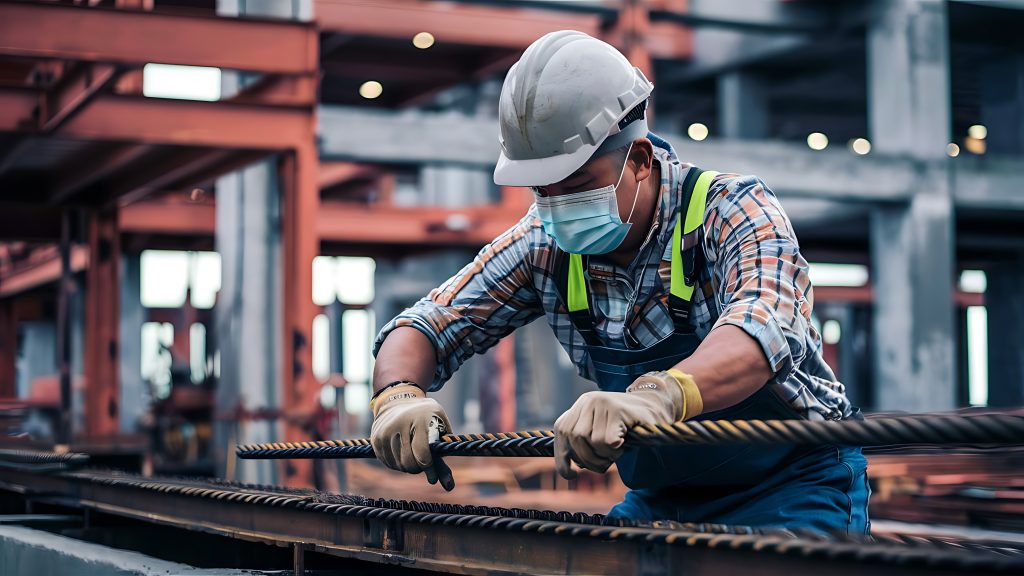
Common Connection Design Mistakes and Their Expensive Consequences
We regularly encounter several recurring mistakes that prove particularly costly for fabricators.
One frequent issue is inadequate consideration of erection tolerances. Connections that look perfect on paper may not fit when steel members arrive on site with normal mill and fabrication tolerances. We always build realistic tolerances into our designs to prevent fit-up problems.
Another common error involves incorrect load assumptions. Underestimating eccentricities or failing to account for secondary moments can lead to connections that are dangerously under-designed. Conversely, grossly over-designing connections wastes money and complicates fabrication unnecessarily.
Poor standardization across a project also creates problems. When every connection is unique, your shop loses efficiency in programming CNC equipment and your field crew spends extra time interpreting different details. We strive to standardize connections wherever possible without compromising performance.
Neglecting constructability is another pitfall. Connections that are difficult or unsafe to erect—such as those requiring welding in overhead positions or awkward bolt access—drive up field labor costs dramatically.
By working with experienced connection designers who understand both engineering principles and real-world fabrication realities, you can avoid these expensive traps.
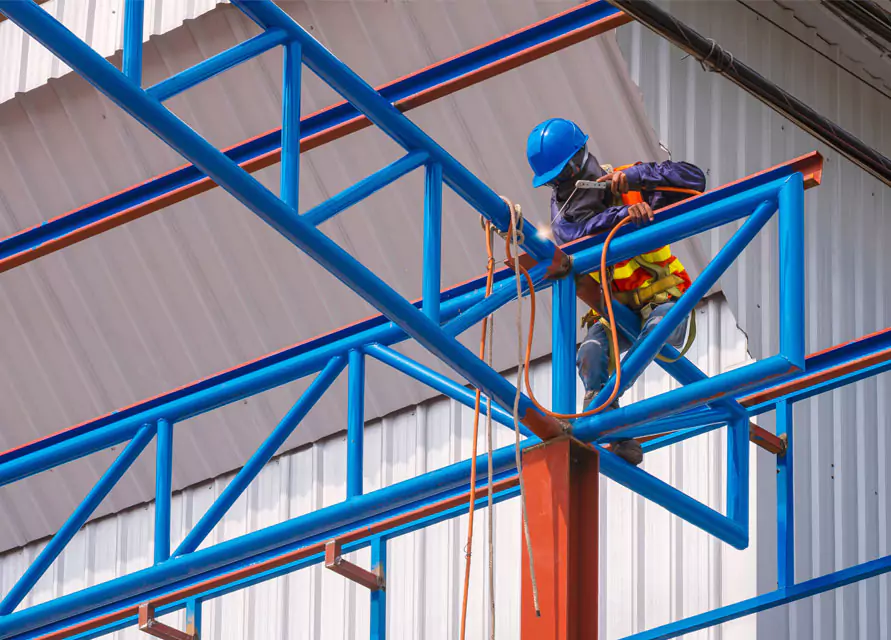
The Benefits of Professional Connection Design for US Fabricators
We strongly recommend treating connection design as a strategic investment rather than a simple drafting task. When executed correctly, professional connection design delivers multiple advantages:
- Faster shop production through optimized, repeatable details that work well with your CNC equipment
- Smoother erection with fewer field fit-up issues and reduced crane time
- Lower material and labor costs by eliminating waste and unnecessary over-design
- Fewer RFIs and change orders, which protects your schedule and margins
- Enhanced safety for both shop personnel and ironworkers on site
- Stronger competitive position when bidding on complex or fast-track projects
Fabricators who partner with skilled connection design teams consistently report higher profitability and better client satisfaction. In an increasingly competitive market, this expertise becomes a powerful differentiator.
Modern technologies such as BIM integration, automated connection libraries, and finite element analysis further improve accuracy and speed while allowing us to explore more efficient design alternatives.

Best Practices for Minimizing Connection-Related Risks
We advise fabricators to engage connection design experts as early as possible in the project lifecycle. Early involvement allows for value engineering opportunities that can reduce costs while maintaining structural performance.
Maintain clear communication between your detailing team, the structural engineer of record, and your fabrication and erection crews. Regular model reviews and coordination meetings help catch potential issues before they become expensive problems.
Implement strict quality assurance protocols specifically focused on connections. Double-checking load paths, bolt capacities, weld strengths, and fit-up conditions should be standard procedure on every project.
Consider developing standardized connection details tailored to your shop’s capabilities and common project types. Standardization improves efficiency and reduces the chance of errors.
Frequently Asked Questions

What exactly is connection design in steel detailing? Connection design is the detailed engineering of joints between steel members to safely transfer forces while ensuring the connections are practical to fabricate and erect. It includes selecting bolt patterns, weld details, plates, and stiffeners according to AISC standards.
Why are mistakes in connection design so expensive? Connection errors often halt erection, require costly field modifications, generate numerous change orders, waste material and labor, and can compromise structural safety. The ripple effects on schedule and budget make them far more expensive than most other detailing mistakes.
How can fabricators reduce risks associated with connection design? The most effective strategy is partnering with experienced professionals who combine strong engineering knowledge with practical fabrication and erection expertise. Early engagement, rigorous quality checks, and the use of advanced 3D modeling tools significantly minimize connection-related problems.
Conclusion

We believe that mastering connection design is one of the smartest investments any US steel fabricator can make. While it represents only a small portion of the total detailing effort, its impact on project success, cost control, and risk management is enormous.