Skip to content
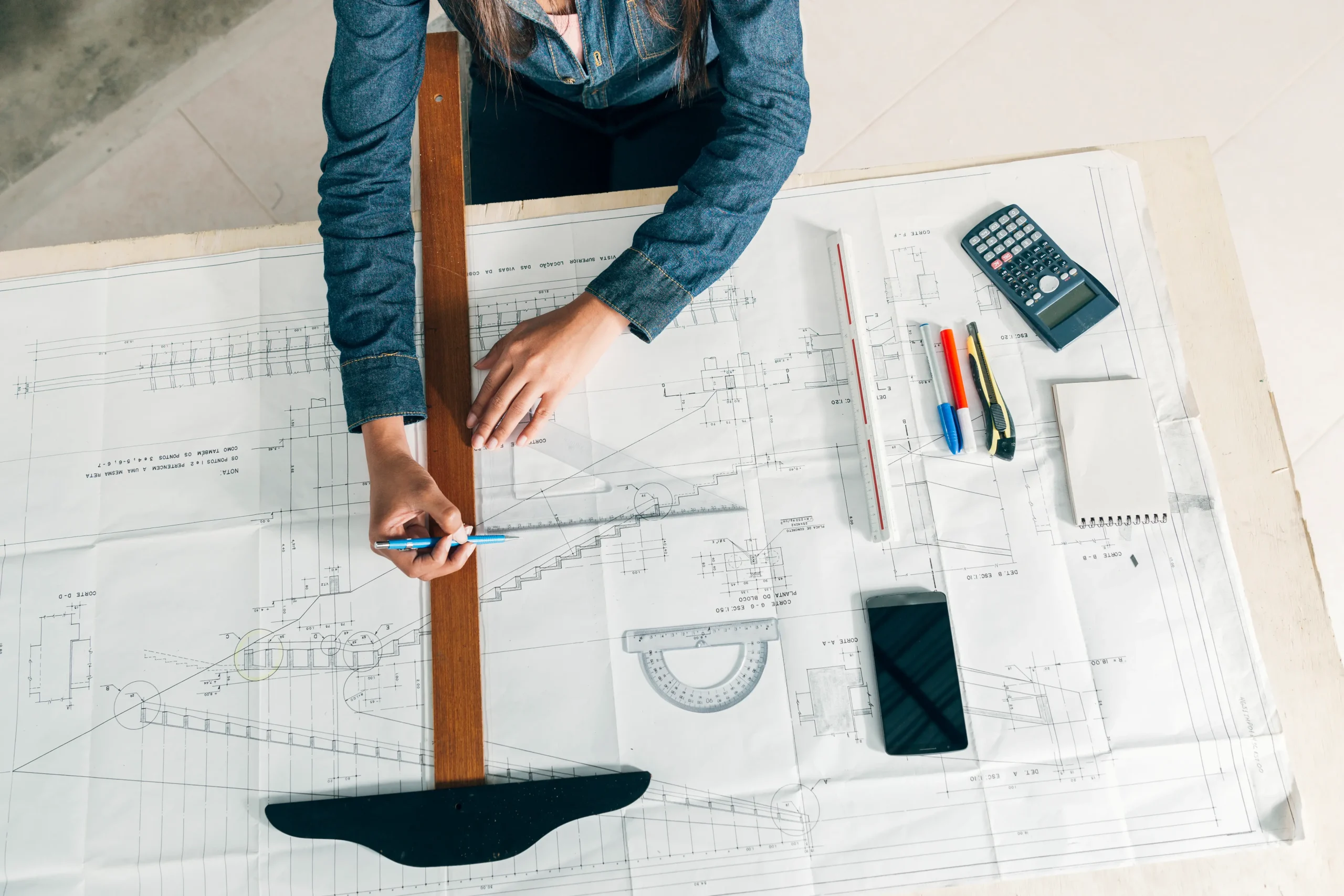
In the rapidly evolving steel fabrication industry, choosing the right detailing software can dramatically impact your productivity, accuracy, and bottom line. As fabricators and detailers ourselves, we have implemented both Tekla Structures and SDS/2 across hundreds of projects, from simple warehouse jobs to complex high-rise and industrial facilities. In 2026, both platforms have introduced significant advancements, making the decision more nuanced than ever.
We created this in-depth comparison to help you determine which solution better aligns with your specific fabrication needs. Whether you prioritize raw speed and automation for high-volume production or advanced BIM integration for complex, multi-stakeholder projects, we will break down the real-world strengths, limitations, and 2026 updates of each platform. By the end, you will have a clear understanding of which tool can deliver the best return on investment for your shop.
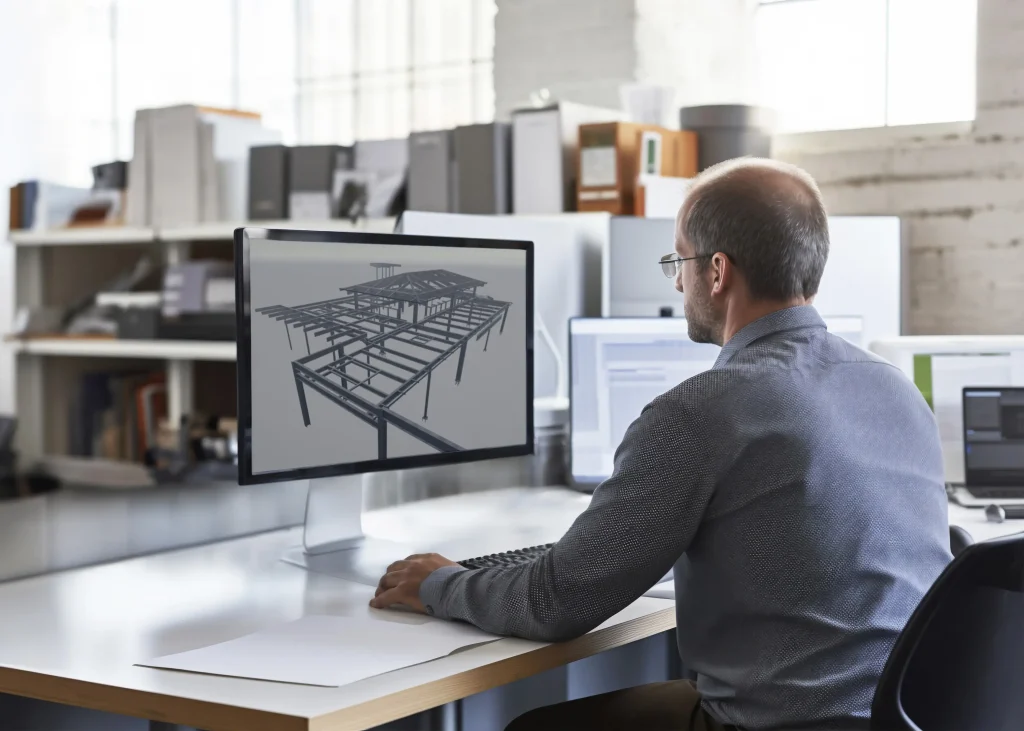
Understanding the Core Philosophies Behind Tekla Structures and SDS/2
We have found that the fundamental difference between these two powerful tools lies in their design philosophy. Tekla Structures, developed by Trimble, takes a highly flexible, model-centric approach. It excels in creating intelligent, information-rich 3D models that support the entire project lifecycle—from conceptual design through fabrication and erection. This makes it particularly strong for projects requiring deep collaboration with engineers, architects, and other trades.
SDS/2, now under ALLPLAN, adopts a more fabrication-driven philosophy. It emphasizes intelligent automation, rule-based connection design, and rapid production of shop drawings and CNC files. The software guides detailers through standardized workflows with built-in intelligence that minimizes manual input while ensuring code compliance. This focus makes SDS/2 especially popular among North American fabricators who need to move steel through the shop as efficiently as possible.
In 2026, these core strengths have been enhanced rather than fundamentally changed. Tekla has leaned heavily into AI-assisted workflows and cloud collaboration, while SDS/2 has doubled down on drawing speed, material versatility, and production-focused automation. Understanding this philosophical divide helps us recommend the right fit for different fabrication environments.
Key Feature Comparison for Fabrication Workflows in 2026
When evaluating software for daily fabrication needs, we focus on several critical areas: modeling flexibility, connection design, drawing production, CNC output, integration capabilities, and ease of use.
Modeling and Flexibility: Tekla Structures continues to lead in complex geometry and multi-material modeling. Its open environment allows detailers full manual control when needed, making it ideal for intricate architectural steel, curved members, or projects involving concrete and steel interfaces. In 2026, Tekla introduced enhanced simultaneous model and drawing editing, along with improved IFC interoperability, which streamlines coordination on design-build projects.
SDS/2 offers strong modeling capabilities but prioritizes speed through intelligent defaults and automation. The 2026 release expands support for additional materials like aluminum, stainless steel, and FRP, plus custom profile creation. This versatility helps fabricators diversify beyond traditional structural steel without switching platforms.
Connection Design and Automation: This is where SDS/2 often shines brightest. Its rule-based system can automatically design and optimize connections with minimal user input while checking for buildability, bolt spacing, and code compliance. The 2026 version introduces smart connection grouping that consolidates similar details and identifies controlling cases, significantly reducing review time on large projects.
Tekla provides powerful parametric connections and libraries, but it generally requires more upfront setup. However, its 2026 AI Model Assistant allows natural language prompts for modeling operations, helping less experienced team members work more efficiently.
Drawing Production and Output: SDS/2 has historically been faster at generating shop drawings, and the 2026 redesigned Drawing Editor with bulk revision chart editing makes it even snappier. Performance improvements and batch tools help high-volume fabricators produce clean, consistent drawings quickly.
Tekla Structures 2026 introduces a major leap with its AI Cloud Fabrication Drawings service. This “human-in-the-loop” AI uses your past project libraries to suggest complete fabrication drawings for review, dramatically cutting setup and cleanup time. Enhanced cloning and template matching further improve consistency across projects.
CNC and Shop Integration: Both platforms excel here, but they serve different needs. SDS/2 offers tight integration with shop equipment and strong direct-to-machine output. Tekla integrates seamlessly with Trimble PowerFab for end-to-end fabrication management, including inventory, production scheduling, and progress tracking.

2026 Updates That Matter Most for Fabricators
The 2026 releases have introduced meaningful advancements that directly address current pain points in steel fabrication.
For Tekla Structures 2026, the standout features include:
- AI Cloud Fabrication Drawings with improved template matching
- Project Settings Management Console for cloud-based standardization
- Layout Manager “Out of Tolerance” workflow for better field coordination
- Enhanced Trimble Connect integration for real-time collaboration
These tools help larger fabricators and those working on complex BIM projects reduce manual work while maintaining high accuracy.
SDS/2 2026 focuses on production efficiency with:
- Redesigned Drawing Editor for faster performance
- Bulk editing for revision charts
- Smart connection grouping
- Expanded material support and custom profiles
- Improved welding automation and BIMPLUS integration for seamless data sharing
These updates make SDS/2 even more attractive for mid-to-large fabricators focused on speed and shop throughput.
Cost Considerations and Return on Investment
We always advise clients to evaluate total cost of ownership rather than just license fees. Tekla Structures typically carries a higher price point, especially for full BIM capabilities, but its flexibility and integration strengths often deliver better long-term value on complex or international projects.
SDS/2 generally offers strong value for fabricators, with pricing that many mid-sized shops find more accessible. Its faster learning curve and automation can reduce training time and boost output per detailer more quickly.
In our experience, a hybrid approach sometimes makes the most sense: using SDS/2 for standard production work and Tekla for complex modeling or when clients mandate specific BIM deliverables. Many fabricators maintain proficiency in both to remain competitive when bidding on diverse projects.
Which Software Better Supports Your Fabrication Needs in 2026?
After implementing both systems across various shop sizes and project types, we offer these practical recommendations:
Choose Tekla Structures if you:
- Handle complex geometry, architectural steel, or multi-material projects
- Work frequently with design teams requiring robust BIM coordination
- Need strong international project support and open standards
- Want to leverage AI for modeling assistance and drawing generation
- Manage the full project lifecycle from detailing through erection and as-built
Choose SDS/2 if you:
- Focus primarily on North American fabrication with high-volume standard steel
- Prioritize maximum automation and fastest shop drawing production
- Need quick onboarding for new detailers
- Want powerful built-in connection design intelligence
- Seek excellent value and production-focused tools
Many successful fabricators use both platforms strategically, playing to each software’s strengths depending on the job.
Making the Right Decision for Your Shop
Selecting between Tekla Structures and SDS/2 in 2026 requires honest assessment of your current workflows, project mix, team skills, and growth plans. We recommend starting with a pilot project on each platform if possible, or working with resellers who offer thorough demonstrations using your actual sample jobs.
Consider factors beyond software features: training availability, local user support, integration with your existing shop equipment, and long-term development roadmap. Both Trimble and ALLPLAN continue investing heavily, ensuring either choice positions you well for the future.
Frequently Asked Questions
Can small fabricators afford Tekla Structures or SDS/2 in 2026? Yes. Both vendors offer flexible licensing options, including subscription models that scale with your workload. Many smaller shops start with SDS/2 due to its faster ROI on production work, while others invest in Tekla when pursuing larger or more complex contracts. We help clients calculate exact payback periods based on their tonnage and project types.
Is it difficult to switch from one software to the other? The transition requires investment in training, but both platforms share many core concepts. Detailers often become productive within weeks. We recommend phased adoption—running parallel projects initially while building standards libraries in the new software. Many teams ultimately maintain skills in both for maximum flexibility.
Which software produces better quality shop drawings for fabrication? Both deliver excellent results when used properly. SDS/2 often edges out in speed and consistency for standard work thanks to its automation. Tekla excels in highly customized or complex assemblies where modeling flexibility prevents errors. In 2026, Tekla’s AI drawing tools and SDS/2’s enhanced editor have narrowed the gap significantly, with quality depending more on your standards and review processes than the software itself.
Conclusion
The choice between Tekla Structures and SDS/2 in 2026 ultimately comes down to aligning the software with your specific fabrication strengths, project portfolio, and business goals. Both platforms have matured into incredibly capable tools, with 2026 updates bringing meaningful AI, automation, and collaboration improvements that benefit fabricators regardless of which they choose.
We have seen shops transform their operations and profitability by selecting the right primary platform and using the other strategically when needed. The most successful fabricators treat software as a competitive advantage rather than just a necessary expense.