Skip to content
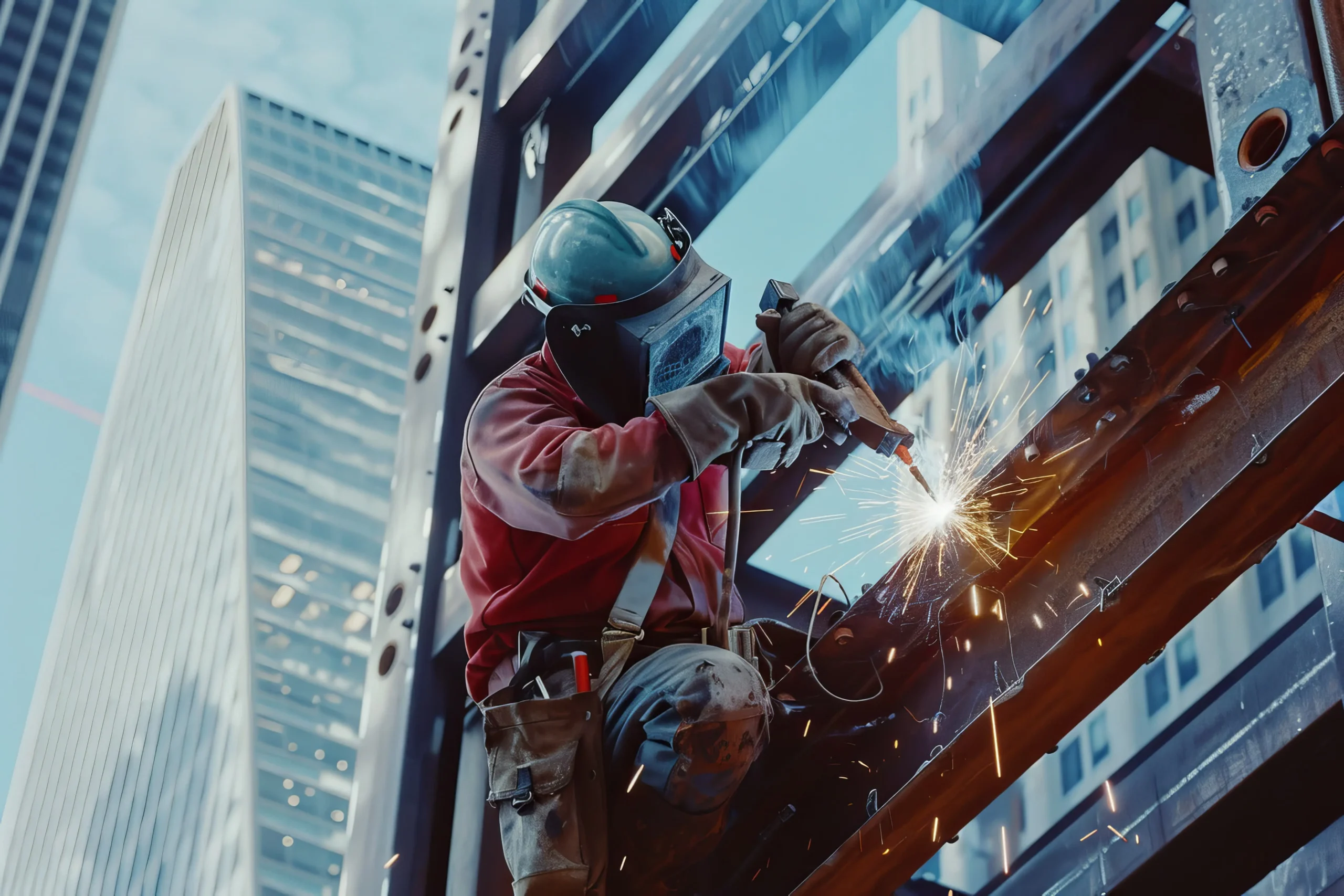
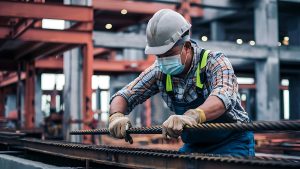
Steel fabrication thrives in communities where industry, logistics, and skilled labor intersect. In places like Pittsburg, Texas—a small but industrious city in Northeast Texas—fabricators serve a mix of local manufacturers, agricultural needs, and growing regional projects. While Pittsburg itself hosts service centers like Pittsburg Steel and custom welders handling everything from sheet processing to field fabrication, the surrounding area draws on Texas’s broader manufacturing strength. Fabricators here often tackle structural packages for warehouses, industrial expansions, poultry facilities tied to major employers, and infrastructure supporting the region’s highways and rail access.
We at T&J Steel Detailers understand these dynamics. With our team of over sixty Tekla experts delivering clash-free, CNC-ready drawings nationwide, we support fabricators in Pittsburg, across Texas, and far beyond. Our process emphasizes precision that fits regional workflows—whether you’re cutting heavy beams for a plant addition or detailing miscellaneous steel for local construction.
Navigating Steel Fabrication in Northeast Texas
Pittsburg sits in Camp County, a centralized location with strong highway connections (US 271, proximity to I-30), rail access, and a growing trade area. The local economy features a solid manufacturing base, including advanced processes and corporate operations. Major employers contribute to steady demand for fabricated steel in buildings, equipment supports, and expansions.
Fabricators in this region frequently handle:
- Structural steel for industrial and commercial buildings
- Miscellaneous metals like platforms, stairs, and handrails
- Custom components for manufacturing and agriculture
Texas’s manufacturing sector amplifies opportunities. With access to raw steel through nearby service centers and efficient transport, local shops can respond quickly to bids. However, tight schedules and the need for accuracy remain universal challenges—issues that precise detailing directly addresses.

The Benefits and Applications of Metal Structures
Steel structures offer advantages that resonate strongly in regions like Northeast Texas, where practical, durable construction drives economic activity.
High Strength-to-Weight Ratio
This core benefit allows for expansive clear spans and efficient load distribution. Fabricators can design lighter members that still handle heavy industrial loads, reducing foundation costs and enabling faster erection—ideal for warehouses and manufacturing facilities common in the area.
Durability and Low Maintenance
Steel withstands Texas weather extremes, from heat to occasional severe storms, when detailed with proper connections and coatings. Long service life means fewer repairs, appealing to owners in agriculture, poultry processing, and general manufacturing who prioritize uptime.
Construction Speed and Prefabrication
Shop fabrication minimizes on-site work, crucial in areas where weather or operational constraints limit field time. Components arrive ready to assemble, accelerating project timelines and reducing labor exposure—key for expansions at local plants or new commercial builds.
Cost Efficiency Over Lifecycle
Lower material and foundation needs, combined with recyclability, keep total ownership costs down. Steel’s adaptability supports future modifications, valuable in evolving manufacturing environments.
Sustainability Alignment
With high recycled content and modular potential, steel meets modern green preferences without performance trade-offs—relevant as Texas industries pursue efficiency and environmental responsibility.
Key Applications Relevant to Regional Fabricators
Industrial and Manufacturing Facilities — Steel frames support long-span roofs over production lines, crane bays, and storage areas. In Northeast Texas, these structures house equipment for processing, assembly, and distribution.
Agricultural and Poultry-Related Buildings — Robust frames for large barns, feed mills, and processing plants withstand heavy use and equipment loads while providing clear interiors.
Commercial and Retail Structures — Column-free spaces for stores, showrooms, and mixed-use developments benefit from steel’s open design freedom.
Infrastructure Support — Bridges, rail-related facilities, and highway-adjacent buildings use steel for resilience and rapid installation.
Energy and Utility Projects — Supports for equipment, substations, and transmission in growing regional energy sectors rely on precise detailing for safety and performance.
These applications highlight why fabricators value detailing that ensures fit-up perfection and minimal field adjustments.

Best Practices for Steel Detailing That Serve Regional Fabricators
Successful detailing aligns with shop capabilities, regional logistics, and project demands.
Adopt Advanced 3D Modeling Tools
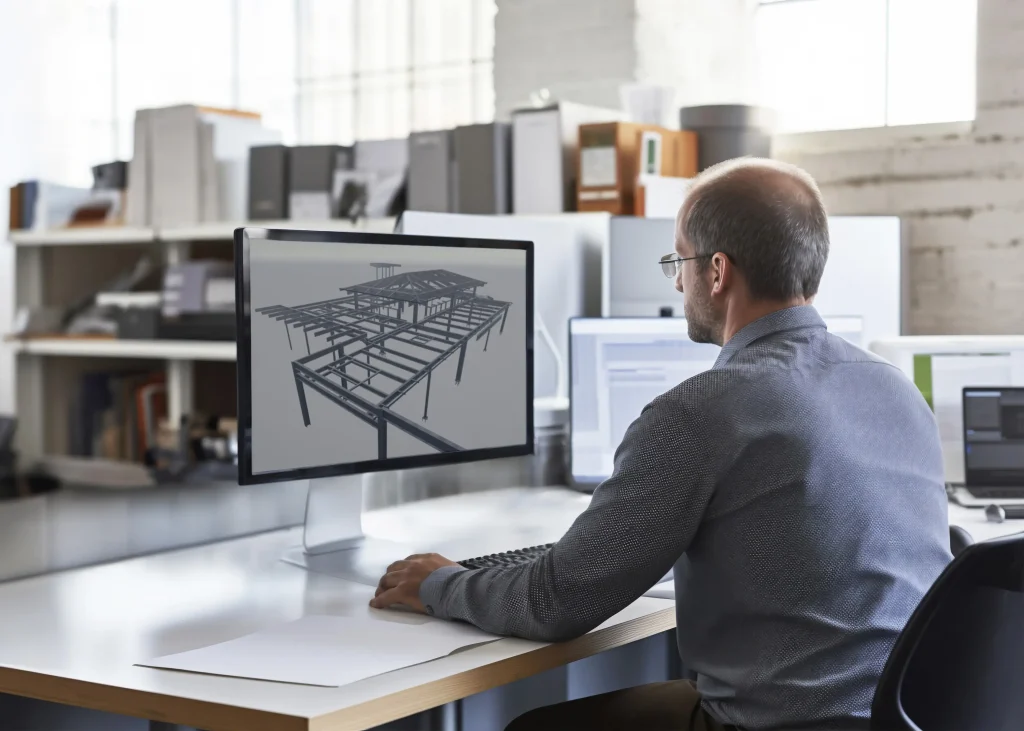
Use platforms like Tekla Structures for intelligent, parametric models. These capture every detail—members, connections, embeds—while enabling real-time clash detection and automatic updates.
Prioritize Clash-Free Coordination
Run continuous checks against architectural, MEP, and site references. Resolve interferences digitally to prevent costly field fixes, especially valuable when crews work in remote or constrained sites.
Focus on CNC Integration
Generate files that feed directly into beam lines, plate processors, and robotic systems. This eliminates manual entry errors and speeds production—critical for fabricators handling varied job sizes.
Implement Multi-Layer Quality Assurance
Combine automated verification with manual reviews, independent second-checks, and senior approvals. This layered approach consistently reduces errors by up to 25 percent.
Optimize Connection Design
Balance strength, constructability, and cost. Use standard details where possible, but customize for site-specific needs like seismic or wind loads common in Texas.
Ensure Rapid RFI Resolution
Respond to questions within 24–48 hours. Clear communication prevents stalls, keeping shop flow steady.
Tailor to Regional Needs
For Pittsburg-area fabricators, emphasize versatile packages that include structural and miscellaneous steel. Account for local transport logistics and quick-turn needs for smaller, urgent jobs.
Our Approach at T&J Steel Detailers
We deliver comprehensive services: structural steel, miscellaneous items, joists, decks, and connections—all from one coordinated model. Our 99 percent on-time record stems from disciplined processes and a commitment to fabricator success, whether in Pittsburg, Houston, Dallas, or nationwide.
Frequently Asked Questions
How does precise steel detailing help fabricators in smaller markets like Pittsburg, Texas compete on larger projects? It provides accurate take-offs for competitive bidding, clash-free models that reduce risk, and CNC-ready files that streamline production—allowing local shops to deliver quality matching bigger players without excess overhead.
What should fabricators look for in a detailing partner to handle regional Texas projects? Seek teams experienced with Tekla, capable of fast RFI responses, direct CNC integration, and full-spectrum services (structural through miscellaneous). This ensures seamless fit with local workflows and transport realities.
Can good detailing practices really cut costs for fabricators facing tight margins? Yes. By minimizing material waste, shop errors, rework, and field modifications, precise detailing protects budgets and improves profitability—even on modest regional jobs.
Conclusion
Steel fabrication in Pittsburg, Texas and across the state succeeds through reliability, efficiency, and precision. Regional fabricators benefit from strong local industry ties, strategic location, and access to growing opportunities in manufacturing, agriculture, and infrastructure.