Skip to content
We understand the complexities US steel fabricators face every day. When managing large construction projects, you must coordinate multiple detailing disciplines that directly impact your shop’s efficiency, costs, and delivery timelines. Two of the most critical yet fundamentally different processes are rebar detailing and structural steel detailing. While both fall under the broad umbrella of detailing, they serve distinct purposes, follow different workflows, and require specialized expertise.
In this comprehensive guide, we break down the key differences between rebar detailing and structural steel detailing, explain why understanding these distinctions matters for your fabrication business, and show how mastering both can give you a significant competitive advantage in the United States construction market. Whether you are bidding on new projects or looking to streamline your current operations, knowing these differences helps you avoid costly mistakes and deliver projects more profitably.
What Is Structural Steel Detailing?
Structural steel detailing is the process of creating precise shop drawings, erection drawings, and 3D models for the primary steel framework of a building or structure. We transform engineering designs into fabrication-ready instructions for beams, columns, girders, braces, trusses, and connections.
This discipline focuses heavily on steel-to-steel connections, bolt patterns, weld details, coping, notching, and exact member lengths. The goal is to ensure every piece of structural steel fits perfectly during erection, minimizing field adjustments and supporting fast, safe installation.
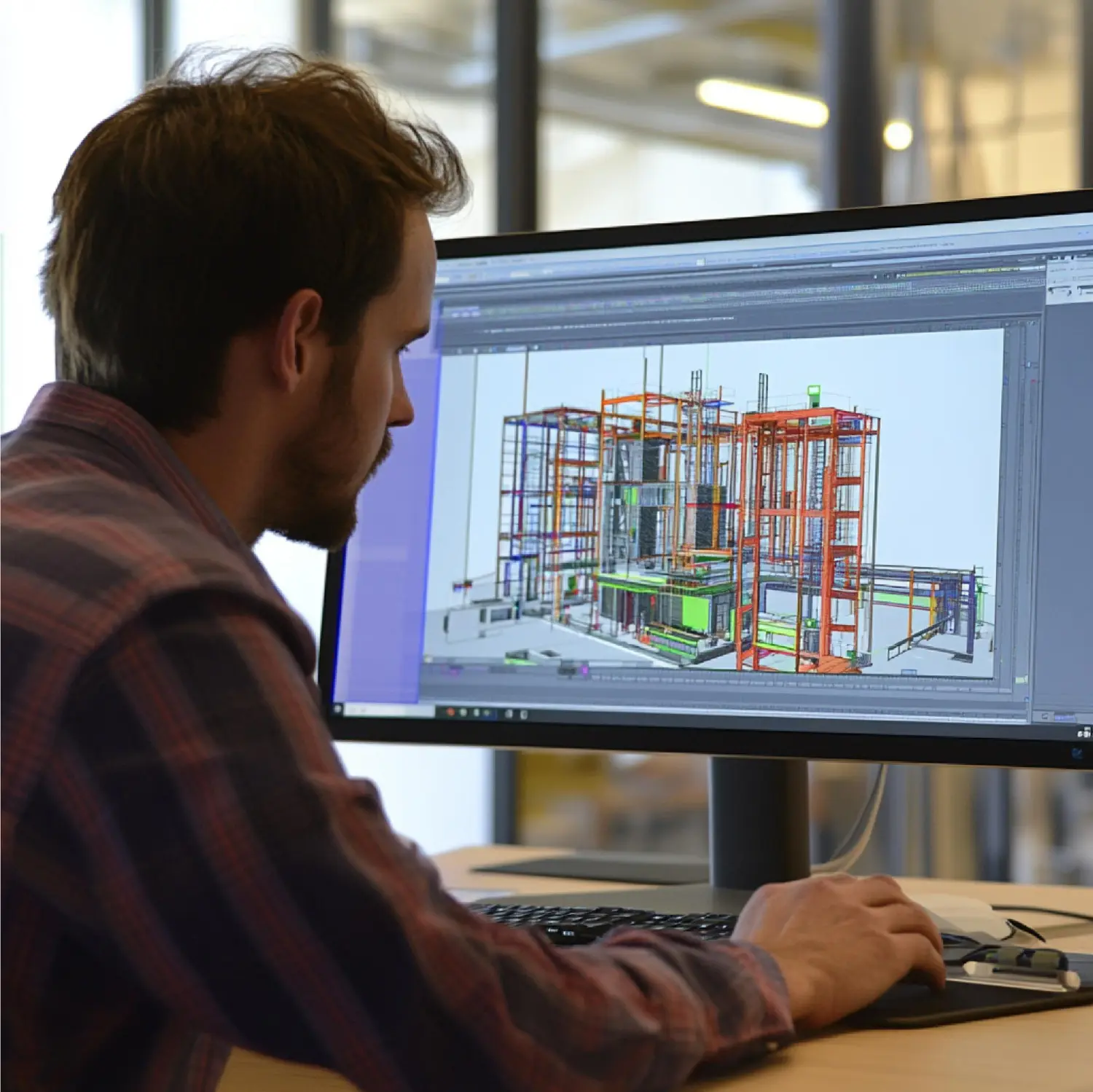
Modern structural steel detailing relies on powerful 3D modeling software such as Tekla Structures, SDS/2, or Autodesk Advance Steel. These tools allow us to create intelligent digital models that automatically generate drawings, detect clashes, and interface directly with CNC machines in your shop. Accuracy here directly affects your material usage, labor hours, and overall project schedule.

What Is Rebar Detailing?
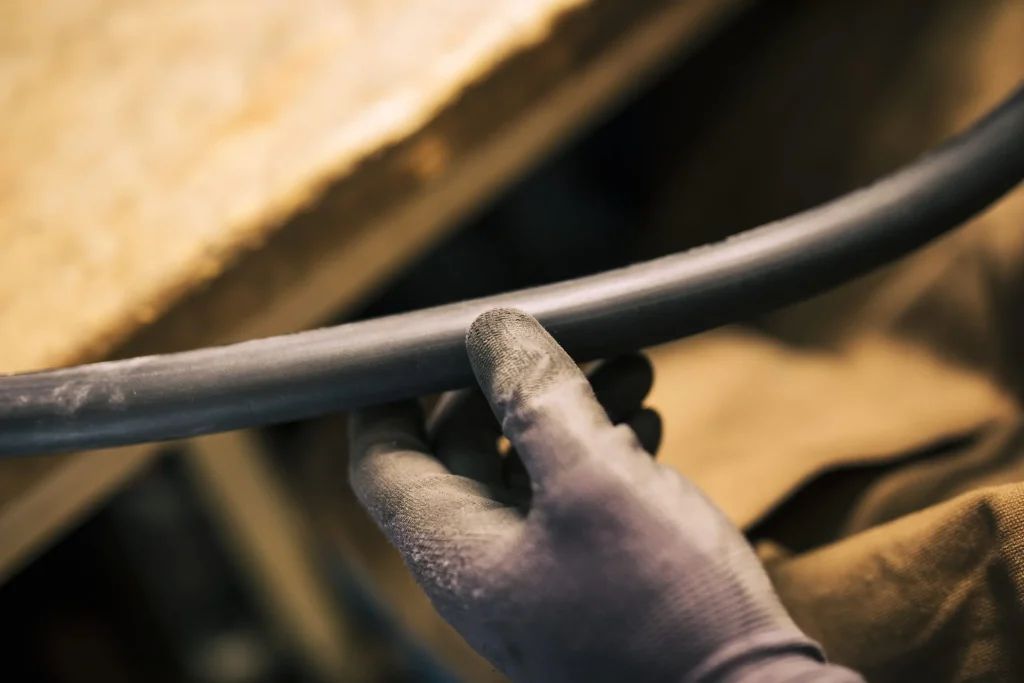
Rebar detailing, on the other hand, concentrates on the detailed documentation and scheduling of reinforcing steel (rebar) that strengthens concrete structures. We produce placing drawings, bar bending schedules, and detailed lists that tell contractors exactly where to place each piece of rebar inside concrete elements such as foundations, columns, beams, slabs, walls, and shear walls.
Unlike structural steel, rebar detailing must account for concrete cover requirements, lap splices, development lengths, hook configurations, and proper placement to resist tension, compression, and shear forces. Every bar has a unique mark, size, shape, and quantity that must be clearly communicated to avoid errors during concrete placement.
Rebar detailers work closely with structural engineers to ensure the reinforcement design meets ACI (American Concrete Institute) standards, IBC requirements, and project-specific seismic or load conditions. The output includes bar lists, bending diagrams, and placing drawings that guide ironworkers and concrete crews on site.

Key Differences Between Rebar Detailing and Structural Steel Detailing
We believe that recognizing the fundamental differences between these two disciplines is essential for fabricators who want to optimize their workflows and reduce risk.
Material and Fabrication Approach Structural steel detailing deals with large fabricated assemblies that are cut, drilled, welded, and bolted in the shop before delivery. Rebar detailing involves individual bars that are cut and bent according to precise schedules, then shipped to the site for placement inside formwork. The tolerances, handling, and sequencing are entirely different.
Drawing Types and Deliverables Structural steel detailing produces shop drawings, assembly drawings, erection drawings, and detailed connection schedules. Rebar detailing generates placing drawings, bar bending schedules (cut lists), and reinforcement quantity take-offs. The language, symbols, and level of information vary significantly between the two.
Software and Technology While there is some overlap, the leading tools differ. Structural steel often uses Tekla Structures or SDS/2, whereas rebar detailing commonly relies on specialized software such as aSa Rebar, RebarCAD, or Tekla with specific rebar extensions. Each platform is optimized for its respective trade.
Coordination Requirements Structural steel detailing requires close coordination with architectural, MEP, and miscellaneous steel elements. Rebar detailing demands tight coordination with concrete formwork, embeds, blockouts, and penetrations. Misalignment between rebar and embed plates, for example, can cause serious field problems that are expensive to correct.
Code and Standards Compliance Structural steel detailing primarily follows AISC specifications. Rebar detailing adheres to ACI 318, CRSI guidelines, and specific seismic detailing requirements. Understanding these distinct standards is critical for compliance and avoiding liability.
Impact on Fabrication For structural steel fabricators, accurate detailing directly controls CNC programming, fit-up in the shop, and erection speed. For rebar, detailing accuracy influences material purchasing, bending machine setup, and on-site placement efficiency. Both are important, but the pain points they solve are different.

Why US Fabricators Must Understand Both Disciplines
In today’s integrated construction environment, many fabricators and contractors handle both structural steel and reinforced concrete packages. We see increasing demand for companies that can manage the interface between steel and concrete effectively.
When rebar detailing and structural steel detailing are poorly coordinated, problems multiply quickly. Embed plates may not align with rebar layouts, anchor bolts may conflict with reinforcement, or concrete pour sequences may clash with steel erection plans. These issues lead to delays, change orders, and strained relationships with general contractors.
By developing a clear understanding of both processes, you position your company to:
- Improve bid accuracy and reduce contingency costs
- Enhance project coordination and reduce RFIs
- Deliver higher-quality work with fewer field corrections
- Build stronger partnerships with concrete subcontractors and GCs
- Increase your capacity to take on design-build or hybrid projects
We have helped many US fabricators streamline their operations by implementing integrated detailing strategies that respect the unique requirements of each trade while ensuring seamless coordination at the interfaces.

Best Practices for Managing Rebar and Structural Steel Detailing
We recommend treating both detailing disciplines with equal importance while respecting their differences. Start by engaging experienced detailers early in the project. Early involvement allows potential conflicts to be identified and resolved during the design phase rather than in the field.
Implement robust quality control processes for both rebar and structural packages. Multiple layers of checking, version control, and clear approval workflows prevent errors from reaching the shop or job site.
Leverage BIM technology to create a unified project model that includes both structural steel and rebar. This approach improves visualization and clash detection across disciplines.
Maintain open communication channels between your structural steel team, rebar detailers, engineers, and field supervisors. Proactive coordination saves time and money throughout the project lifecycle.
For fabricators looking to scale, partnering with a professional detailing firm that offers both structural steel and rebar detailing services under one roof can simplify management and improve consistency.

Challenges and How to Overcome Them
One of the biggest challenges we observe is the assumption that detailing is detailing. Treating rebar and structural steel as interchangeable services often leads to missed deadlines and quality issues.
Another common problem is poor interface coordination between steel and concrete elements. We address this by conducting dedicated coordination reviews focused specifically on embed placements, anchor rods, and rebar clearances.
Labor shortages in both disciplines make skilled resources more valuable than ever. Investing in clear, accurate detailing packages reduces the skill level required for successful fabrication and installation, helping you maintain productivity even with newer team members.
Frequently Asked Questions

What is the main difference between rebar detailing and structural steel detailing? Rebar detailing focuses on reinforcing steel for concrete structures and produces bar bending schedules and placing drawings, while structural steel detailing creates shop and erection drawings for fabricated steel beams, columns, and connections. The materials, standards, and workflows are fundamentally different.
Why should US fabricators care about both types of detailing? Many projects combine structural steel and reinforced concrete. Understanding both ensures better coordination, fewer conflicts at interfaces, reduced RFIs, and smoother project delivery, which ultimately protects your margins and reputation.
Can the same team handle both rebar and structural steel detailing? While there is some overlap in skills, each discipline requires specific expertise, software proficiency, and knowledge of different codes. The most effective approach is working with experienced professionals who specialize in one or both areas and understand how they interact.
Conclusion

We believe that knowledge is power in the competitive world of US steel fabrication. Understanding the key differences between rebar detailing and structural steel detailing allows you to manage projects more effectively, reduce risks, control costs, and deliver exceptional results to your clients.
By treating each discipline with the respect it deserves while ensuring strong coordination between them, you build a stronger, more capable fabrication business ready for the complex hybrid projects of today and tomorrow. If you are looking to improve your detailing processes, reduce errors, and gain a competitive edge, we are here to help.