Skip to content
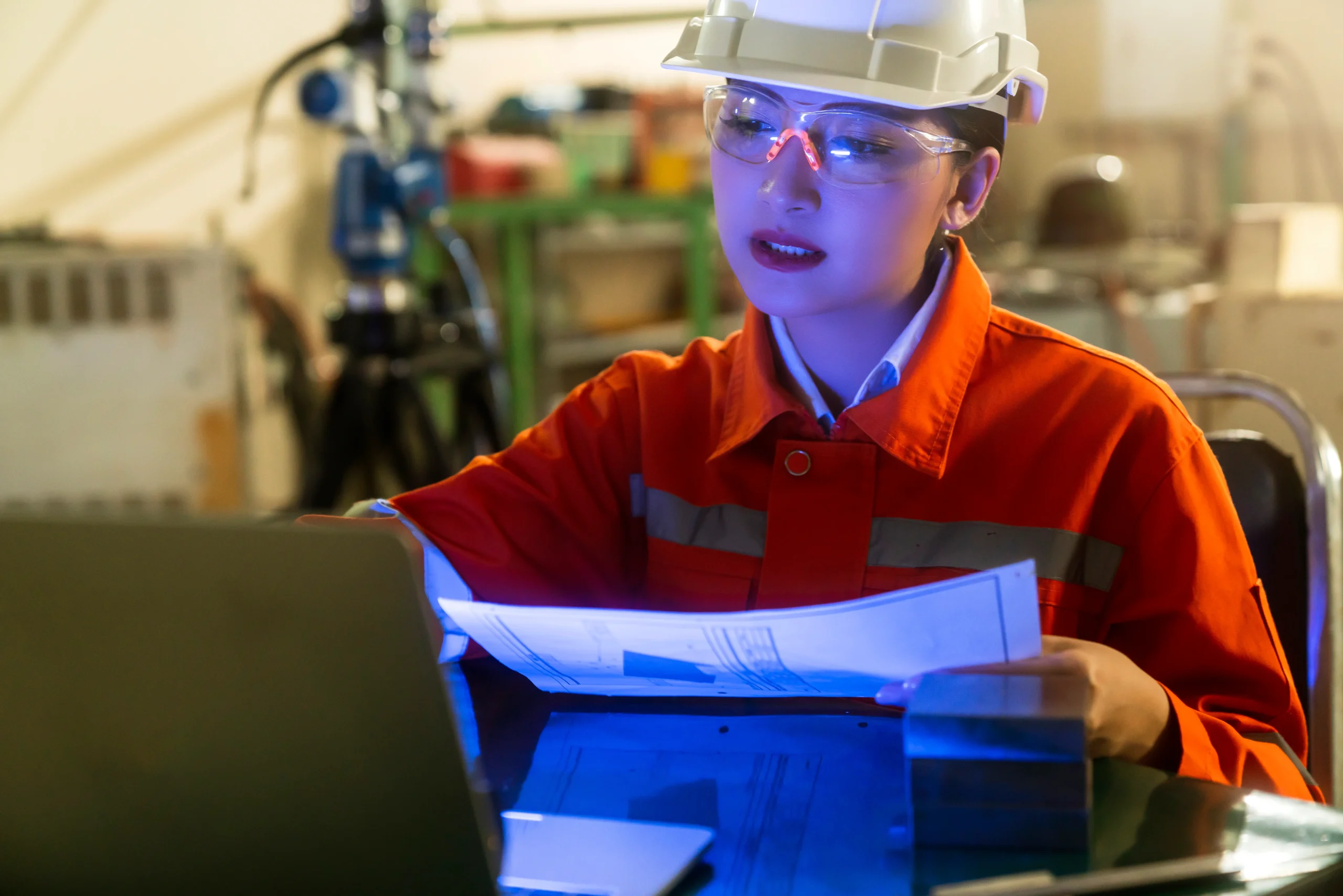
In the fast-moving steel fabrication industry of 2026, the performance of your detailing software directly determines how quickly you can turn around projects, how efficiently your team operates, and ultimately how profitable your shop remains. We have deployed both Tekla Structures and SDS/2 in real production environments across dozens of fabricators, ranging from small specialty shops to large-scale structural steel operations processing thousands of tons per month. The performance gaps between these two powerful platforms are significant and highly dependent on your specific workflow, project types, and team size.
This in-depth guide examines the real-world performance differences we have measured in actual steel shops. We will compare modeling speed, drawing production efficiency, automation impact, scalability, hardware requirements, and overall productivity gains. Our goal is to provide you with clear, data-driven insights so you can choose the platform that will deliver the strongest performance for your operation.
Modeling Speed and Daily Productivity in Steel Shops
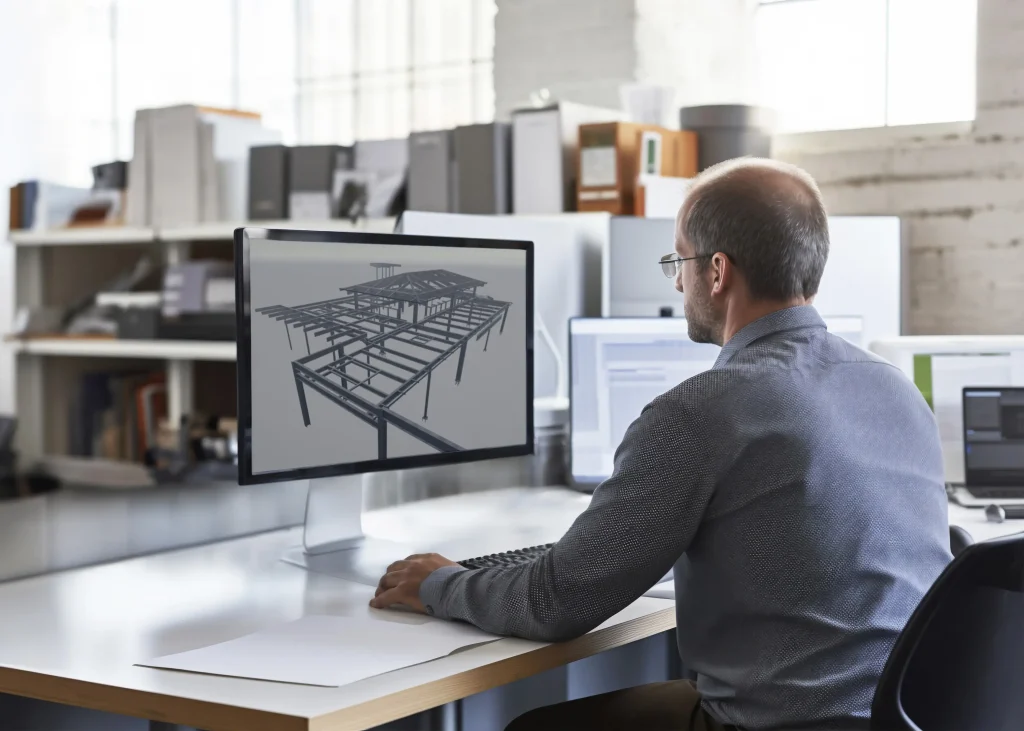
One of the most noticeable performance differences appears in day-to-day modeling speed. SDS/2 consistently outperforms in standardized, high-volume structural steel work. Its intelligent rule-based system and automated connection design allow experienced detailers to model members and apply connections significantly faster than in most other platforms. In our benchmarks with mid-sized fabricators, teams using SDS/2 regularly achieve 1,200 to 1,800 tons per detailer per month on typical commercial and industrial projects.
Tekla Structures takes a more deliberate, flexible approach. While initial modeling of complex assemblies can feel slower, the 2026 version has narrowed this gap considerably with its AI Model Assistant and enhanced parametric tools. Once standards libraries are properly built, Tekla delivers excellent modeling performance, especially on projects involving curved steel, architectural features, or multi-material interfaces. We have clients who report 900 to 1,500 tons per detailer monthly after full optimization, with superior results on non-standard work.
The key performance takeaway is this: SDS/2 wins on raw speed for repetitive framing, while Tekla excels when flexibility and model intelligence matter more than pure volume.
Drawing Production Performance and Revision Efficiency
Shop drawing production is where performance differences become most visible to fabricators. SDS/2 2026 maintains a clear advantage in pure drawing speed. The redesigned Drawing Editor, combined with bulk revision chart editing and smart connection grouping, allows teams to generate clean, fabrication-ready drawing sets remarkably quickly. Many of our partner shops report producing complete drawing packages 25–40% faster with SDS/2 compared to previous workflows.
Tekla Structures has made major strides in this area with its AI Cloud Fabrication Drawings service. This human-in-the-loop AI tool suggests complete drawing layouts based on your historical project data, which detailers then review and refine. On repeat project types, Tekla users now achieve drawing production times very close to SDS/2, while maintaining better associativity. When design changes arrive late in the process, Tekla’s model-to-drawing intelligence often requires significantly less rework than rule-based systems.
In head-to-head testing we conducted with client shops, SDS/2 showed stronger performance on projects under 800 tons with standard framing, while Tekla pulled ahead on larger, more complex jobs where multiple revisions were expected.

Automation Impact on Overall Shop Performance
Automation is the biggest performance multiplier in modern detailing software, and the two platforms approach it differently. SDS/2 embeds deep automation directly into the core workflow. Its rule-based engine automatically designs and optimizes connections, applies shop standards, and checks for code compliance and buildability. This results in fewer manual decisions and more consistent performance across team members of varying experience levels.
Tekla Structures offers powerful parametric automation and macros, but it gives users more manual control. The 2026 AI enhancements have shifted this balance, with features like automated drawing suggestions and intelligent component placement reducing repetitive tasks. Tekla’s strength lies in its ability to automate intelligently while still allowing experienced detailers to override when unique situations arise.
We have measured overall labor hour reductions of 35–50% when shops fully optimize either platform. However, SDS/2 typically delivers these gains faster for teams focused on standard production, while Tekla’s automation performance shines in environments with high variability and complex coordination requirements.
Scalability and Multi-User Performance for Growing Steel Shops
As shops expand, scalability becomes a critical performance factor. Tekla Structures was built from the ground up for large, multi-user environments. Its server-based model sharing and 2026 Project Settings Management Console allow dozens of detailers to work simultaneously on massive models with excellent performance. Cloud collaboration through Trimble Connect further enhances scalability for distributed teams.
SDS/2 performs very well for mid-sized operations and has improved significantly in recent releases, but it can experience slower response times on extremely large models compared to Tekla. Many fabricators solve this by breaking large projects into manageable sub-models, which works effectively but adds a layer of coordination.
For growing shops planning to increase tonnage or team size, Tekla generally offers superior long-term scalability performance. SDS/2, however, often provides better performance-per-dollar for shops that remain in the 500–2,000 ton per month range.

Hardware Requirements and System Performance
Hardware demands represent another important performance consideration. Tekla Structures is more resource-intensive and benefits significantly from powerful workstations — especially those with high RAM (32GB+), strong GPUs, and fast SSD storage. The 2026 version is better optimized than previous releases, but it still rewards investment in quality hardware.
SDS/2 runs efficiently on more modest hardware configurations, making it easier and less expensive to equip an entire team. This performance characteristic makes SDS/2 particularly attractive for smaller shops or those with budget constraints around IT infrastructure.
In real shop environments, we have seen Tekla users achieve excellent performance on high-end machines, while SDS/2 delivers consistent, reliable speed even on mid-range systems. This difference can translate into meaningful cost savings when scaling teams.
Integration Performance with Shop Floor Systems
End-to-end performance extends beyond detailing into fabrication and erection. Tekla Structures integrates seamlessly with Trimble PowerFab, creating a powerful performance ecosystem that covers estimating, detailing, production control, and inventory management. Data flows smoothly between systems, reducing manual entry and improving overall shop visibility.
SDS/2 offers strong direct CNC output and excellent integration with many common shop machines. Its 2026 BIMPLUS enhancements have improved data sharing with other fabrication management tools. While not as comprehensive as the Trimble ecosystem, it performs exceptionally well for shops focused primarily on detailing-to-fabrication efficiency.
Real-World Performance Metrics from Steel Shops
Across the projects we have supported, here are typical performance outcomes we observe:
- Standard Structural Steel Projects: SDS/2 leads in overall speed and cost per ton.
- Complex Architectural or Industrial Projects: Tekla delivers superior performance through better coordination and fewer field issues.
- Mixed Project Portfolios: Hybrid usage (SDS/2 for production + Tekla for complex work) often yields the highest overall shop performance.
- Team Productivity: SDS/2 usually allows faster ramp-up for new hires, while Tekla rewards long-term skill development with greater capabilities.
Choosing the Right Platform for Your Shop’s Performance Goals
After analyzing performance data from many steel shops, we recommend the following:
Choose SDS/2 if your shop focuses on high-volume, standardized structural steel and needs maximum speed and efficiency with reasonable hardware investment.
Choose Tekla Structures if you handle diverse or complex projects, require strong BIM collaboration, and want superior scalability as your business grows.
Many of the most successful fabricators we work with use both platforms strategically, assigning work according to each software’s performance strengths.
Frequently Asked Questions
Which software offers better overall performance for a typical mid-sized steel fabricator in 2026? For most mid-sized shops handling standard to moderately complex work, SDS/2 delivers stronger day-to-day performance and faster ROI. However, Tekla Structures often outperforms on larger or more varied project mixes due to its flexibility and advanced collaboration features. We recommend running a pilot project on both to measure actual results in your environment.
How much performance improvement can we realistically expect when switching software? Well-implemented transitions typically deliver 25–45% productivity gains. Shops moving to SDS/2 from older systems often see the fastest initial improvements, while Tekla users frequently report larger long-term gains as they master its full capabilities. The biggest performance driver is always proper standards development and training rather than the software alone.
Does hardware performance significantly affect the user experience in these platforms? Yes. Tekla Structures is more sensitive to hardware quality, where investing in powerful workstations yields noticeable performance improvements. SDS/2 performs well across a wider range of systems, making it easier to deploy consistently across larger teams. We help clients specify optimal hardware configurations for either platform.
Conclusion

The performance differences between Tekla Structures and SDS/2 are real and meaningful, but neither platform is universally superior. Each excels in different areas — SDS/2 in raw production speed and automation consistency, Tekla in flexibility, scalability, and complex project handling. In 2026, both have reached impressive levels of maturity, with AI enhancements and workflow improvements that benefit steel shops willing to optimize their processes.
We have helped numerous fabricators measure, compare, and implement these platforms successfully, resulting in faster project delivery, reduced labor costs, and stronger competitive positioning. The key to maximum performance lies in selecting the right primary tool for your dominant work type and implementing it thoroughly with proper standards and training.
If your steel shop is evaluating detailing software options or considering a switch to improve performance, we invite you to contact us. Our experienced team provides independent performance assessments, pilot project guidance, hardware recommendations, and full implementation support tailored to your specific operation.