Skip to content
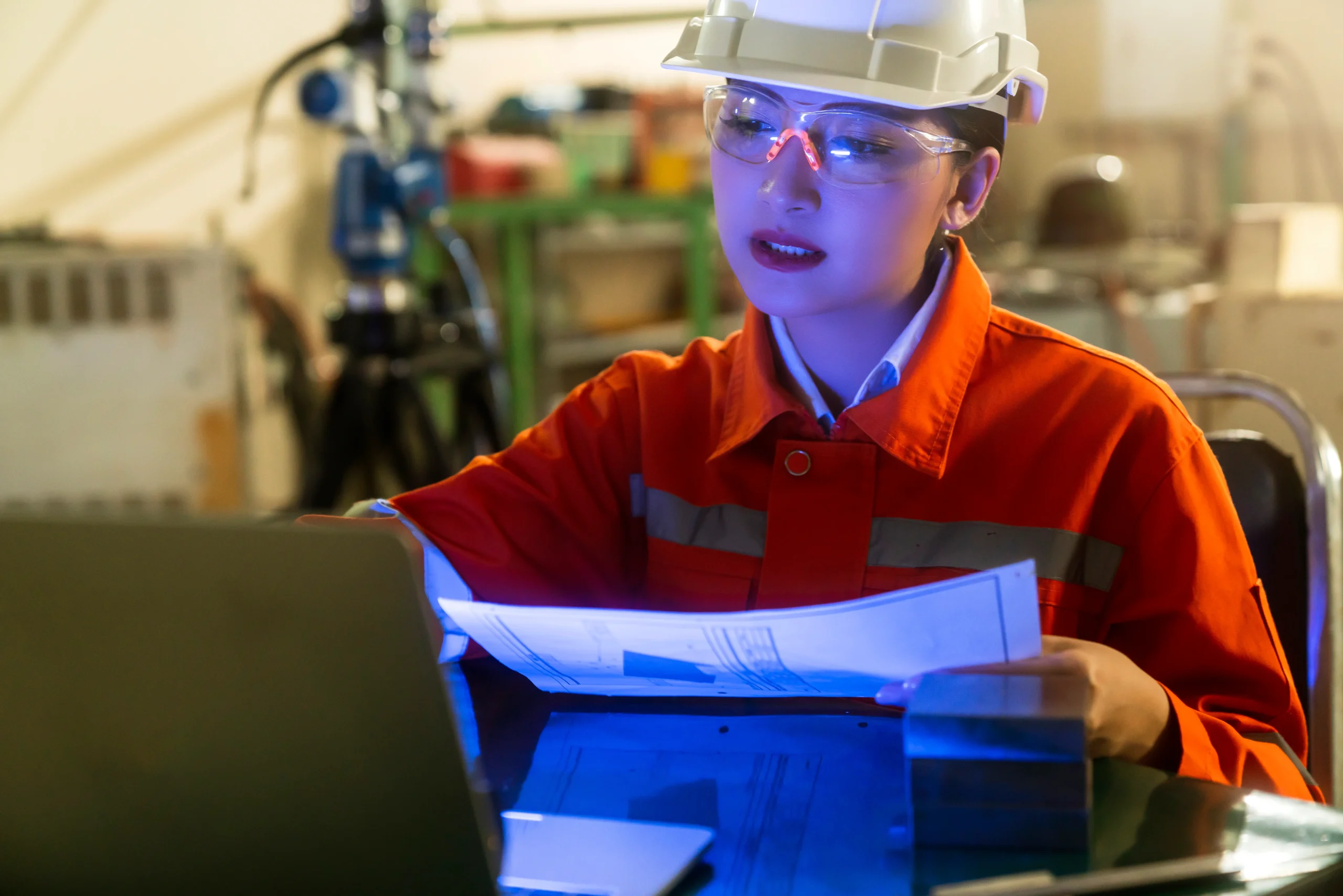
Birmingham built its identity on steel — and that history is exactly why so many local fabricators are still running detailing operations sized for a different era of the industry. Bid volume has gone up, project timelines have compressed, and general contractors now expect BIM-coordinated models as a baseline, not a bonus. When your in-house detailing team can’t keep pace with that shift, the fix isn’t necessarily more headcount. It’s the right outsourced partner running Tekla Structures the way modern fabrication actually demands.

Why Birmingham Fabricators Are Turning to Outsourced Tekla Detailing
Birmingham fabricators increasingly outsource Tekla detailing because in-house teams built around 2D CAD workflows can’t match the turnaround or coordination accuracy that general contractors and engineers of record now expect on structural steel bids. We’ve built our detailing operation specifically to close that gap for shops that don’t want to carry a full-time BIM department just to stay competitive.
A Steel Manufacturing Legacy Meeting Modern BIM Demands
Birmingham earned its nickname as “the Pittsburgh of the South” on the strength of iron and steel production, and that manufacturing base still shapes the fabrication landscape across Jefferson County and the broader Alabama market today. The shops that came out of that legacy know steel — what many of them haven’t had the bandwidth to build is a modern BIM detailing pipeline that matches the speed of current bidding cycles. We bring that piece without asking you to restructure your shop around it.
The Capacity Problem Most Birmingham Shops Won’t Say Out Loud
Talk to enough fabrication estimators in the Birmingham metro and you’ll hear the same thing: the jobs they’re not bidding aren’t the ones they can’t build — they’re the ones their detailing team doesn’t have hours for. That’s a lost-revenue problem disguised as a staffing problem, and it compounds every quarter you don’t address it.

What Outsourcing Tekla Detailing Actually Gets You
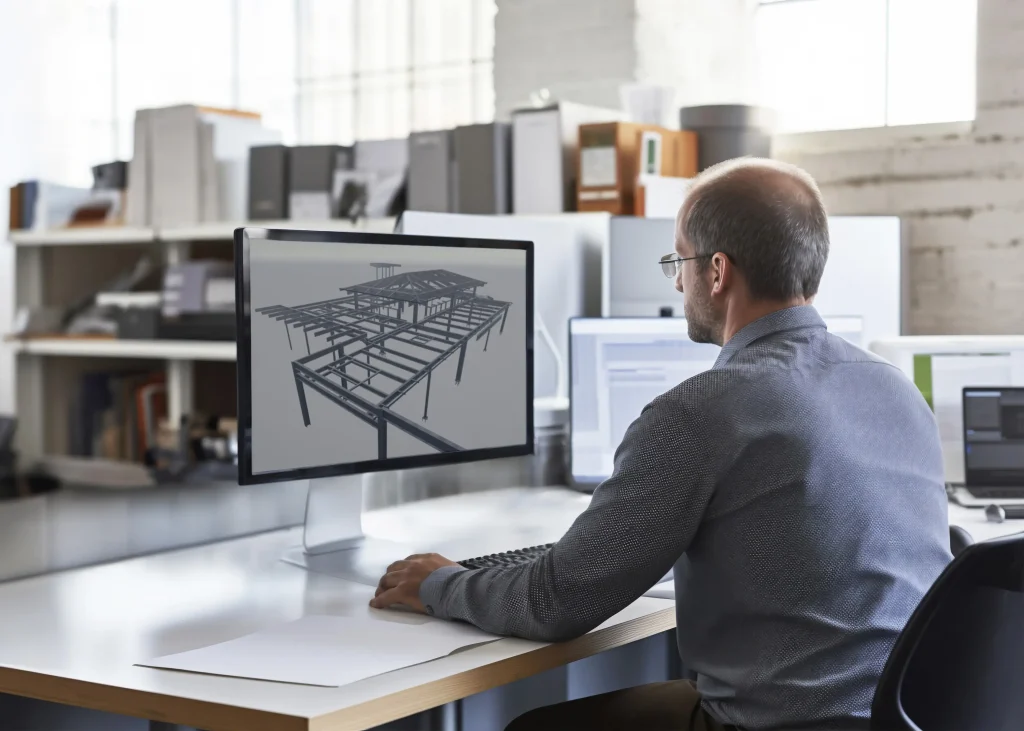
When you outsource to a dedicated Tekla detailing team, you get a single coordinated 3D model that generates shop drawings, erection drawings, and CNC files from one dataset — eliminating the redrafting errors that come from disconnected 2D CAD production. We break down exactly how that model-to-fabrication process works here, including how Tekla handles material takeoffs and file generation for CNC equipment.
A Fully Coordinated Model Before a Drawing Ever Prints
Clash detection happens inside the model, not after drawings hit your shop floor. That means beam penetrations, connection conflicts, and bearing issues get caught during modeling — before a fitter finds them mid-fabrication. For fabricators who’ve dealt with the cost of a missed clash on a live job, this alone justifies the shift to a Tekla-native workflow.
Connection Design That Holds Up Under AISC Review
Connections aren’t an afterthought in our process — they’re modeled concurrently with the primary steel geometry, checked against AISC 360 capacity requirements and the project’s governing seismic design category for Alabama’s Zone. Our connection design work is engineered to the specific load path of your structure, not pulled from a generic library and stamped after the fact.
Full-Scope Detailing Support for Alabama Fabricators
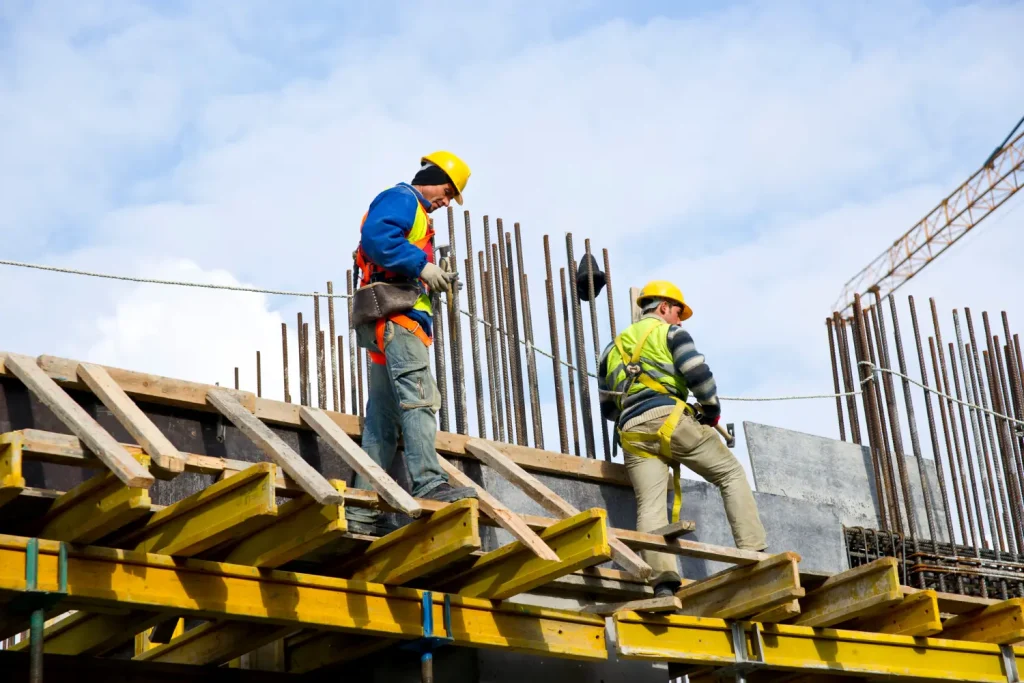
We support the complete detailing scope Birmingham fabricators need on a single project — structural steel, miscellaneous steel, and joist and deck systems — all inside one federated Tekla model so nothing gets lost in the handoff between trades.
One Model, Every Trade — Structural, Miscellaneous, Joist & Deck
Coordination failures usually happen at the seams between scopes: the stair detailer working off one file, the deck detailer working off another, the primary steel model sitting somewhere else entirely. We keep miscellaneous steel detailing — stairs, railings, embed plates, ladders — in the same model as the primary frame, and we run steel joist and deck detailing through that same coordinated file so bearing and attachment points are verified before drawings go out. If your team is newer to what this scope covers end-to-end, our overview of what structural steel detailing involves is a solid starting reference before you scope a project with us.
The Business Case for Outsourcing Instead of Hiring In-House
Outsourcing Tekla detailing typically costs less than carrying a full-time in-house BIM detailer once you account for software licensing, training time, and the overhead of managing a specialized role your shop only needs at variable volume. For fabricators bidding project-to-project rather than running a constant, predictable detailing workload, that variable-cost structure is the difference between profitable growth and a fixed expense that sits idle between jobs.
Bid More Jobs Without Adding Headcount
The math is straightforward: when detailing production scales with your project pipeline instead of your payroll, you can chase more bids without the lead time or risk of hiring. That flexibility matters most in a market like Birmingham’s, where fabricators compete against shops across the broader Southeast for the same regional contracts.
| Factor | In-House Detailing Team | Outsourced Tekla Detailing (Our Model) |
|---|---|---|
| Cost Structure | Fixed salary + software licensing | Scales with project volume |
| Bid Capacity | Capped by drafting staff hours | Expands without new hires |
| Connection Design Accuracy | Dependent on individual staff experience | Engineered per AISC 360 on every project |
| Trade Coordination | Often across separate files | Single federated Tekla model |
| Ramp-Up Time for New Hires | Weeks to months | Immediate — team is already trained |
Frequently Asked Questions

Is outsourced Tekla detailing more expensive than keeping detailing in-house?
Generally not once you factor in software licensing, training, and the overhead of a role your shop may only need at variable volume. Outsourcing shifts detailing to a cost that scales with your actual project pipeline instead of sitting on payroll year-round.
Can you handle miscellaneous and joist/deck detailing alongside primary structural steel?
Yes. All three scopes are modeled within the same coordinated Tekla file, which keeps bearing conditions, embed locations, and connection details consistent across every trade on a project.
How does outsourcing affect our bid capacity as a fabricator?
Because detailing production scales with your workload instead of being capped by in-house staff hours, you can pursue more bids without the lead time and risk that comes with hiring additional drafting staff.
Conclusion

Birmingham’s fabrication shops don’t need to abandon what built the region’s steel reputation — they need a detailing pipeline that matches the pace their bidding environment now demands. That’s the gap we fill: a fully coordinated Tekla model, AISC-checked connection design, and full-scope support across structural, miscellaneous, and joist and deck detailing, without asking your shop to carry the fixed cost of an in-house BIM department. If capacity is the reason you’re passing on bids, let’s talk about how our detailing workflow fits into your next project.