Skip to content

In the precision-driven world of structural steel fabrication, fabrication drawings are the backbone of successful project execution. When these drawings are expertly crafted, they enable seamless CNC production, minimize costly errors, and keep your shop running at peak efficiency. We understand the daily pressures faced by US fabricators in 2026—tight schedules, skilled labor shortages, fluctuating material costs, and the constant demand for faster delivery without compromising quality.
Poorly prepared fabrication drawings create bottlenecks that lead to mis-drilled holes, incorrect member lengths, connection mismatches, and excessive rework. On the other hand, well-mastered fabrication drawings transform your CNC machines into highly productive assets by providing clear, accurate, and machine-ready instructions.
We have partnered with many American steel fabrication shops to refine their detailing processes and achieve smoother CNC workflows. In this in-depth guide, we share the smart strategies, essential techniques, and practical steps needed to master fabrication drawings that deliver truly seamless CNC production. Our focus is on delivering actionable insights that help you reduce errors, accelerate throughput, and strengthen your bottom line. Whether you manage detailing internally or work with specialized partners, these principles will help you elevate your fabrication process to a new level of reliability and efficiency.

Why High-Quality Fabrication Drawings Are Essential for CNC Success
Fabrication drawings translate engineering designs into detailed instructions for cutting, drilling, welding, and assembling steel components. For CNC equipment—beam lines, plate processors, angle masters, and robotic systems—these drawings must deliver precise data in formats the machines can process without manual reinterpretation.
When fabrication drawings lack clarity or accuracy, operators spend valuable time deciphering ambiguities, leading to inconsistencies and mistakes. A single error in hole placement or weld detailing can cascade into expensive material waste, production delays, and field fit-up problems. In today’s competitive environment, general contractors expect steel that arrives ready for erection with minimal adjustments.
Mastering fabrication drawings ensures consistency between the digital model, the printed or digital shop drawings, and the actual CNC output. This alignment reduces RFIs, shortens production cycles, and allows your team to focus on value-added tasks rather than corrections. We consistently see fabricators who invest in superior fabrication drawings achieve lower scrap rates, higher machine utilization, and improved overall project margins.
Core Elements of Effective Fabrication Drawings for CNC Production
Creating fabrication drawings that support seamless CNC production begins with a strong emphasis on intelligent 3D modeling. Platforms such as Tekla Structures and SDS/2 allow detailers to build parametric models that automatically generate consistent drawings and CNC export files. This single-source approach eliminates many of the discrepancies common in traditional 2D-only workflows.
Key components that must be included in every set of fabrication drawings are:
- Precise geometry and dimensions with clearly stated tolerances
- Accurate hole patterns, edge distances, and spacing compliant with AISC standards
- Detailed connection information, including bolt grades, weld symbols, and sizes
- Complete bill of materials (BOM) that matches the model exactly
- Clear part marking, sequencing, and assembly instructions
- Fabrication-specific notes addressing surface preparation, painting, or galvanizing requirements
Attention to these details ensures your CNC machines receive reliable instructions while shop personnel have the visual references they need for quality control and assembly.
The Role of Design for Manufacturability (DFM) in Fabrication Drawings
A smart approach incorporates Design for Manufacturability principles from the earliest stages of detailing. Consider how each connection will be cut, drilled, and welded on your specific equipment. Small optimizations—such as adjusting cope depths, standardizing hole patterns, or simplifying weld access—can significantly improve production speed and reduce the risk of errors.
We recommend involving your CNC operators and fabrication leads during the review phase. Their practical insights help create drawings that are not only technically correct but also highly producible on the shop floor.
Leveraging Automation and BIM for Greater Accuracy
In 2026, automation features within modern detailing software play a crucial role. Parametric connections, automated drawing generation, clash detection, and direct CNC file exports (DSTV, DXF, NC) create a seamless digital thread from model to machine. BIM integration further enhances coordination, allowing early clash resolution and data-rich models that support 4D scheduling and material tracking.
Fabricators who master these tools produce fabrication drawings that require fewer manual adjustments and deliver higher first-pass success rates on CNC equipment.

Best Practices for Developing and Reviewing Fabrication Drawings
We advocate a disciplined, multi-step process for mastering fabrication drawings. Start with a thorough review of contract documents and engineer-of-record drawings to fully understand design intent. Build the 3D model using standardized connection libraries and company-specific templates to ensure consistency across projects.
Implement a robust quality assurance protocol. Use a two-tier review system: the primary detailer conducts an initial self-check, followed by an independent reviewer who verifies critical elements such as dimensions, connections, tolerances, and BOM accuracy. Take advantage of built-in software validation tools that automatically flag common issues like insufficient edge distances or tolerance violations.
Maintain strict revision control through centralized cloud-based document management. Clearly communicate any changes and ensure the shop always works from the latest approved version. This discipline prevents one of the most frequent causes of fabrication errors—working from outdated drawings.
Integrating Feedback Loops Between Detailing and Production Teams
Close collaboration between the detailing department and the shop floor is essential for continuous improvement. Encourage fabricators to report unclear details or practical challenges they encounter during production. Capture this feedback systematically and use it to refine drawing standards and templates over time.
For shops that outsource part or all of their detailing, establish clear communication channels and milestone review points. Dedicated project coordinators and real-time collaboration platforms help maintain alignment and catch potential issues early.
Testing CNC Outputs and Performing Dry Runs
Before releasing fabrication drawings for full production, always generate sample CNC files and run them through simulation software or perform test cuts on scrap material. This step identifies any translation issues between the detailing platform and your CNC controllers. In 2026, advanced systems offer enhanced simulation capabilities that visualize tool paths and potential collisions, helping you catch problems before valuable steel is committed.
Advanced Strategies to Achieve Seamless CNC Production
To truly master fabrication drawings, consider adopting advanced strategies that align detailing more closely with your production capabilities. Develop company-specific drawing templates tailored to your CNC equipment and common project types. Standardize annotation styles, layer management, and part naming conventions to reduce confusion and speed up both detailing and fabrication.
Explore hybrid detailing models where standard framing is handled with high levels of automation while complex or architecturally exposed structural steel (AESS) receives additional manual oversight. This balanced approach maintains quality control where it matters most while leveraging external capacity for routine work.
Sustainability considerations are also gaining prominence. Accurate fabrication drawings support optimized material usage, precise length calculations, and better nesting for plate cutting—contributing to reduced waste and improved documentation for green building requirements.

Overcoming Common Challenges in Fabrication Drawing Mastery
Many fabricators face obstacles when striving for better fabrication drawings. Limited in-house detailing capacity often leads to rushed work and increased errors. Outdated software can limit automation potential and compatibility with modern BIM demands from owners and general contractors. Internal resistance to new processes or standards can slow adoption.
We suggest starting small with a pilot project to test improved drawing standards on a manageable scope. Measure key metrics such as rework percentage, production cycle time, and material utilization before and after implementation. Use the results to demonstrate value and build buy-in across your team. Comprehensive training and clear documentation further support successful adoption of new practices.
Measuring Success and Continuous Improvement
Track meaningful KPIs to quantify the impact of your improved fabrication drawings. Monitor first-pass yield on CNC equipment, overall rework rates, average production time per ton, and the number of shop-floor clarifications required per project. Shops that master this area often report 30 to 50 percent reductions in rework and noticeable improvements in machine utilization.
Treat fabrication drawing development as an ongoing process of refinement. Regularly review performance data, incorporate team feedback, and stay current with software updates and industry best practices. The fabricators who commit to continuous improvement in this area consistently outperform their competitors in both efficiency and quality.
Frequently Asked Questions
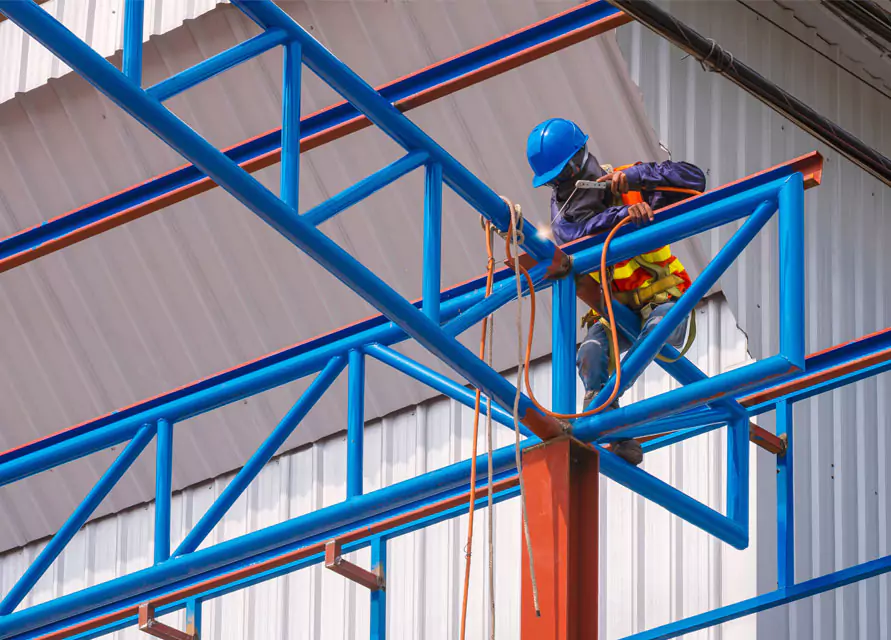
What makes fabrication drawings effective for seamless CNC production? Effective fabrication drawings originate from intelligent 3D models and include precise geometry, detailed connections, accurate tolerances, clear weld and bolt information, and machine-ready export files. They combine automated accuracy with practical annotations and views that shop teams can easily follow, ensuring minimal interpretation errors during production.
How can we reduce errors when creating fabrication drawings for CNC machines? Implement Design for Manufacturability reviews, use multi-tier quality checking with independent reviewers, leverage automated validation tools, maintain strict revision control, and test CNC outputs through simulation before full production. Close collaboration between detailing and fabrication teams further helps identify and prevent potential issues early.
Should smaller fabrication shops develop fabrication drawings in-house or consider outsourcing? Many smaller and mid-size shops benefit from a hybrid approach—retaining control over complex or proprietary connections internally while outsourcing standard framing to experienced detailing partners. This strategy provides access to advanced software, automation capabilities, and additional capacity without the full overhead of building a large in-house team. Evaluate your current workload, team expertise, and growth plans to determine the best balance for your operation.
Conclusion
Mastering fabrication drawings that deliver seamless CNC production is one of the most impactful improvements available to structural steel fabricators in 2026. By focusing on intelligent 3D modeling, Design for Manufacturability, rigorous quality control, and strong integration with your CNC equipment, you can significantly reduce errors, accelerate production cycles, and improve overall shop efficiency.
We believe every fabrication business has the potential to achieve higher levels of performance through disciplined detailing practices. Whether you strengthen your internal capabilities, form strategic partnerships with detailing experts, or implement hybrid workflows, the effort invested in superior fabrication drawings delivers clear returns through lower costs, faster delivery, and stronger client satisfaction.
Take meaningful action today: review your current drawing standards and templates, implement more robust review processes, test CNC integration more thoroughly, and explore opportunities to upgrade your tools or processes. The shops that master fabrication drawings will stand out by delivering consistent quality, meeting tight schedules, and maintaining healthy margins even in a challenging market.