Skip to content
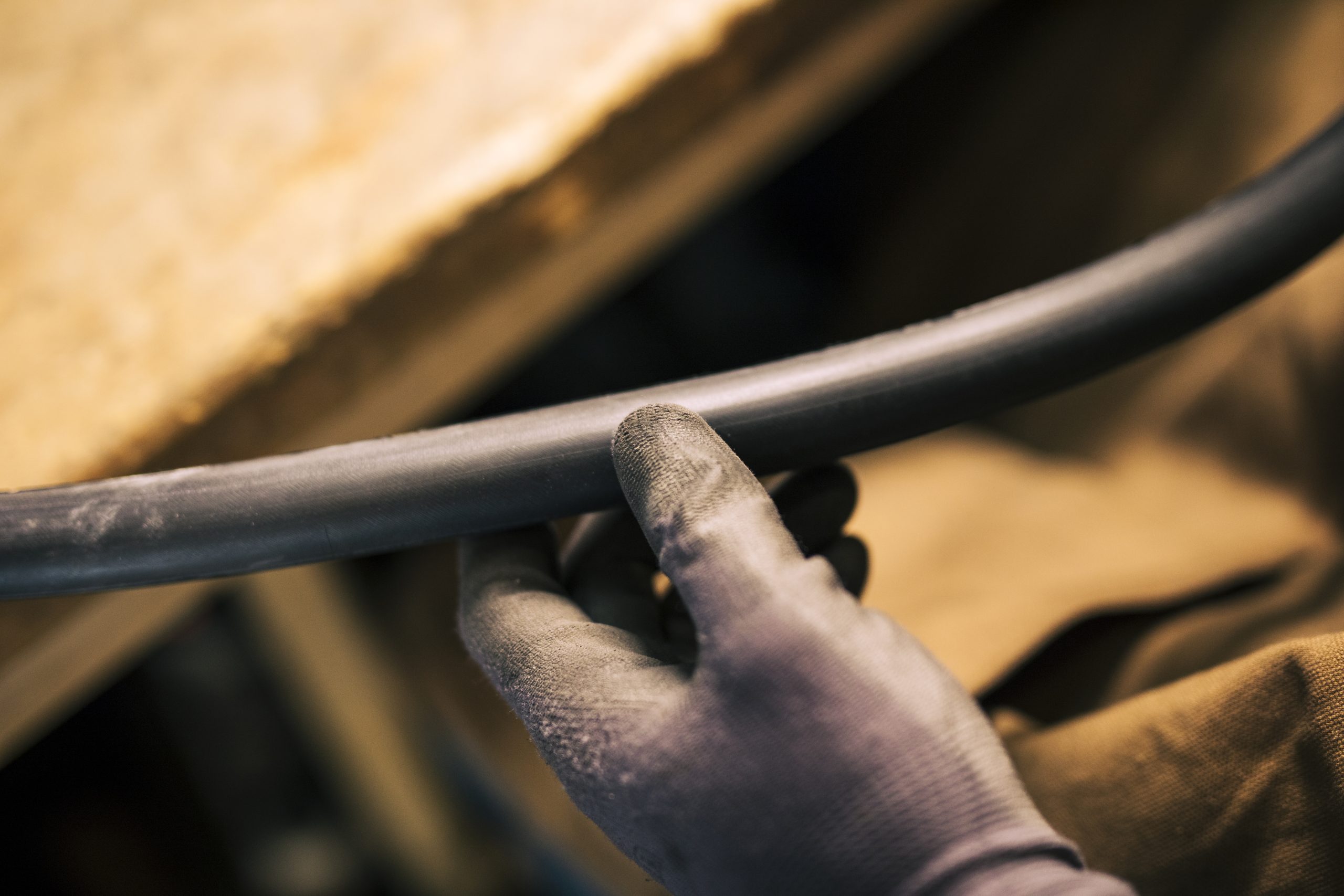
Industrial projects push structural steel detailing to its limits. Unlike a straightforward commercial frame with repetitive bays and standard connections, industrial facilities—process plants, power stations, manufacturing lines, and heavy equipment support structures—demand detailing teams that can handle irregular geometry, heavy loads, equipment-driven constraints, and tight coordination with mechanical and piping systems. Getting this wrong does not just cost time; it can compromise safety and operational function once the facility is running.
This article looks at what makes industrial steel detailing fundamentally different from standard commercial work, the specific challenges that complex structural frameworks introduce, and the practices that separate a detailing team capable of handling this complexity from one that will struggle under it.

Why Industrial Steel Detailing Demands a Different Approach
Industrial structures are rarely built around a repeating grid. They are built around process flow—the path materials, fluids, or products take through the facility—and the steel framework exists to support that process, not the other way around. This inverts the usual design logic and creates detailing challenges that simply do not appear in office buildings or standard warehouses.
Equipment-Driven Geometry
In an industrial setting, the steel structure often has to accommodate large fixed equipment: vessels, tanks, conveyors, cranes, or process units. These items dictate column spacing, elevation changes, and load paths in ways that a detailer cannot standardize. Equipment loading data must be incorporated directly into the model, and any late change to equipment specifications—a common occurrence on industrial projects—can force significant rework across multiple levels of the structure.
Heavy and Dynamic Loading Conditions
Industrial frameworks frequently carry loads that go well beyond typical gravity and wind cases. Vibration from rotating equipment, thermal expansion from process heat, crane loads, and impact loading from material handling systems all factor into how connections and members must be detailed. A detailing team unfamiliar with these conditions may produce geometrically correct drawings that still fail to account for the dynamic behavior the structure will actually experience in service.

Core Challenges in Detailing Complex Structural Frameworks
Complexity in industrial steel does not come from any single factor—it comes from the combination of irregular geometry, dense multi-trade coordination, and unforgiving tolerances.
Multi-Level and Irregular Framing
Industrial platforms often stack multiple elevated levels around process equipment, with framing that changes direction, cantilevers around obstructions, or steps up and down to match equipment elevations. Detailing this kind of structure requires constant verification that connections at each level remain buildable and that load paths trace cleanly down to the foundation. Irregular framing multiplies the number of unique connection types on a project, which in turn multiplies the number of details that must be individually checked rather than copied from a standard library.
Coordination with Piping, Mechanical, and Electrical Systems
Few disciplines interact with structural steel as intensely as piping and mechanical systems do on an industrial project. Pipe racks, cable trays, and ductwork frequently share the same structural framework or run directly through it. Detailing teams need to coordinate tightly with these other disciplines to avoid clashes that surface only after fabrication—at which point correcting them is far more expensive than catching them in the model.
Tolerance and Fit-Up Requirements
Industrial equipment often has tighter fit-up tolerances than typical commercial connections, particularly where structural steel directly supports rotating or precision equipment. Detailers must understand not just the structural connection but the equipment manufacturer’s tolerance requirements, and reflect those in the shop drawings so that field adjustment is minimized during installation.

How Experienced Detailing Teams Manage This Complexity
Handling industrial complexity well is less about any single tool and more about process discipline applied consistently across a large volume of unique conditions.
Early and Continuous Model Coordination
Rather than waiting for a “final” design package, experienced teams begin 3D coordination as early as equipment layouts are available, even in preliminary form. This allows structural, mechanical, and piping teams to resolve major conflicts before detailed engineering locks anything down. We have seen this early coordination prevent entire re-detailing cycles that would otherwise occur once equipment vendors finalize their drawings.
Connection-by-Connection Verification
Because industrial frameworks rarely allow for standardized connection libraries, detailing teams need a workflow built around connection-by-connection verification rather than batch application of standard details. Each connection is checked against its specific loading, geometry, and access constraints, with senior detailers reviewing anything that deviates from common configurations.
Close Coordination with Equipment Vendors
Equipment vendor drawings frequently arrive on a different schedule than the structural design package, and often change after initial issue. Detailing teams that succeed on industrial projects maintain direct communication channels with equipment vendors, tracking revisions and updating the structural model in step with vendor changes rather than discovering discrepancies during fabrication.

The Role of Software and Modeling Standards
Complex industrial frameworks are difficult to manage without disciplined use of modern detailing software, but the software itself is only as good as the standards governing how it is used.
Parametric Modeling for Non-Standard Geometry
Platforms like Tekla Structures and SDS/2 allow detailers to build parametric connections that can be adjusted quickly when equipment loads or elevations shift—a frequent occurrence on industrial jobs. This flexibility reduces the rework burden compared with static 2D drafting, where every change requires manually redrawing affected details from scratch.
Naming Conventions and Model Organization
On a project with hundreds or thousands of unique pieces, consistent naming conventions and model organization are not administrative housekeeping—they are what allows a detailing team to track changes, issue accurate piece marks, and avoid duplicate or conflicting revisions across a large, complex model. Projects that skip this discipline early tend to accumulate confusion that becomes very expensive to untangle later.
Quality Control Practices That Protect Complex Projects
The scale and complexity of industrial detailing make quality control less optional than on simpler projects—errors that would be minor annoyances elsewhere can become significant safety or schedule issues here.
Independent Connection Checks
Given how many unique connections a complex industrial structure typically contains, independent checking of connection design—separate from the original detailer—is essential. This second set of eyes catches errors in load path assumptions or tolerance interpretation before they reach the shop.
Clash Detection Cycles Throughout the Project
Rather than running clash detection once near project completion, teams handling complex frameworks run it repeatedly as each discipline’s model matures. This iterative approach catches conflicts while they are still cheap to fix, rather than after equipment, piping, and structural fabrication have all locked in their respective designs.

Choosing a Detailing Partner for Complex Industrial Work
Not every detailing provider is equipped to handle industrial complexity, and choosing the wrong partner on this type of project carries real risk.
Evidence of Relevant Project Experience
We recommend evaluating potential partners specifically on their experience with industrial frameworks—process plants, power facilities, or heavy manufacturing—rather than general commercial detailing volume. A provider with a strong portfolio in office buildings does not automatically transfer that competence to equipment-driven, multi-trade industrial environments.
Demonstrated Coordination Capability
Ask how the provider has historically coordinated with equipment vendors and other trades on past projects. Their answer should reveal a structured process—not an improvised one—for tracking vendor revisions and resolving multi-discipline conflicts before they reach fabrication.
Frequently Asked Questions

What makes industrial steel detailing more complex than commercial steel detailing?
Industrial structures are typically built around equipment and process flow rather than a repeating architectural grid, which produces irregular framing, heavy and dynamic loading conditions, and tight coordination requirements with piping and mechanical systems. Commercial detailing, by contrast, often benefits from repeatable connection types and more predictable geometry.
How do detailing teams manage frequent equipment specification changes during a project?
Experienced teams maintain direct, ongoing communication with equipment vendors and update the structural model incrementally as vendor information changes, rather than waiting for a single final issue. Parametric modeling tools make these updates faster to implement without redrawing entire sections of the structure.
Why is independent connection checking especially important on industrial projects?
Complex industrial frameworks often contain a high volume of unique, non-standardized connections, each shaped by specific loading and equipment constraints. Independent checking, separate from the original detailer, catches errors in load path or tolerance interpretation that could otherwise carry through to fabrication and installation.
Conclusion

Industrial steel detailing asks more of a detailing team than standard commercial work ever will. Equipment-driven geometry, dynamic loading conditions, dense multi-trade coordination, and tight fit-up tolerances combine to create a level of complexity that punishes shortcuts and rewards disciplined process. Teams that succeed on these projects build their workflows around early coordination, connection-by-connection verification, disciplined model organization, and rigorous, repeated quality checks.