Skip to content
We understand the daily pressures facing steel fabricators across the United States. Tight project deadlines, fluctuating material costs, skilled labor shortages, and the constant need for zero-defect delivery make every step in the fabrication process critical. One of the most significant advancements helping fabricators overcome these challenges is the seamless integration between Tekla Structures and CNC machines. This powerful connection transforms the way steel detailing flows into production, virtually eliminating costly manual input errors that have plagued traditional workflows for decades.
In this comprehensive guide, we explore how Tekla Structures achieves direct integration with CNC equipment, the substantial benefits it delivers to US fabricators, the technical mechanisms behind it, common implementation challenges, and why adopting this technology is no longer optional but essential for staying competitive in 2026 and beyond. If your shop still relies on manual data transfer between detailing and fabrication, we believe this article will show you a far more efficient and accurate path forward.
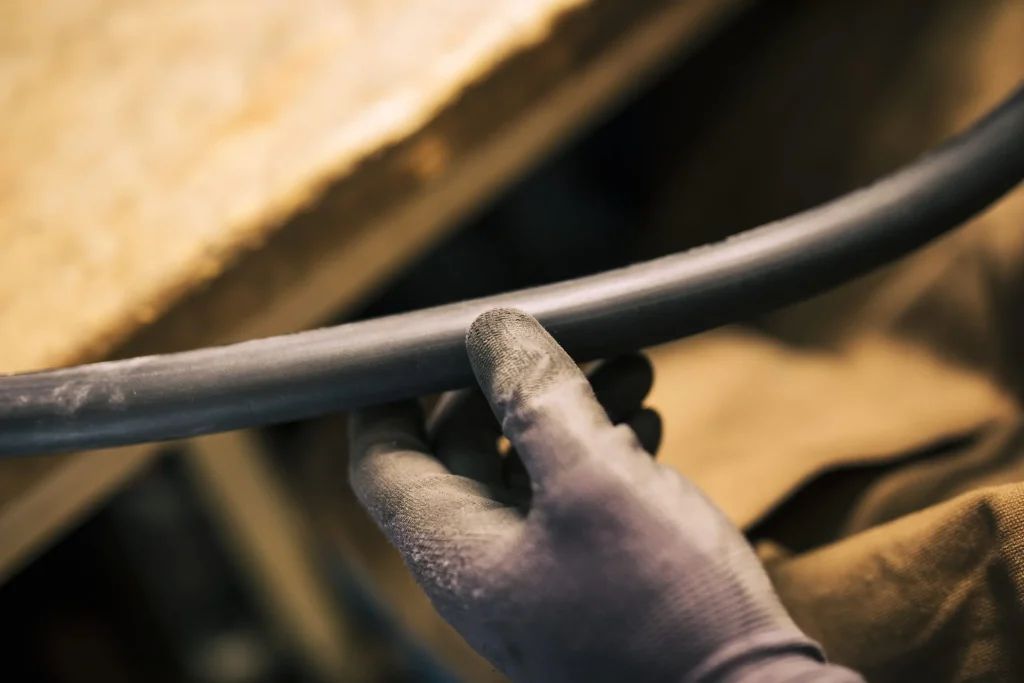
The Traditional Problem: Manual Input Errors in Steel Fabrication
For many years, the transition from steel detailing to actual fabrication involved multiple manual steps. Detailers would create drawings, generate lists, and then someone in the shop would re-enter dimensions, hole locations, copes, and cut lengths into CNC machine controllers. Each manual entry created opportunities for human error—transposed numbers, misread tolerances, incorrect part orientations, or simple typing mistakes.
We have seen these errors lead to scrapped material, rework delays, missed delivery dates, and frustrated erection crews. Even a single incorrect hole pattern on a beam can halt production and require expensive field corrections. In an industry where margins are tight and schedules are aggressive, these manual input mistakes directly erode profitability and damage client relationships.
That is precisely why the direct integration of Tekla Structures with CNC machines represents such a game-changing solution. By linking the intelligent 3D model straight to fabrication equipment, we remove the error-prone middle steps and let accurate digital data drive production automatically.
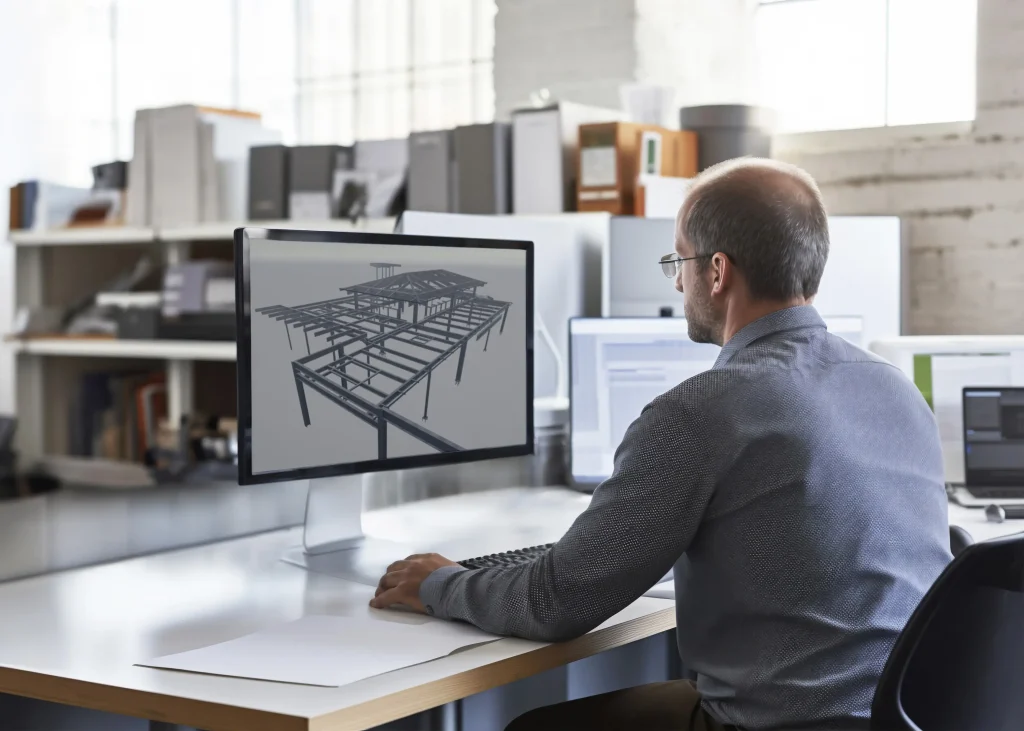
How Tekla Structures Achieves Direct CNC Integration
Tekla Structures, developed by Trimble, is a robust BIM software specifically built for structural steel detailing and modeling. Its strength lies in creating a single, intelligent 3D model that contains not just geometry but also rich fabrication data including material grades, connection details, hole patterns, weld information, and assembly sequences.
The integration works through standardized export formats and direct machine interfaces. Tekla generates CNC-ready files in widely accepted formats such as DSTV-NC (also known as NC1), DXF, or STEP, which most modern steel fabrication machines can read directly. These files carry precise instructions for cutting, drilling, punching, coping, marking, and even robotic welding.
We particularly appreciate how Tekla maintains a parametric link between the model and the output. When a design change occurs in the model—whether it is a revised connection or an updated member length—the software can automatically update the associated CNC files. This ensures that the shop always works from the latest, consistent data without manual intervention.
Advanced users take integration even further by leveraging Tekla’s Open API and extensions. These allow custom plugins that automate file generation, nesting optimization, and direct communication with specific CNC brands. Many fabricators also integrate Tekla with shop management systems like Tekla PowerFab, creating a fully connected digital thread from detailing through to delivery and erection.
In 2026, Tekla Structures continues to enhance these capabilities with improved automation, better support for complex geometries, and stronger cloud collaboration features that make sharing model data across teams effortless.

Key Benefits of Direct Tekla-to-CNC Integration for US Fabricators
We consistently observe that shops adopting direct integration experience transformative improvements across several areas.
Dramatic Reduction in Errors By eliminating manual data entry, fabricators remove one of the largest sources of production mistakes. Dimensions, hole locations, and cut angles flow directly from the validated 3D model, ensuring every piece is fabricated exactly as engineered. This leads to significantly fewer rejected parts and less rework.
Faster Production Throughput Without time spent re-entering data or correcting input mistakes, CNC machines can run continuously with accurate programs. Setup times decrease, and nesting algorithms optimized from the model help maximize material usage, reducing scrap rates and lowering raw steel costs.
Improved Accuracy and Quality Tekla’s intelligent model carries precise tolerances, part marks, and assembly information. When this data drives the CNC machines, the resulting components fit together better during shop assembly and field erection. Ironworkers spend less time troubleshooting and more time installing steel productively.
Enhanced Traceability and Quality Control Every part produced carries a digital lineage back to the model. Fabricators can quickly verify that production matches the approved design, simplifying inspection processes and providing strong documentation for AISC certification and project audits.
Better Resource Utilization Skilled labor becomes more productive when freed from tedious data entry tasks. Your team can focus on higher-value activities such as quality checking assemblies, optimizing workflows, or tackling complex custom fabrications that require human expertise.
Scalability for Complex Projects Modern US projects often involve intricate geometries, hybrid structures, or aggressive schedules. Tekla’s direct CNC integration handles complexity more reliably than manual methods, giving fabricators the confidence to bid on and successfully deliver challenging work.
These benefits compound over time. Shops that fully embrace the technology typically report reduced lead times, lower overall project costs, and stronger client satisfaction that leads to repeat business.
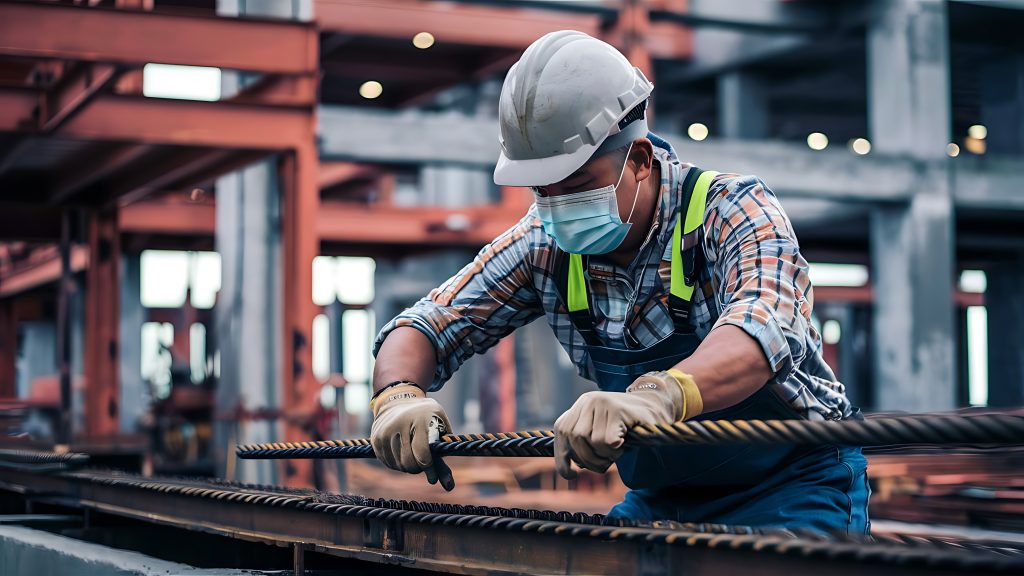
Implementing Tekla Structures CNC Integration: Practical Steps and Best Practices
We recommend a thoughtful approach when bringing direct integration into your operations. Start by assessing your current CNC equipment and confirming compatibility with standard file formats like DSTV-NC. Most contemporary beam lines, plate processors, angle masters, and robotic systems already support these.
Next, ensure your detailing team is proficient in generating clean, fabrication-ready models within Tekla Structures. Accurate modeling practices—proper part numbering, clear connection definitions, and consistent tolerances—are essential for reliable CNC output.
We suggest beginning with a pilot project. Select a mid-sized job with representative complexity to test the full workflow from model to machine. Monitor key metrics such as error rates, setup times, material utilization, and overall throughput. Use the results to refine your processes before scaling across all projects.
Training plays a vital role. Invest in both basic Tekla operator training and specific instruction on CNC export settings and troubleshooting. Many fabricators also benefit from partnering with experienced detailing providers who already master these integrations and can deliver production-ready packages.
Maintain strong communication between your detailing office and shop floor. Regular feedback loops help detailers understand machine capabilities and limitations, allowing them to model in ways that maximize efficiency.
Finally, consider integrating Tekla with your broader shop management ecosystem. Linking it to inventory systems, scheduling software, and project management tools creates a truly connected fabrication environment that drives even greater gains.
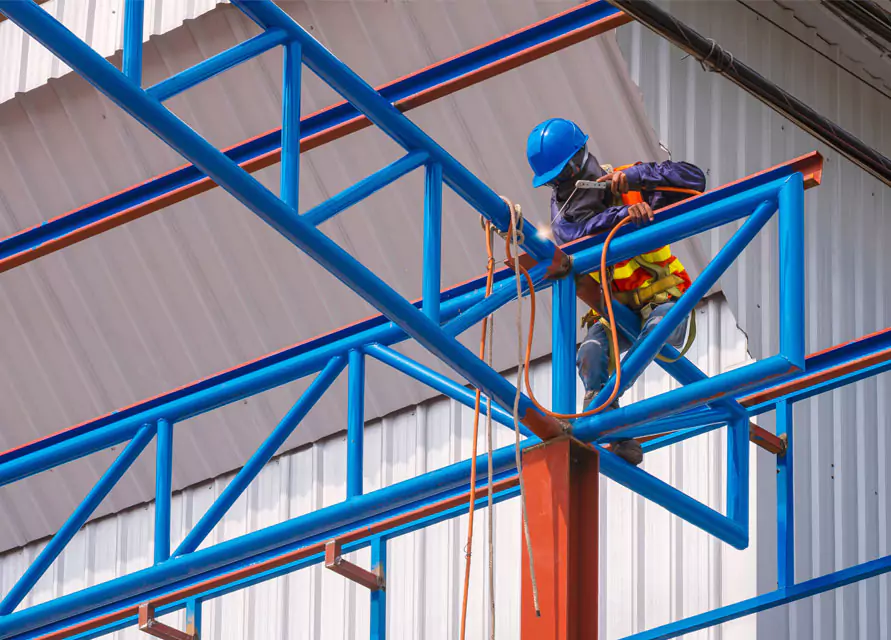
Overcoming Common Challenges in Tekla CNC Integration
While the benefits are substantial, we acknowledge that implementation comes with challenges. Some older CNC machines may require updated controllers or post-processors to read modern files effectively. We help fabricators navigate these upgrades by working with equipment manufacturers and software specialists.
Data consistency is another critical factor. If the 3D model contains inaccuracies or incomplete information, those issues will transfer directly to production. Rigorous model checking and multi-stage reviews before generating CNC files prevent downstream problems.
Resistance to change within teams is natural. We address this through clear demonstration of time savings and error reduction, combined with comprehensive training that builds confidence in the new workflow.
Version control and change management also require attention. Tekla’s revision tools and cloud collaboration features help manage updates efficiently, but shops must establish clear protocols for when and how revised CNC files are issued to the floor.
With proper planning and support, these challenges become manageable, and the long-term advantages far outweigh the initial effort.

Why Now Is the Right Time for US Fabricators to Adopt This Technology
The steel fabrication industry continues to evolve rapidly. Labor shortages make automation more valuable than ever. Clients demand faster delivery and higher quality. Competitors who have already integrated Tekla Structures with their CNC operations are winning bids and delivering projects more profitably.
We see direct integration as a strategic investment that pays dividends through reduced waste, faster throughput, improved quality, and enhanced competitiveness. Fabricators who embrace it position themselves as reliable, technology-forward partners capable of handling the complex projects that define today’s construction landscape.
Frequently Asked Questions

How does Tekla Structures eliminate manual input errors when working with CNC machines? Tekla Structures creates a single intelligent 3D model that contains all necessary fabrication data. It generates CNC files directly from this model using standardized formats, removing the need for manual re-entry of dimensions, holes, or cut details and thereby preventing transcription mistakes.
Which CNC machines can integrate with Tekla Structures? Most modern steel fabrication equipment—including beam drilling lines, plate processors, angle lines, coping machines, and robotic welders—supports standard formats like DSTV-NC or DXF produced by Tekla. Older machines can often be upgraded with compatible controllers or post-processors.
What are the main benefits for US steel fabricators using Tekla CNC integration? Fabricators typically experience fewer production errors, reduced material waste, faster setup and throughput times, improved part accuracy, lower rework costs, and better overall project margins. The technology also enhances traceability and supports higher-quality output that strengthens client relationships.
Conclusion

We firmly believe that the direct integration of Tekla Structures with CNC machines represents one of the most impactful advancements available to US steel fabricators today. By bridging the gap between intelligent 3D modeling and automated production, this technology eliminates costly manual input errors, streamlines workflows, and delivers measurable improvements in accuracy, speed, and profitability.
If your shop is still managing the transition from detailing to fabrication through manual processes, we encourage you to explore how Tekla Structures can transform your operations. The time to move beyond error-prone traditional methods is now.