Saltar al contenido
In the dynamic world of contemporary architecture, architectural projects demand a perfect fusion between innovation, functionality, and durability. Metal structures, particularly miscellaneous steel elements like railings, stairs, and ornamental details, play a pivotal role in this equation. At T&J Steel Detailing, we leverage our expertise and advanced tools like Tekla Structures to provide miscellaneous steel detailing that not only meets rigorous standards but also elevates the overall quality of architectural projects. In this extensive article, we will explore how this detailing transforms designs, highlighting the benefits and applications of metal structures. We’ll speak in a conversational manner, as if we’re chatting about how our team at T&J brings architectural visions to life with precision and style. Join us on this journey through the key aspects that make miscellaneous steel detailing indispensable.
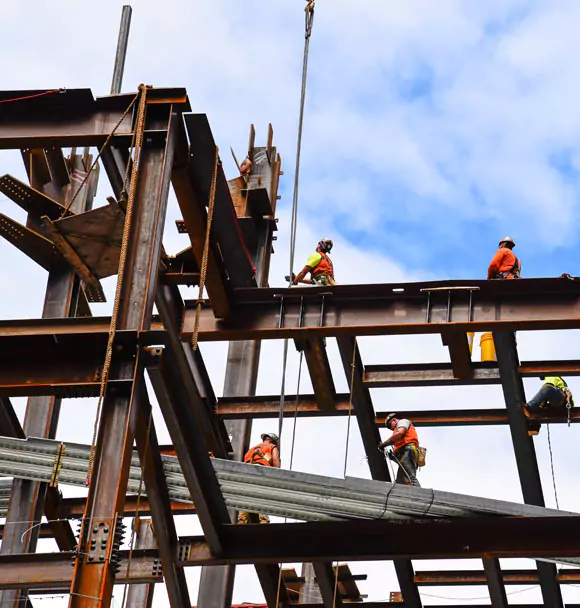
The Essence of Miscellaneous Steel Detailing in Architecture
Imagine a building where every element, from an elegant railing to a functional staircase, integrates harmoniously with the overall design. That’s what we achieve at T&J through miscellaneous steel detailing. This process involves creating detailed drawings and 3D models for non-structural but essential components, such as stairs, railings, walkways, and decorative features. These pieces, crafted from steel, contribute not just support but also an aesthetic touch that defines the character of architectural projects.
Key Benefits of Metal Structures in Miscellaneous Details
Metal structures offer a range of benefits that make them the preferred choice for miscellaneous details. First, their inherent strength allows these elements to withstand daily use without compromising safety. Consider a steel railing on a residential balcony: it not only prevents falls but also resists corrosion and adverse weather, extending the project’s lifespan. At T&J, we use Tekla Structures to simulate these conditions, ensuring every detail is robust and reliable.
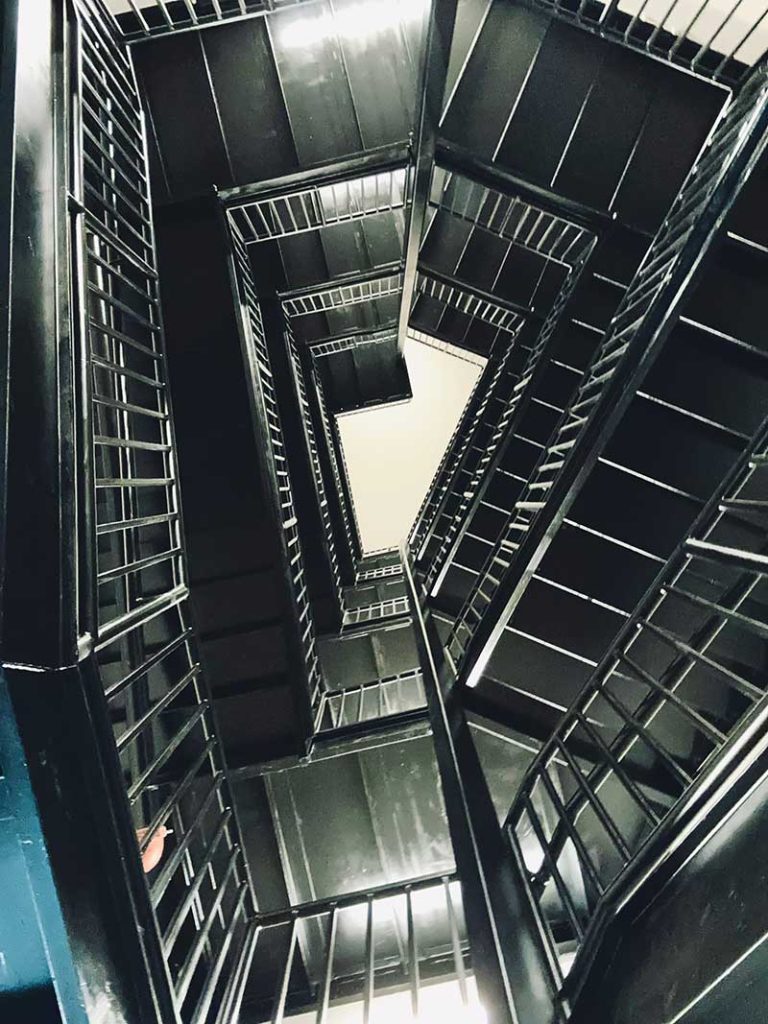
Another standout benefit is the design flexibility. Steel can be easily shaped into complex forms, enabling architects to experiment with curves, patterns, and finishes that add aesthetic value. For instance, in commercial projects, a helical steel staircase can become the focal point, blending functionality with art. We at T&J focus on capturing this versatility through precise models that facilitate fabrication and assembly, reducing costs and timelines.
Moreover, sustainability is a fundamental pillar. Metal structures are highly recyclable, minimizing environmental impact. In an era where architectural projects must be eco-friendly, miscellaneous steel allows for material reuse without losing quality. Our team integrates green practices into detailing, generating material lists that optimize usage and cut waste.
Practical Applications in Diverse Settings
The applications of metal structures in miscellaneous detailing are vast and adaptable. In commercial environments, like shopping malls, steel railings provide safety while complementing modern designs with glass facades. Picture an atrium with metal walkways: they not only connect spaces but create a dynamic visual experience. At T&J, we’ve detailed such elements for projects that prioritize people flow and aesthetics.
In residential settings, steel stairs and railings add a contemporary touch to homes. A floating staircase, for example, maximizes space in urban houses, offering visual lightness and durability. These applications showcase steel’s ability to adapt to minimalist or industrial styles, enhancing livability.
For institutional projects, such as schools or hospitals, metal structures ensure accessibility and safety. Steel ramps and handrails comply with regulations while providing an inclusive design. We at T&J apply standards like those from the AISC to guarantee these elements are both functional and appealing.
Integration with Major Architectural Elements
Within architectural projects, miscellaneous detailing integrates with primary structures like beams and columns. For example, a steel canopy at a building’s entrance not only shelters from the elements but defines the architectural identity. This synergy amplifies benefits, creating cohesion in the overall design.
How Precise Detailing Drives Architectural Innovation
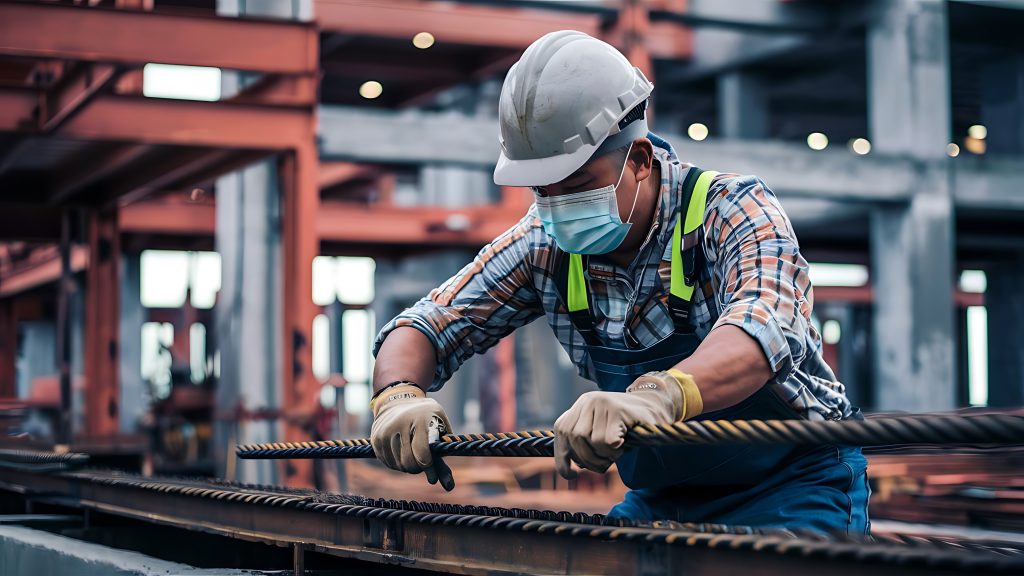
At T&J, we believe miscellaneous steel detailing is the bridge between conceptual ideas and flawless execution. Using Tekla Structures, we generate 3D models that allow for visualization and refinement of every detail before fabrication. This not only minimizes errors but fosters innovation in architectural projects.
Enhancements in Efficiency and Collaboration
Precise detailing accelerates the construction process. With clear drawings, fabricators produce exact pieces, reducing on-site adjustments. This translates to significant savings. In complex projects, like urban renovations, this efficiency is crucial. Our team collaborates with architects and contractors, sharing models integrated with BIM for seamless coordination.
Collaboration is key to the benefits of metal structures. When detailing miscellaneous elements, we ensure they align with the global design, avoiding conflicts. For instance, in an office building, railings integrated with lighting systems enhance nighttime functionality.
Expanded Aesthetic and Functional Benefits
Metal structures elevate aesthetics through finishes like polishing or painting. A railing with geometric patterns can transform a mundane hallway into an inspiring space. Functionally, they offer modularity: elements easy to assemble or modify post-construction.
In applications like public parks, metal walkways connect green areas, promoting accessibility. These uses illustrate steel’s adaptability, from organic to geometric designs.
Automation in Detailing for Greater Precision
Tekla Structures automates repetitive tasks, such as calculating connection dimensions. This ensures millimeter accuracy, vital for elements like ladders in industrial facilities. At T&J, this tool allows us to focus on creativity, delivering results that exceed expectations.
Cost-Effectiveness and Long-Term Value
One often-overlooked benefit is the cost-effectiveness of metal structures. Their prefabrication reduces labor hours on site, leading to faster project completion. In architectural projects with tight budgets, this means more resources for creative features. We at T&J emphasize this by providing accurate material take-offs, helping clients avoid overages and plan sustainably.
Additionally, the low maintenance needs of steel—resistant to pests, fire, and decay—ensure long-term value. Buildings with miscellaneous steel details retain their appeal and functionality over decades, increasing property worth.

Exploring Advanced Applications in Architectural Projects
Beyond the basics, metal structures in miscellaneous detailing open doors to innovative applications. In sustainable architecture, elements like green roofs supported by steel frames combine ecology with durability.
In Urban and Commercial Environments
In dense cities, facades with miscellaneous metal details enhance visual identity. An example: decorative steel panels that filter light, reducing energy consumption. These applications benefit thermal efficiency, a plus in modern architectural projects.
Commercially, stairs in convention centers facilitate mass movement, with designs incorporating public art. At T&J, we detail these to meet safety codes while enhancing user experience.
Applications in Institutional and Residential Spaces
Hospitals use steel ramps for accessibility, resistant to frequent sanitization. In residences, custom balconies with railings add real estate value. These uses show how metal structures balance form and function.
Special Cases: Hybrid Projects
In hybrid projects, like museums, miscellaneous elements integrate art and architecture. Functional steel sculptures, detailed precisely, create immersion. Benefits include versatility for temporary exhibitions.
Emerging Trends in Metal Structure Applications
As technology advances, metal structures are incorporating smart features, like sensor-integrated railings for safety monitoring in smart buildings. In eco-projects, perforated steel screens provide shade and ventilation, reducing HVAC needs. We at T&J stay ahead by using Tekla to model these trends, ensuring our detailing supports future-proof designs.
In landscape architecture, metal bridges and pergolas blend with natural elements, offering durability in outdoor settings. These applications highlight steel’s role in creating harmonious environments.
Customization for Unique Architectural Visions
Every project is unique, and miscellaneous steel allows for high customization. From etched patterns reflecting cultural motifs to modular systems for expandable spaces, the possibilities are endless. Our process at T&J involves close client consultation to tailor details that embody the project’s essence.
Why Choose T&J for Your Architectural Projects
At T&J Steel Detailing, our commitment goes beyond detailing; we build relationships based on trust and excellence. With years of experience, we offer quick responses to RFIs, quality aligned with AISC, and on-time deliveries.
Our Focus on Attention to Detail
Every project receives meticulous review, ensuring miscellaneous elements fit perfectly. This reduces risks and boosts client satisfaction.
Global Expertise and Satisfied Clients
We support worldwide projects, with positive feedback highlighting our precision. We’re your partner for architectural projects that stand out.
Proven Track Record in Diverse Projects
Over the years, we’ve completed numerous projects, from high-rise commercial towers to intimate residential spaces. Our clients appreciate how our miscellaneous detailing adds that extra layer of polish, making structures not just buildings, but landmarks.
Frequently Asked Questions
1. How do metal structures benefit architectural projects?
Metal structures provide strength, versatility, and sustainability, enabling innovative designs that enhance functionality and aesthetics while reducing environmental impacts.
2. What role does miscellaneous steel detailing play in project collaboration?
It facilitates integration with tools like BIM, ensuring architects, engineers, and contractors work in sync, minimizing errors and speeding up timelines.
3. For what types of projects is miscellaneous steel detailing at T&J ideal?
It’s perfect for commercial, residential, institutional, and industrial projects, adapting to specific needs with precision and creativity.
Conclusion
Miscellaneous steel detailing is a catalyst for exceptional architectural projects, maximizing the benefits and applications of metal structures such as strength, versatility, and sustainability. At T&J Steel Detailing, we combine advanced technology with expertise to deliver results that inspire and endure. If you’re planning a project that requires precision and innovation.