Skip to content

In the fast-paced world of structural steel fabrication, controlling costs without compromising quality or timelines is one of the toughest challenges we face daily. As fabricators, we know that steel detailing often represents 12 to 18 percent of total project costs, and those expenses can quickly erode margins when handled entirely in-house. We have helped numerous fabrication shops across North America and beyond achieve nearly 40% savings on detailing expenses through strategic outsourcing. The results speak for themselves: faster project delivery, fewer shop errors, and healthier bottom lines.
We understand the hesitation many fabricators feel about handing over such a critical function. Concerns about quality control, communication gaps, and intellectual property protection are valid. That is exactly why we have developed this comprehensive guide. We will walk you through proven strategies, real-world results, and practical steps to make outsourcing a reliable profit driver rather than a risk. By the time you finish reading, you will have a clear action plan tailored specifically for fabricators who want to stay competitive in 2026 and beyond.
Why Steel Detailing Costs Have Become a Major Burden for Fabricators
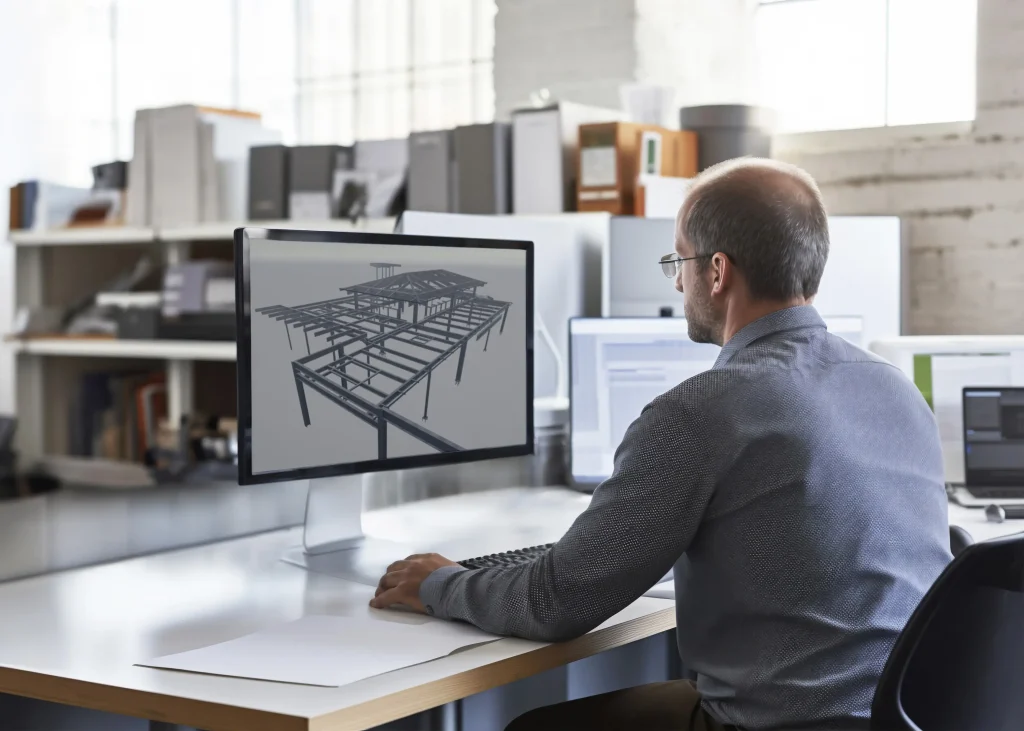
Steel detailing has grown increasingly complex over the past decade. Tighter tolerances, stricter building codes, accelerated project schedules, and the rise of BIM requirements have dramatically increased the workload. We see fabricators spending hundreds of hours per project on connection design, shop drawings, erection drawings, and endless revision cycles. Labor costs continue to climb, especially for experienced detailers who command premium salaries.
Traditional in-house detailing also carries significant hidden expenses. Software licenses for Tekla Structures or SDS/2 run into tens of thousands annually. Add training, plotters, cloud storage, and the opportunity cost of senior personnel tied up in coordination meetings, and the true cost becomes staggering. We have analyzed dozens of fabrication shops and consistently find that detailing overhead often exceeds 15% of revenue on complex jobs.
Market pressures make the situation even more urgent. Owners and general contractors demand shorter lead times while expecting flawless first-time fit-up in the field. When detailing delays occur, the entire fabrication schedule slips, triggering overtime, penalties, or lost bids on future work. That is why forward-thinking fabricators are turning to outsourcing as a strategic advantage rather than a last resort.
The Real Impact: How Outsourcing Delivers Up to 40% Savings
We have seen outsourcing reduce detailing expenses by 25% to 40% on average, depending on project volume and complexity. These savings come from multiple sources. Offshore and nearshore partners operate in regions with lower labor costs while maintaining the same professional standards. More importantly, specialized detailing firms achieve higher efficiency through standardized processes and dedicated teams that work exclusively on steel detailing.
Consider a typical 500-ton project. In-house detailing might cost $45,000–$60,000 when factoring in all overhead. A well-managed outsourced solution often delivers the same scope for $28,000–$38,000. The difference comes from faster modeling (thanks to 24/7 production cycles), reduced revision loops, and elimination of idle time between projects.
We also notice dramatic improvements in quality metrics. Professional detailing firms perform multiple internal QA checks before submission, resulting in cleaner drawings and fewer RFIs. Fabricators who outsource report 30–50% fewer field issues because models are built with fabrication realities in mind from day one. This translates into direct savings through reduced rework, material waste, and erection labor.
Another major benefit is scalability. During peak seasons, you avoid hiring and training temporary staff only to lay them off later. Outsourcing gives you instant capacity without fixed overhead. When work slows, you simply adjust volume—no severance costs or unused software seats.

Choosing the Right Outsourcing Partner: What Fabricators Must Look For
Not all detailing providers deliver equal value. We recommend a rigorous selection process focused on five critical factors.
First, software compatibility and technical capability. Your partner must use the exact same version of Tekla, SDS/2, or Advance Steel that you do. This eliminates translation errors and allows seamless model sharing.
Second, proven fabrication experience. Look for teams that have worked directly with fabricators, not just engineering firms. They understand shop practices, weld symbols, bolt preferences, and erection sequences that pure design offices often miss.
Third, communication infrastructure. Time zone overlap is essential. We prefer partners in Central or South America for North American fabricators because they offer 3–4 hours of real-time collaboration daily. Robust project management portals with daily progress reports, markup tools, and version control are non-negotiable.
Fourth, quality assurance processes. Demand ISO certification, detailed QA/QC manuals, and references from other fabricators. Request sample projects and conduct a paid pilot before committing to larger volumes.
Fifth, data security and IP protection. Signed NDAs, secure servers, and clear ownership clauses protect your proprietary connection details and standards.
We always advise starting with a small pilot project—perhaps one simple building or a single phase of a larger job. Measure actual hours saved, drawing quality, and communication effectiveness before scaling.
Best Practices for Seamless Integration and Maximum Savings
Successful outsourcing requires more than just sending drawings overseas. We have refined a proven integration framework that maximizes results.
Standardize your specifications upfront. Create a comprehensive detailing manual covering connection preferences, drawing standards, layer naming, and approval workflows. This single document dramatically reduces back-and-forth.
Implement phased deliverables. Instead of waiting for 100% completion, receive models in stages: main framing first, then connections, then secondary members. This allows early clash detection and faster fabrication starts.
Leverage cloud collaboration tools. Platforms like Trimble Connect, Autodesk BIM 360, or custom portals enable real-time model access. We schedule short daily stand-up calls (15 minutes) to address questions immediately rather than through slow email chains.
Maintain internal oversight. Designate one experienced in-house detailer or project manager as the single point of contact. Their role is review and approval, not full production. This keeps quality control in your hands while offloading volume work.
Track key performance indicators. Monitor cost per ton, drawing turnaround time, revision percentage, and field fit-up success rate. We typically see these metrics improve within the first three projects.
Many fabricators also choose a hybrid model—keeping highly custom or proprietary work in-house while outsourcing standard beams, columns, bracing, and stairs. This combination often yields the highest overall savings.
Overcoming Common Concerns and Building Long-Term Success
We frequently hear three main objections from fabricators considering outsourcing. Let us address them directly.
Quality fears are natural, but modern 3D model sharing and automated checking tools actually improve consistency compared to overstretched in-house teams. Communication barriers dissolve when you select partners with strong English skills and overlapping work hours.
Intellectual property concerns are managed through legal agreements and secure platforms used by major fabricators worldwide. Finally, loss of control is avoided by maintaining clear approval gates and regular audits.
Once the process is running smoothly, many of our clients expand outsourcing to 60–80% of their detailing volume. This frees senior staff to focus on estimating, client relationships, and process improvement—areas that directly drive business growth.
Frequently Asked Questions
How quickly can we expect to see the full 40% cost reduction? Most fabricators achieve 20–25% savings on the very first project once the pilot is complete. Full 35–40% reductions typically materialize within 3–6 months as workflows are optimized and the partner fully understands your standards. We provide detailed onboarding support to accelerate this timeline.
Will outsourcing detailing slow down our shop production schedule? Actually, the opposite usually occurs. Professional teams deliver drawings faster due to dedicated resources and 24-hour production cycles. We have multiple case studies showing projects moving into fabrication 10–14 days earlier than with in-house teams.
What types of projects work best for outsourcing? Virtually all project types benefit, but mid-sized commercial, industrial, and warehouse buildings deliver the fastest ROI. Highly complex projects with heavy custom connections still benefit from a hybrid approach where core framing is outsourced and specialty items remain in-house.
Conclusion
Strategic outsourcing represents one of the most powerful levers available to fabricators seeking to cut detailing expenses by nearly 40% while actually improving quality and delivery speed. We have watched shops transform from struggling with chronic overtime and thin margins into confident, scalable operations that win more bids and deliver exceptional results.
The key is approaching outsourcing as a true partnership rather than a simple transaction. With the right partner, clear processes, and strong internal oversight, you can achieve substantial cost savings without sacrificing any of the control or quality your reputation depends on.