Skip to content
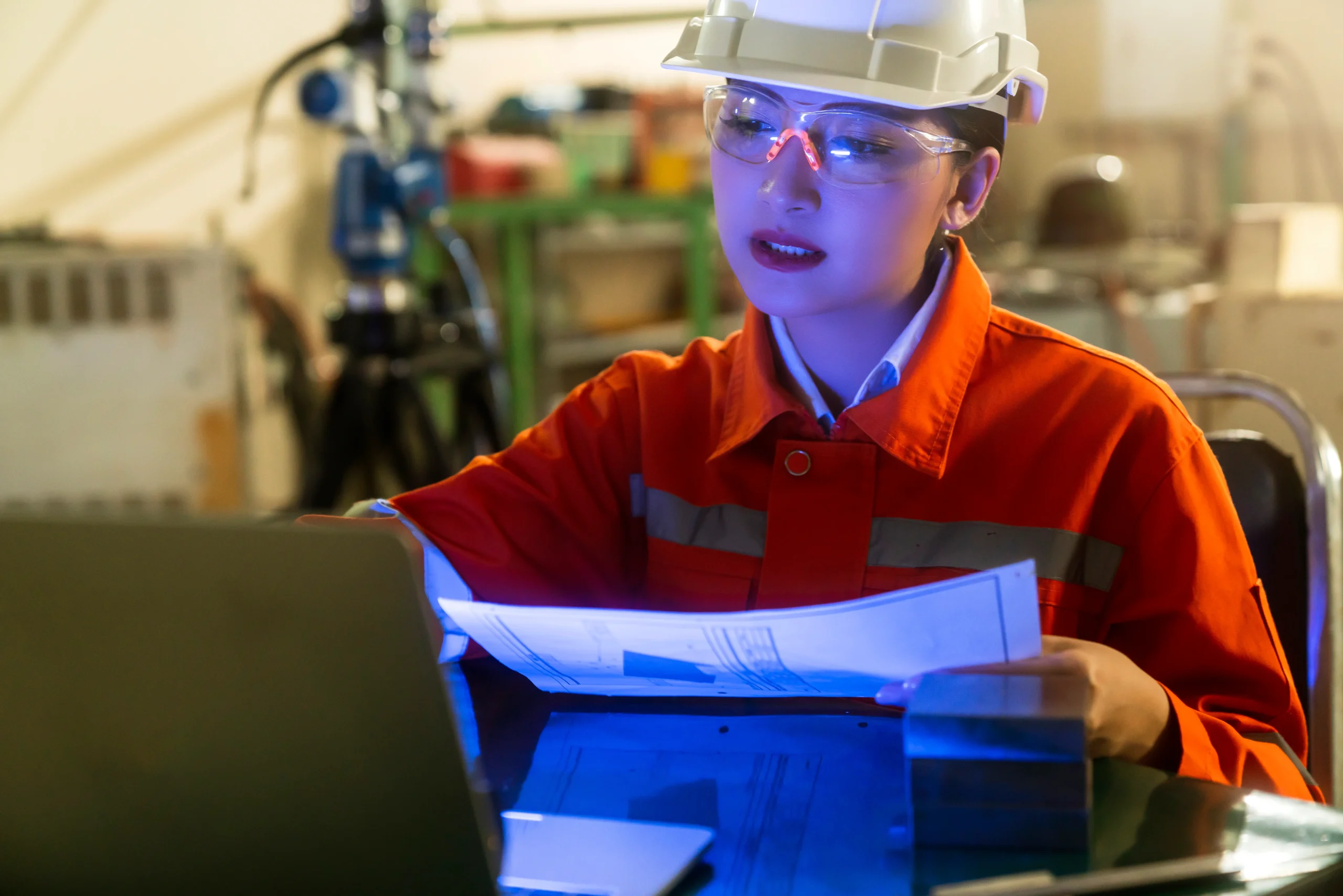
In the fast-moving field of structural steel, where project schedules are tight and margins are scrutinized, turnaround time in detailing can make or break a bid or delivery. As we enter 2026, cloud-based collaboration has become more than a convenience—it’s a core driver of efficiency for steel detailers, fabricators, and engineers alike. We see teams slashing weeks off traditional workflows by moving to shared, real-time environments that eliminate version confusion, enable instant feedback, and keep everyone aligned from concept to fabrication.
Gone are the days of emailing massive files back and forth, waiting for approvals, or dealing with outdated models that lead to costly RFIs. Platforms like Trimble Connect, integrated tightly with Tekla Structures, Autodesk Construction Cloud (formerly BIM 360), and emerging solutions from ALLPLAN and SDS2, now allow distributed teams to work on the same live model simultaneously. This shift is directly accelerating detailing turnaround times, often by 30-50% or more, based on industry reports and real-world implementations.
In this article, we’ll explore how cloud collaboration is transforming steel detailing in 2026. We’ll cover the key technologies, practical benefits, implementation strategies, and future outlook—so you can evaluate whether it’s time to upgrade your processes. If you’re a detailer looking to win more projects or a fabricator seeking faster shop drawings, these insights will help you move forward confidently.
The Shift to Cloud in Steel Detailing: Why 2026 Is the Tipping Point
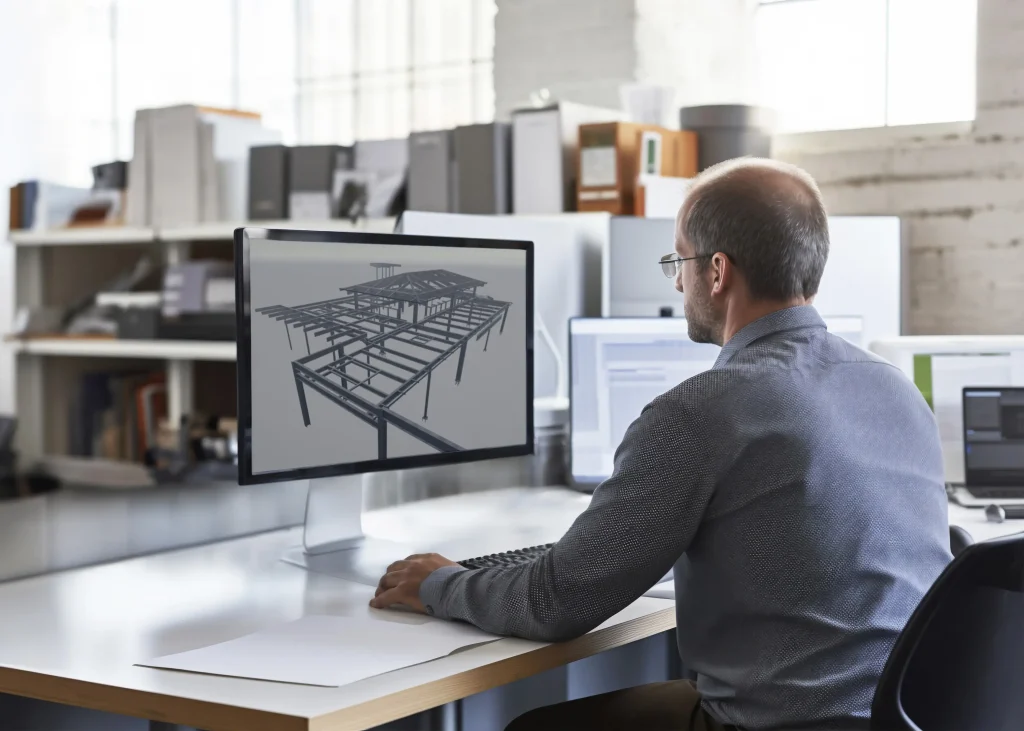
The steel detailing landscape has evolved rapidly. Traditional methods—local servers, manual file transfers, and sequential approvals—created bottlenecks that delayed projects and increased errors. In 2026, cloud platforms address these pain points head-on, enabling seamless, location-independent work.
Key Cloud Platforms Powering Modern Detailing
Trimble Connect stands out for Tekla users. It serves as a single source of truth, allowing detailers to upload models, share drawings, and collaborate in real time. Features like model viewing on mobile devices, issue tracking, and integration with Tekla PowerFab streamline the path from detailing to fabrication.
Autodesk Construction Cloud offers robust tools for Revit and Advance Steel workflows, with strong document management and markup capabilities. While direct Tekla-ACC integration has limitations, IFC exports and third-party bridges make multidisciplinary coordination possible.
Emerging 2026 releases, such as ALLPLAN’s BIMPLUS enhancements and SDS2’s cloud integrations, add advanced automation and open collaboration. These platforms support live model editing, version control, and automated clash detection, reducing manual rework.
We recommend starting with a platform that aligns with your primary software—Tekla pairs naturally with Trimble Connect, while multi-tool firms benefit from open standards like IFC.
Driving Forces Behind the Cloud Adoption Surge
Labor shortages, global teams, and rising project complexity push adoption. Remote work became standard, and cloud tools allow detailers in different time zones to contribute without delays. Industry surveys from 2025-2026 show over 70% of AEC firms investing in cloud for better coordination, with steel detailing seeing particularly strong gains due to model complexity.
Regulatory demands for sustainability and traceability also favor cloud, as centralized data supports accurate material takeoffs and lifecycle analysis.

How Cloud Collaboration Directly Reduces Turnaround Times
The most compelling benefit is speed. Cloud environments compress cycles that once took days into hours.
Real-Time Model Access and Simultaneous Editing
In traditional setups, only one user could edit a file at a time, leading to wait periods and version conflicts. Cloud platforms enable multi-user access—multiple detailers can work on different assemblies concurrently, with changes syncing instantly.
For example, when an engineer updates a connection, the detailer sees it immediately and adjusts drawings without manual imports. This eliminates “waiting for the model” delays, often cutting initial detailing phases by 40%.
Live collaboration features, like those in Tekla’s 2025-2026 updates, allow on-the-fly discussions within the model, reducing email chains and meetings.
Automated Issue Tracking and Clash Resolution
Cloud tools include built-in issue managers. Markups, comments, and clashes appear in context, assigned to team members with due dates. Detailers resolve issues faster because everyone views the same data—no more miscommunications over screenshots.
Automated clash detection runs in the background, flagging problems early. Teams report 50-75% fewer RFIs when using cloud coordination, directly speeding up detailing approvals.
Streamlined Review and Approval Workflows
Approvals that required printing, signing, and scanning now happen digitally. Stakeholders review 3D models via browsers or apps, adding comments that link to specific elements. This accelerates feedback loops, often from days to same-day responses.
We’ve seen projects where cloud-based submittals cut approval cycles in half, allowing fabricators to start production sooner.
Integration with Fabrication and Downstream Processes
Cloud bridges detailing to fabrication. Tekla models push directly to PowerFab for estimating and CNC files. This end-to-end flow minimizes data re-entry and errors, shortening the overall project timeline.
Real-World Benefits and Implementation Strategies
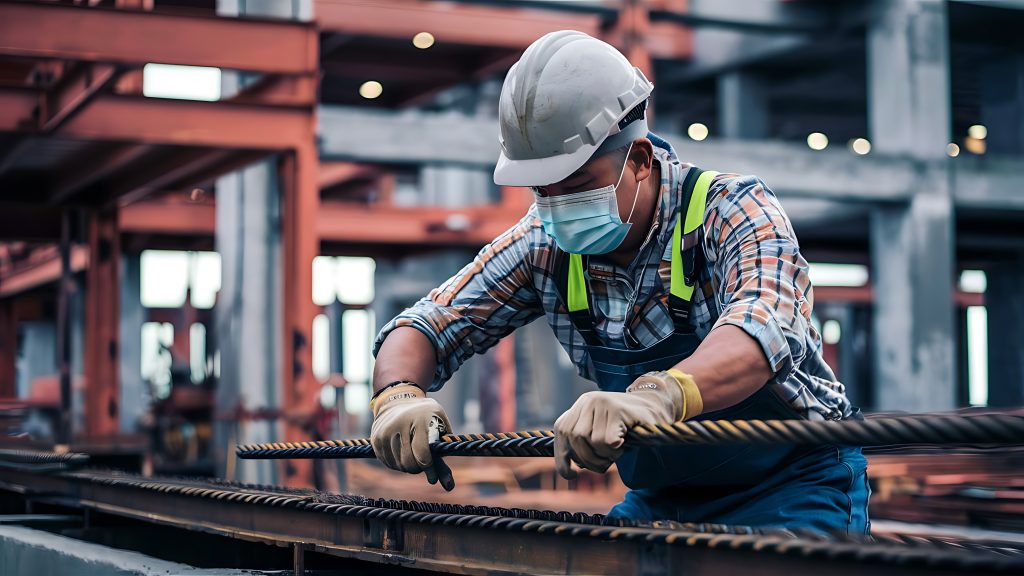
Beyond speed, cloud delivers measurable gains in quality, cost, and scalability.
Quantifiable Improvements in Efficiency and Cost
Industry insights from 2025-2026 indicate:
- Up to 50% faster shop drawing production through real-time edits.
- 30-40% reduction in rework via early clash detection.
- Significant drops in travel and meeting costs for distributed teams.
Fabricators gain from accurate, up-to-date models, reducing material waste and field adjustments.
Step-by-Step Guide to Adopting Cloud Collaboration
- Assess your current workflow—identify bottlenecks like file sharing or revision tracking.
- Choose a platform—evaluate based on your software stack and team size.
- Migrate data—upload existing models and train on basics.
- Pilot on a project—start small to measure gains before full rollout.
- Integrate tools—connect with ERP, fabrication software, or mobile apps.
- Foster adoption—provide training and highlight quick wins like faster markups.
Security remains key; use platforms with strong encryption and access controls.
Overcoming Common Challenges
Resistance to change is normal. Demonstrate ROI through pilots. Bandwidth concerns? Many platforms offer offline modes with auto-sync. Data sovereignty? Choose region-specific hosting.
Looking Ahead: The Future of Cloud in Steel Detailing
By late 2026 and beyond, expect deeper AI integration for predictive detailing, AR/VR reviews via cloud, and tighter digital twin links. Cloud will become the default, enabling fully remote, hyper-efficient workflows.
We anticipate even greater reductions in turnaround times as 5G and edge computing enhance real-time performance.
FAQs

How much can cloud collaboration realistically reduce steel detailing turnaround times in 2026? Many teams report 30-50% faster cycles, with some achieving up to 70% reductions in specific phases like revisions and approvals. The exact figure depends on project complexity and prior workflows, but early clash resolution and real-time edits consistently deliver substantial time savings.
Is cloud-based collaboration secure enough for sensitive steel detailing projects? Yes—leading platforms like Trimble Connect and Autodesk Construction Cloud use enterprise-grade encryption, role-based access, audit trails, and compliance with standards like ISO 27001. We recommend enabling two-factor authentication and regular access reviews for maximum protection.
What if my team uses multiple detailing software packages—can cloud still help? Absolutely. Open standards like IFC enable cross-platform sharing. Tools such as Trimble Connect or ALLPLAN’s BIMPLUS act as neutral hubs, allowing Tekla, SDS2, or Advance Steel models to coexist for coordination, even if direct editing isn’t possible in every tool.
Conclusion

Cloud-based collaboration is fundamentally changing steel detailing in 2026, turning what was once a sequential, error-prone process into a dynamic, accelerated one. By enabling real-time access, seamless issue resolution, and integrated workflows, these tools are helping teams deliver accurate shop drawings faster, win more bids, and complete projects on tighter schedules.