Skip to content
The explosion of artificial intelligence and cloud computing has turned data centers into one of the hottest sectors in construction. As we stand in early 2026, the demand for these facilities is reshaping entire supply chains—particularly the steel industry. Hyperscale operators like AWS, Microsoft, Google, and Meta are racing to build massive campuses to support AI workloads, driving unprecedented consumption of structural steel for frames, mezzanines, support platforms, and specialized infrastructure.
We see fabricators facing a pivotal moment: projects that once took months now demand completion in weeks to meet aggressive go-live dates. A single hyperscale data center can require up to 20,000 tons of steel, and with U.S. data center construction spending projected to surge dramatically—reaching peaks around $86-89 billion in 2026 according to multiple forecasts—the pressure on detailing pipelines is immense. Traditional workflows simply can’t keep pace, leading to delays, RFIs, and lost opportunities.
In this article, we’ll examine the forces fueling this boom, the specific challenges for steel fabricators, and why investing in accelerated detailing processes is no longer optional—it’s essential for capturing market share. From BIM advancements to cloud collaboration and automation, we’ll outline practical steps to streamline your operations and position your shop as a preferred partner for data center builders.
The Surge in Data Center Construction and Its Impact on Steel Demand
Data centers have evolved from niche facilities to critical infrastructure powering the AI revolution. Projections indicate U.S. data center power demand could multiply several times over by the early 2030s, with 2026 marking a high point in construction activity.
Drivers Behind the Boom
The primary catalyst is generative AI and machine learning, which require enormous computational power and low-latency access. Hyperscalers are committing hundreds of billions globally, with U.S. spending forecasts showing explosive growth—from modest levels pre-2025 to estimates exceeding $80 billion annually in peak years like 2026. This translates to massive footprints: campuses spanning millions of square feet, often in clusters to secure power and fiber connectivity.
Steel plays a starring role. These buildings demand robust structural systems to support heavy equipment racks (now 30-100 kW per rack), cooling infrastructure, and seismic/wind resilience. Unlike traditional commercial structures, data centers prioritize speed to market—revenue starts when servers go online—so construction timelines compress dramatically.
We observe that steel-intensive designs—using wide-flange beams, HSS columns, composite floors, and modular platforms—dominate because they allow fast erection and flexibility for future expansions.
Quantifying Steel Consumption
A hyperscale facility might consume 15,000-25,000 tons of structural steel, far exceeding typical warehouses or offices. With hundreds of projects in pipeline, this creates sustained, high-volume demand. Industry analyses point to data centers as a key driver for modest overall steel growth (around 1-2% in some forecasts), but the sector’s intensity makes it a lifeline for fabricators amid softer residential or retail markets.
Tariffs on imported steel further emphasize domestic sourcing, benefiting U.S. mills and fabricators who can deliver quickly and reliably.

Challenges for Steel Fabricators in the Data Center Race
While opportunity abounds, the pace exposes vulnerabilities in traditional detailing and fabrication workflows.
Tight Schedules and High Stakes
Data center developers prioritize speed to revenue. Delays in steel delivery can push back commissioning by months, costing millions in lost compute capacity. Fabricators accustomed to 12-16 week cycles now face 6-10 week expectations, often with phased releases and concurrent engineering.
This compression amplifies risks: incomplete designs from engineers, late changes from MEP coordination, or power grid uncertainties force revisions. One missed connection detail or clash can trigger field rework, eroding margins.
Coordination Complexity
Data centers integrate structural steel with dense MEP systems—cooling pipes, bus ducts, cable trays—and fire suppression. Traditional 2D detailing struggles here; clashes discovered on-site lead to expensive fixes.
Labor shortages compound issues. Skilled detailers and modelers are in high demand, and many shops report backlogs stretching months. Scaling teams quickly isn’t feasible, so efficiency gains must come from process optimization.
Material and Supply Chain Pressures
Steel prices fluctuate with demand spikes, tariffs, and energy costs. Fabricators need predictable lead times and accurate takeoffs to avoid over-ordering or shortages. Data center specs often require high-strength grades, galvanizing, or fireproofing, adding complexity.
Why Faster Detailing Pipelines Are Critical Now
To thrive, fabricators must compress detailing timelines without sacrificing accuracy. Faster pipelines mean winning bids, securing repeat business, and maintaining healthy cash flow.
Benefits of Accelerated Workflows
Shorter cycles allow earlier steel mill orders, reducing exposure to price volatility. They enable proactive clash resolution, cutting RFIs by 50% or more. In data center projects, this translates to on-time deliveries that keep erectors productive and developers happy.
We find that shops with optimized pipelines report 30-50% faster throughput, higher utilization, and stronger client relationships—key in a competitive market.
Core Strategies to Speed Up Detailing
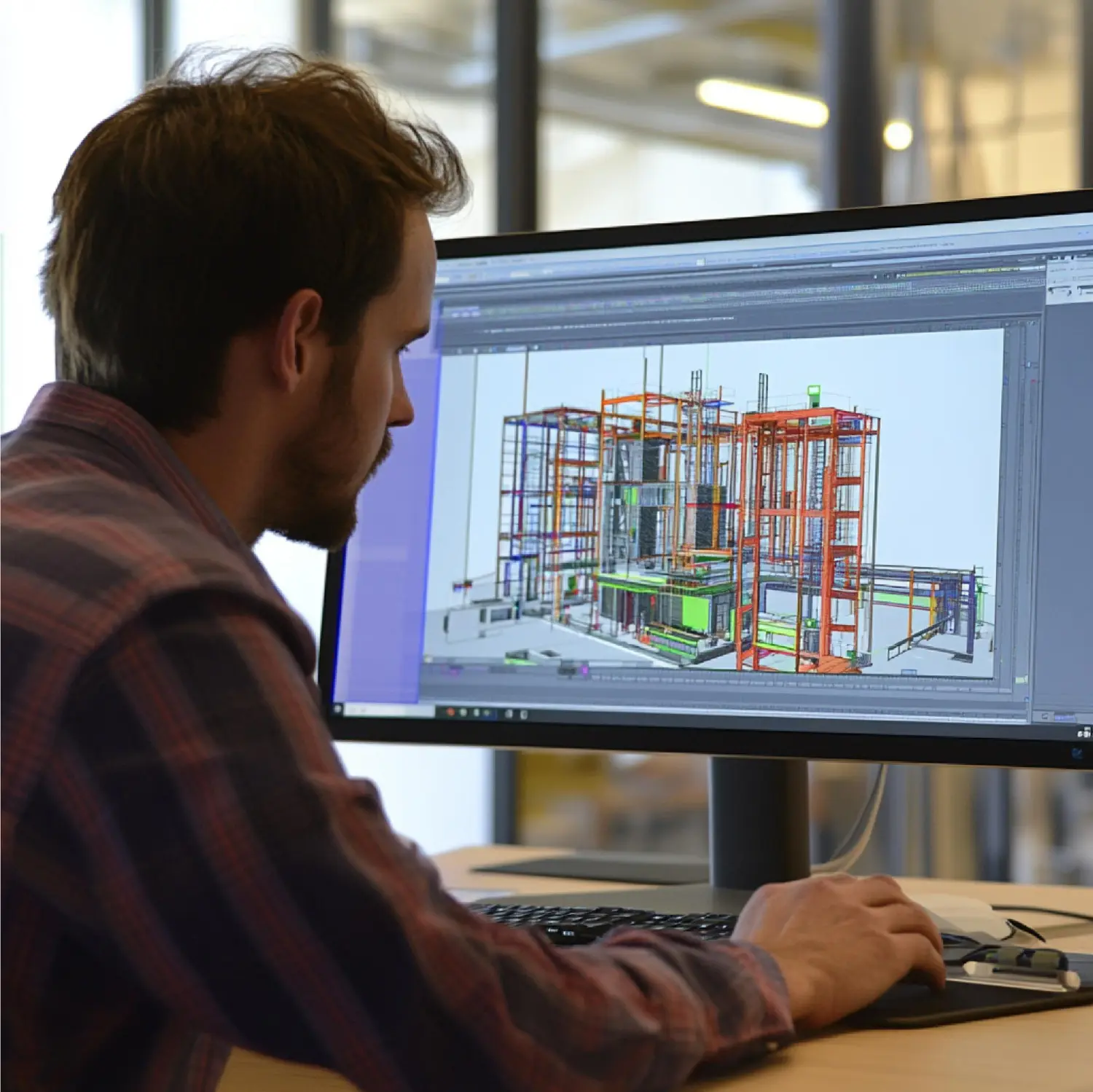
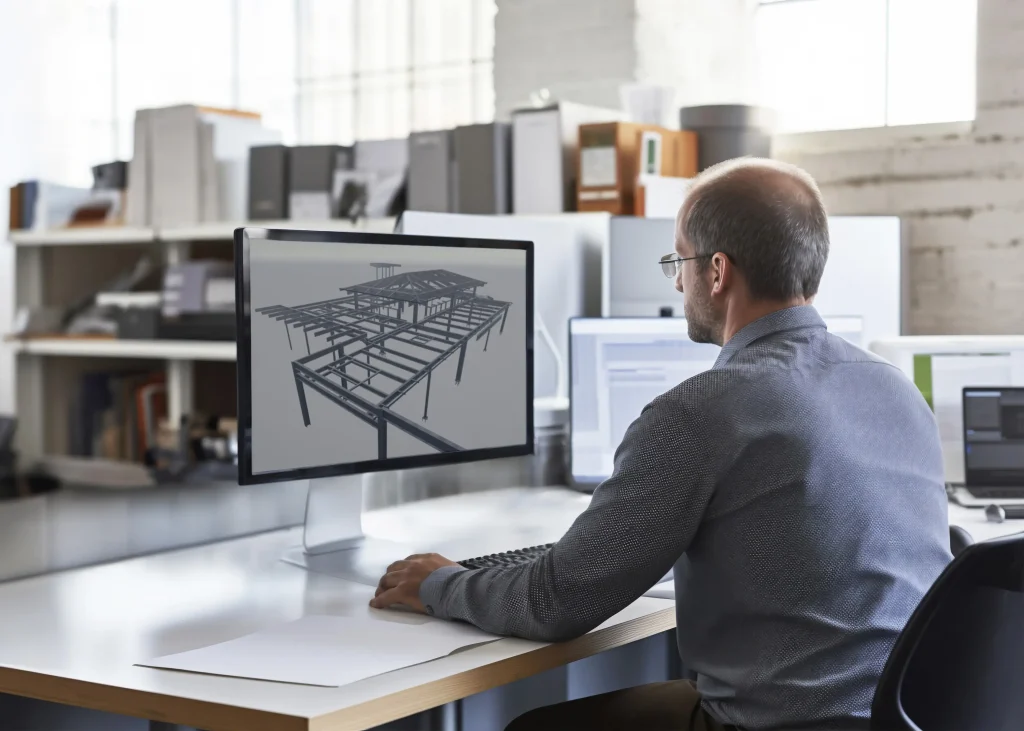
Adopt advanced BIM tools like Tekla Structures or SDS2, tailored for steel. These automate connection design, generate accurate BOMs, and support parametric modeling for repetitive elements like rack supports.
Implement cloud-based collaboration platforms—Trimble Connect or Autodesk Construction Cloud—for real-time sharing with engineers, general contractors, and subs. Multi-user editing and automated issue tracking eliminate version chaos.
Leverage automation and macros. Script repetitive tasks—hole patterns, bracing, or standard connections—to free detailers for complex work.
Standardize where possible. Develop libraries of data center-specific details (raised floors, seismic bracing, modular platforms) to reuse across projects.
Invest in training and capacity. Cross-train teams, use offshore support for routine modeling, or partner with detailing specialists experienced in hyperscale work.
Overcoming Barriers to Implementation
Resistance to change is common—teams fear learning curves or disruption. Start small: pilot accelerated methods on one data center package to demonstrate ROI through faster submittals and fewer revisions.
Address skill gaps with vendor certifications and internal knowledge sharing. Budget for software upgrades, but calculate payback—often 6-12 months via increased throughput.
Monitor emerging tech like AI-assisted detailing for clash prediction or generative connections, which promise further gains.
FAQs

How much steel does a typical hyperscale data center require, and why is speed so critical? A large hyperscale facility often needs 15,000-25,000 tons of structural steel for framing, platforms, and supports. Speed is vital because revenue generation begins only after servers are powered on—delays in steel delivery can cost operators millions in lost AI compute capacity and market share.
What are the biggest detailing challenges unique to data center projects? Tight timelines demand rapid iterations amid evolving MEP and power layouts. Dense coordination with cooling, electrical, and fire systems increases clash risks, while specs for high loads, seismic resilience, and modularity require precise, constructible details. Labor shortages further strain capacity to meet accelerated schedules.
How can smaller fabricators compete for data center work without massive investments? Focus on niche capabilities like specialized platforms or quick-turn detailing services. Partner with larger GCs or detailing firms for overflow, adopt affordable cloud tools for collaboration, and build standard libraries for repeatable elements. Start with smaller colocation or edge facilities to gain experience before targeting hyperscale bids.
Conclusion

The data center boom in 2026 represents a transformative opportunity for steel fabricators, fueled by AI’s insatiable appetite for infrastructure. With construction spending soaring and steel demand following suit, those who adapt fastest will capture the lion’s share of projects. By prioritizing faster detailing pipelines—through advanced software, cloud collaboration, automation, and strategic standardization—we can turn pressure into advantage, delivering on-time, high-quality steel packages that keep developers moving forward.