Skip to content

In the dynamic steel fabrication industry of 2026, selecting the right detailing software directly influences your shop’s productivity, accuracy, profitability, and ability to win competitive bids. We have implemented and supported the major platforms across hundreds of projects ranging from straightforward commercial buildings to complex industrial and architectural steel packages. The leading options continue to evolve rapidly with meaningful AI enhancements, improved automation, and better integration capabilities.
This detailed comparison examines the top detailing software choices available to fabricators this year. We will break down their strengths, limitations, 2026 updates, and ideal use cases so you can make an informed decision that aligns with your specific operation. Whether you prioritize maximum automation and speed or advanced BIM coordination and flexibility, we will help you identify the best fit.
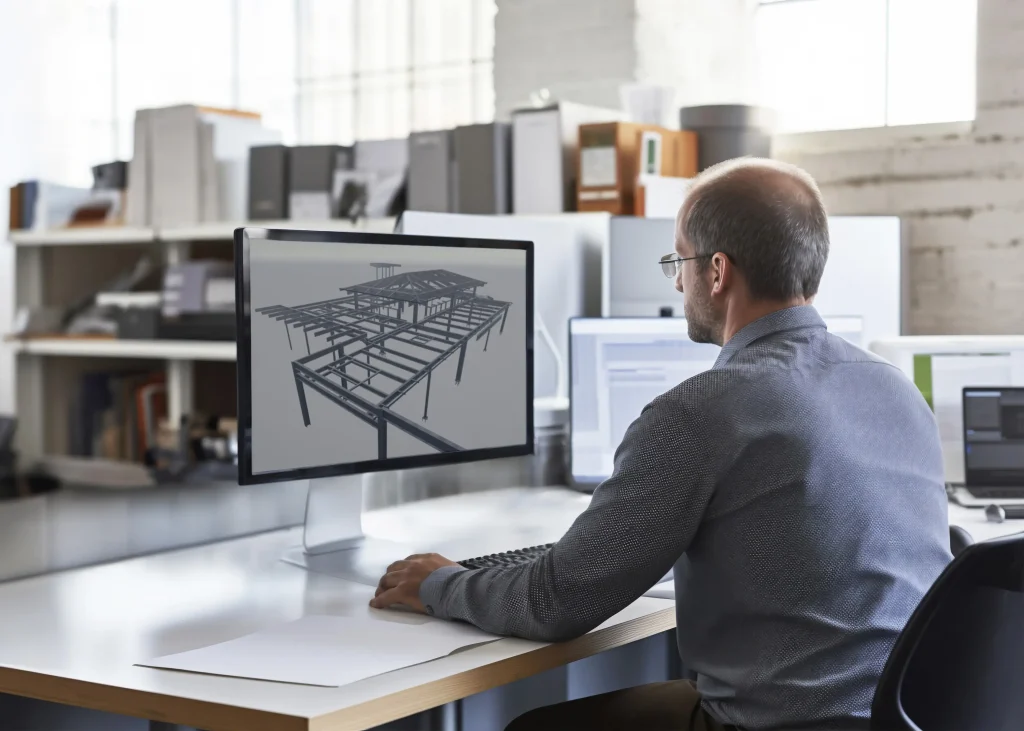
The Current Landscape of Steel Detailing Software in 2026
The steel detailing market this year is dominated by three primary contenders: Tekla Structures, SDS/2, and Autodesk Advance Steel. Each has carved out a strong position by addressing different priorities within the fabrication workflow.
Tekla Structures from Trimble remains the BIM powerhouse, excelling in complex, collaborative projects. SDS/2 from ALLPLAN focuses on intelligent automation and rapid production for high-volume fabricators. Advance Steel provides a cost-effective solution tightly integrated within the Autodesk ecosystem.
We also see growing interest in specialized tools like Parabuild for parametric constraints and AVEVA Bocad for heavy industrial work, but the majority of North American and international fabricators rely on the big three. The right choice depends on your project mix, team size, existing software investments, and long-term growth strategy.
Tekla Structures: Best for Complex BIM and Collaborative Projects
We often recommend Tekla Structures to fabricators handling architecturally challenging work, design-build contracts, or international projects requiring robust model sharing. Its open, model-centric approach creates highly intelligent 3D models that carry rich data throughout the project lifecycle.
In 2026, Tekla has made significant strides with AI Cloud Fabrication Drawings — a “human-in-the-loop” service that analyzes your past project libraries to suggest complete fabrication drawings for review. This feature, combined with enhanced template matching and cloning tools, dramatically reduces drawing production time while maintaining full control and quality. The new Project Settings Management Console allows cloud-based standardization across teams, ensuring consistency even on large, multi-user projects.
Tekla excels at handling complex geometry, curved members, multi-material interfaces, and advanced clash detection. Its seamless integration with Trimble PowerFab provides end-to-end visibility from detailing through fabrication management, inventory, and production scheduling. For fabricators who frequently collaborate with engineers, architects, and other trades, Tekla’s superior IFC support and Trimble Connect integration deliver clear advantages.
The learning curve is steeper than some alternatives, but the long-term payoff in flexibility and error reduction is substantial. We have seen teams increase effective output per detailer by 40-60% after full adoption, particularly on repeat project types.

SDS/2: The Automation Champion for High-Volume Fabrication
For fabricators focused on speed, standardized production, and maximum shop throughput, SDS/2 frequently emerges as the top performer. Its rule-based intelligence and automated connection design allow detailers to produce fabrication-ready outputs with minimal manual intervention.
The 2026 release strengthens this position with expanded material support beyond traditional steel—including aluminum, stainless steel, and FRP—plus custom profile creation. Bulk editing of revision charts, smarter connection grouping, and improved welding automation help high-volume shops move projects through detailing faster than ever. The redesigned Drawing Editor delivers noticeable performance gains, especially on large models.
We particularly appreciate SDS/2’s ability to generate clean, consistent shop drawings and CNC files quickly while enforcing code compliance and shop preferences. Its intelligent defaults and buildability checks reduce revision cycles and field issues. For mid-to-large fabricators processing hundreds or thousands of tons monthly, these efficiencies translate into real competitive advantages in both pricing and delivery schedules.
SDS/2 offers strong value with a more accessible learning curve for experienced detailers. Many of our clients report reaching full productivity faster than with other platforms, making it ideal for scaling operations or onboarding new team members efficiently.
Advance Steel: Cost-Effective Integration Within the Autodesk Ecosystem
Autodesk Advance Steel serves as a practical, budget-friendly option for fabricators already invested in AutoCAD or Revit workflows. It provides powerful 3D modeling and automated drawing production while maintaining tight integration with other Autodesk tools.
While it may not match the deep automation of SDS/2 or the open BIM flexibility of Tekla, Advance Steel shines in environments where seamless data flow between design and detailing is essential. Its ability to generate accurate BOMs, NC files, and shop drawings directly from the model makes it particularly attractive for smaller to mid-sized fabricators or those handling miscellaneous steel alongside structural work.
In 2026, Advance Steel continues to benefit from Autodesk’s broader ecosystem improvements, including enhanced Revit interoperability. For shops that need to collaborate frequently with design teams using Autodesk products, this integration can eliminate many coordination headaches. The software strikes an excellent balance between capability and affordability, often allowing smaller operations to access professional-grade detailing tools without massive upfront investment.
Key Comparison Factors for Fabricators in 2026
When helping clients choose between these platforms, we evaluate several critical dimensions:
Automation and Speed: SDS/2 generally leads for standard production work, followed closely by Tekla’s new AI tools. Advance Steel offers solid automation but typically requires more manual input.
Complex Geometry and BIM: Tekla Structures remains unmatched for intricate projects and multi-stakeholder collaboration.
Cost and Value: Advance Steel usually wins on initial pricing. SDS/2 and Tekla offer strong ROI through productivity gains, with flexible subscription options available across all three.
Training and Support: All major vendors provide excellent resources, but SDS/2 often allows faster onboarding. Tekla’s extensive global user community provides tremendous peer support.
Shop Integration: Tekla integrates best with comprehensive fabrication management systems like PowerFab. SDS/2 excels at direct CNC output and shop-floor efficiency. Advance Steel works seamlessly within Autodesk-based environments.
Many successful fabricators adopt a hybrid strategy—using one primary platform for the majority of work while maintaining capability in another for specific client requirements or project types. This approach maximizes competitiveness when bidding on diverse opportunities.
Implementation Best Practices and Return on Investment
We strongly recommend a structured evaluation process before committing to any new detailing software. Start with detailed demonstrations using your actual sample projects. Measure key metrics such as modeling time, drawing production speed, revision rates, and team adoption during a paid pilot.
Invest in proper training and standards development from day one. The most successful implementations include customized connection libraries, drawing templates, and clear workflows that reflect your shop’s preferences. Cloud collaboration features across all platforms help bridge office and shop teams effectively.
In our experience, well-implemented detailing software typically delivers payback within 6 to 12 months through reduced labor hours, fewer errors, faster project cycles, and improved bidding accuracy. The productivity gains compound over time as your team masters advanced features and automation.
Frequently Asked Questions
Which detailing software offers the fastest ROI for a mid-sized fabricator in 2026? SDS/2 frequently delivers the quickest returns for shops focused on high-volume structural steel due to its powerful automation and rapid drawing production. Tekla Structures provides excellent long-term ROI on complex or BIM-heavy projects, while Advance Steel suits operations seeking lower initial costs and Autodesk integration. We help clients run detailed cost analyses based on their specific tonnage and project types.
Is it practical for a fabrication shop to use more than one detailing software? Absolutely. Many of our most successful clients maintain proficiency in two platforms — often SDS/2 for production efficiency and Tekla for complex modeling or client-mandated BIM deliverables. This hybrid approach provides maximum flexibility when bidding on varied work. With proper standards management, switching between platforms becomes manageable.
How important are the new AI features in 2026 detailing software? AI capabilities represent a genuine leap forward, particularly Tekla’s Cloud Fabrication Drawings and Model Assistant. These tools reduce repetitive work while keeping experienced detailers in control. SDS/2’s enhanced automation features achieve similar efficiency gains through rule-based intelligence. We see AI and smart automation becoming essential competitive advantages rather than nice-to-have extras.
Conclusion
Choosing the right steel detailing software in 2026 is one of the most important decisions you will make for your fabrication business. Tekla Structures, SDS/2, and Advance Steel each offer compelling strengths, and the best option depends on your project portfolio, team capabilities, integration needs, and growth objectives.
We have guided numerous fabricators through these evaluations and implementations, helping them achieve substantial gains in productivity, quality, and profitability. The platforms available this year are more powerful and user-friendly than ever, with meaningful AI and cloud advancements that reward those who adopt them thoughtfully.