Skip to content
In the competitive steel fabrication world of 2026, producing reliable shop drawings remains one of the most critical steps that determines project success, shop efficiency, and overall profitability. We have implemented both Tekla Structures and SDS/2 across countless fabrication projects, from straightforward commercial buildings to highly complex industrial and architectural steel packages. The question we hear most often is which platform delivers more dependable shop drawings with fewer revisions, faster turnaround, and better field performance.
We created this comprehensive guide to help you make the right choice. We will compare the two leading solutions head-to-head on shop drawing quality, production speed, automation capabilities, ease of use, and 2026-specific advancements. Whether you manage a high-volume fabrication shop or handle specialized structural steel contracts, this analysis will give you clear, practical insights to support your decision.
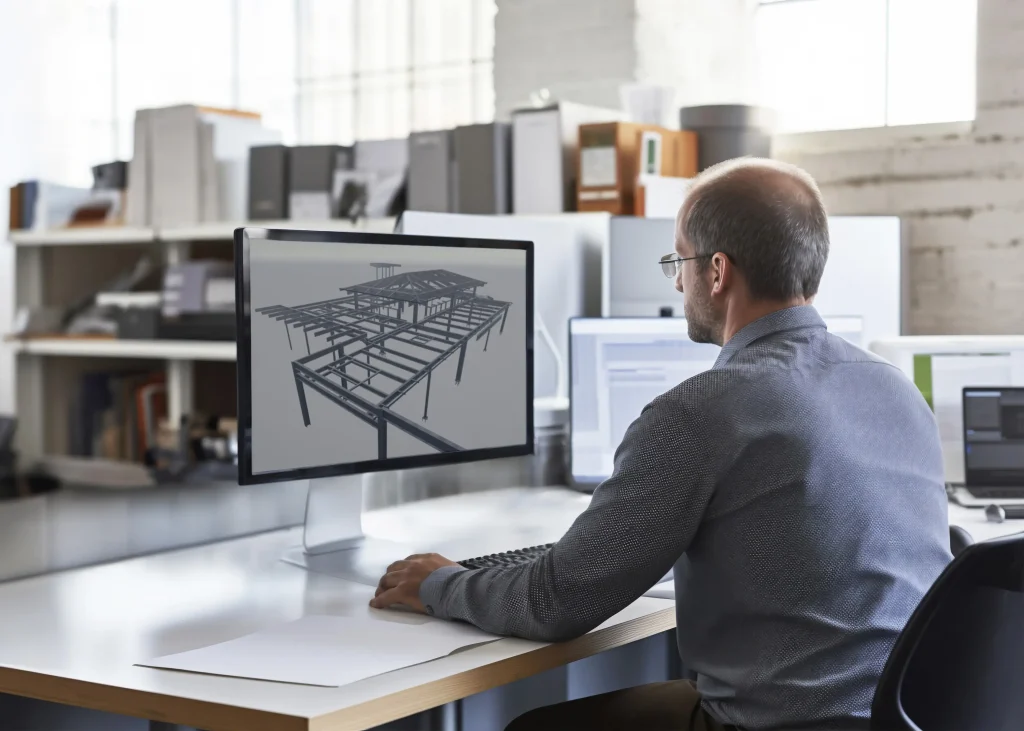
Core Differences in Approach to Shop Drawing Production
We have observed that Tekla Structures and SDS/2 approach shop drawings from fundamentally different philosophies, which directly affects reliability and workflow.
Tekla Structures adopts a model-centric, highly flexible methodology. It builds intelligent 3D models rich with data that flow seamlessly into drawings. This makes it exceptionally strong for projects requiring deep customization, complex geometry, or extensive coordination with other trades. Changes in the model automatically update associated drawings, maintaining strong associativity that reduces errors when modifications occur late in the process.
SDS/2 follows a fabrication-first, rule-based philosophy. It emphasizes intelligent automation and standardized workflows designed specifically for fabricators. The software guides detailers through connection design and drawing creation with built-in intelligence that enforces shop preferences, code compliance, and constructability from the earliest stages. This approach often results in highly consistent outputs tailored directly to shop floor needs.
In 2026, these core strengths have been amplified. Tekla has enhanced its AI capabilities for drawing generation, while SDS/2 has focused on performance improvements and bulk editing tools that accelerate production without sacrificing reliability.
Tekla Structures for Reliable Shop Drawings in Complex Environments
We frequently recommend Tekla Structures when reliability must coexist with complexity. Its 2026 release introduces powerful AI Cloud Fabrication Drawings, a human-in-the-loop service that analyzes your past project drawing libraries to suggest optimal templates for new assemblies. You review the top matches, preview them, and approve or refine—keeping full control while dramatically reducing setup time.
This AI assistance, combined with enhanced cloning and associativity improvements, produces remarkably reliable drawings. Annotations, dimensions, and views stay correctly placed even when the model changes, minimizing the frustrating rework that plagues many detailing teams. We have seen clients reduce drawing cleanup time by 40-60% on repeat project types after adopting these features.
Tekla excels at handling challenging elements such as curved members, multi-material interfaces, architectural steel, and projects with frequent design revisions. Its robust clash detection and coordination tools catch issues early, ensuring the final shop drawings lead to smoother fabrication and erection. For fabricators who work on design-build projects or need strong BIM deliverables for clients, Tekla’s open standards and excellent IFC support provide additional reliability through better interdisciplinary coordination.
The software also supports simultaneous model and drawing editing in 2026, allowing detailers to make adjustments in real time while maintaining consistency. This capability proves invaluable on fast-track projects where last-minute changes are common.

SDS/2 for Speed and Consistency in High-Volume Production
For many fabricators, SDS/2 delivers outstanding reliability through its deep automation and fabricator-focused design. The 2026 version brings significant performance upgrades to the Drawing Editor, including better responsiveness, streamlined workflows, and bulk editing for revision charts. These enhancements allow teams to maintain consistency across large drawing sets with minimal manual effort.
SDS/2’s rule-based connection design automatically applies your shop standards while checking for buildability, bolt spacing, and code requirements. This intelligence results in highly reliable shop drawings that require fewer revisions and perform exceptionally well in the field. We have clients who report first-time fit-up success rates above 98% when using SDS/2 on standard structural steel projects.
The platform shines in high-volume environments where consistency and speed are paramount. Its ability to generate clean CNC files directly from the model, combined with intelligent material handling and welding automation updates in 2026, creates a seamless path from detailing to fabrication. For North American fabricators dealing primarily with AISC-compliant work, SDS/2 often produces more predictable and shop-ready outputs with less customization required upfront.
Head-to-Head Comparison: Reliability Factors That Matter Most
When we evaluate both platforms for shop drawing reliability, several key factors emerge:
Accuracy and Error Prevention: Both deliver excellent results, but in different ways. Tekla’s strong model associativity and AI-assisted validation catch geometric and coordination issues effectively. SDS/2’s rule-based automation prevents many common detailing mistakes by enforcing standards automatically.
Revision Management: SDS/2 2026’s bulk revision chart editing gives it an edge on large projects with multiple drawing updates. Tekla counters with improved cloning and simultaneous editing that keeps drawings synchronized with model changes more intuitively.
Customization vs Standardization: Tekla offers greater flexibility for unique or complex details, making it reliable when standard libraries fall short. SDS/2 excels at delivering consistent, standardized outputs that align perfectly with typical fabrication processes.
Field Performance: In our experience, both produce reliable drawings that perform well on site. SDS/2 often edges out for standard steel due to its fabrication-centric intelligence, while Tekla provides superior reliability on projects with high complexity or frequent interdisciplinary coordination.
Learning Curve and Team Reliability: SDS/2 generally allows faster onboarding for new detailers, leading to more consistent team output sooner. Tekla requires more initial investment in training but rewards users with powerful long-term capabilities.
Implementation Strategies for Maximum Drawing Reliability
We always stress that software selection is only part of the equation. Reliable shop drawings result from proper implementation, standards development, and ongoing process refinement.
Start with a clear detailing standards manual tailored to your shop preferences. Both platforms support robust template and library systems, but investing time here pays enormous dividends in consistency. Conduct pilot projects on each software using your typical work to measure actual drawing quality, revision rates, and production speed.
Consider a hybrid approach. Many successful fabricators use SDS/2 for the majority of standard production work and Tekla Structures for complex or client-mandated BIM projects. This strategy maximizes reliability across diverse project types while optimizing costs and team skills.
Invest in quality training and ongoing support. Both Trimble and ALLPLAN offer excellent resources, but we recommend working with experienced implementers who understand fabrication realities. Regular internal reviews of drawing outputs help identify and eliminate recurring issues before they affect project schedules.
Cost and ROI Considerations for Shop Drawing Production
We advise clients to evaluate total cost of ownership rather than license fees alone. Tekla Structures typically represents a higher initial investment but delivers strong ROI on complex or varied work through reduced coordination time and fewer field issues. SDS/2 often provides faster payback for high-volume fabricators due to its automation and rapid drawing production.
In 2026, both platforms offer flexible subscription models that help smaller shops access professional tools without massive upfront commitments. Factor in training costs, potential productivity gains, and reduced rework when calculating returns. Well-implemented solutions in either platform routinely deliver payback within 6 to 12 months through faster project delivery and improved margins.
Frequently Asked Questions
Which software produces more reliable shop drawings for standard structural steel projects? For most standard structural steel work, SDS/2 often delivers highly reliable results faster due to its powerful automation and fabrication-focused rules. However, Tekla Structures with its 2026 AI tools provides excellent reliability on more varied or complex jobs. We recommend evaluating both with your actual sample projects to see which aligns better with your typical work.
How difficult is it to switch between Tekla and SDS/2? The transition requires investment in training and standards development, but many detailers become productive within a few weeks on the second platform. Core modeling concepts transfer well between the two. We help clients run parallel operations during transition periods to maintain reliability while building new capabilities.
Does the choice of software significantly affect field fit-up and erection success? Yes, but proper implementation matters more than the platform itself. Both Tekla and SDS/2 can produce excellent results when standards are followed and models are coordinated thoroughly. SDS/2’s automation often leads to strong constructability on standard projects, while Tekla’s flexibility shines on challenging assemblies. In our experience, field performance depends heavily on the detailer’s expertise and shop feedback loops rather than the software alone.
Conclusion
Choosing between Tekla Structures and SDS/2 for producing reliable shop drawings ultimately depends on your project portfolio, team capabilities, fabrication processes, and growth objectives. Both platforms have matured into outstanding tools in 2026, with meaningful advancements in AI assistance, automation, and performance that benefit fabricators who adopt them strategically.
We have guided many organizations through this exact decision and watched them achieve substantial improvements in drawing quality, project speed, and profitability. The most successful fabricators treat software as a strategic asset—selecting the primary platform that best matches their core work while remaining flexible enough to handle diverse opportunities.