Skip to content

In the dynamic landscape of steel construction, where precision and speed define project success, artificial intelligence is emerging as a transformative force. As we navigate through 2026, AI isn’t just a buzzword—it’s actively reshaping how steel detailers create shop drawings, optimize designs, and streamline fabrication workflows. We at our firm have seen firsthand how these technologies are automating repetitive tasks, reducing errors, and enabling teams to focus on high-value innovation. This article delves into the ways AI is automating shop drawing production, offering insights that can help you integrate these tools into your operations. Whether you’re a steel fabricator looking to cut costs or a detailer aiming for greater efficiency, we’ll guide you through the practical applications, benefits, and future trends. By the end, you’ll have a clear roadmap to leverage AI for competitive advantage in this evolving industry.
The Evolution of Steel Detailing in the AI Era
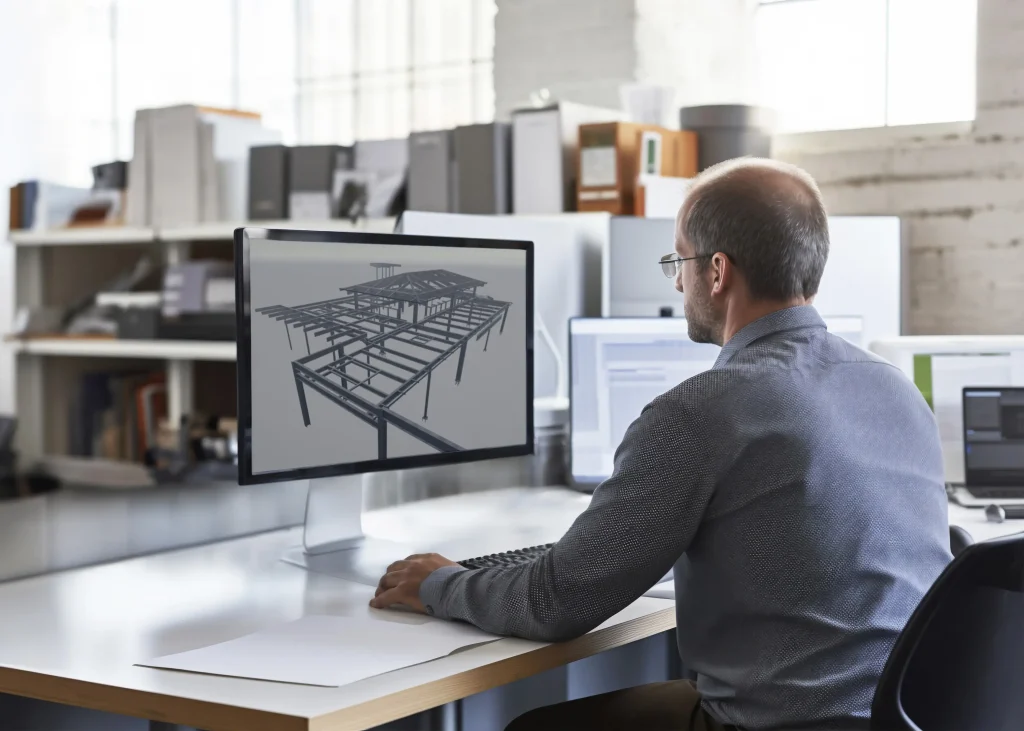
Steel detailing has come a long way from manual sketches and 2D blueprints. Today, in 2026, AI is accelerating this evolution by infusing intelligence into every stage of the process. We believe understanding this shift is crucial for any professional in the field, as it highlights opportunities to modernize workflows and stay ahead.
Traditional vs. AI-Enhanced Detailing
Traditionally, steel detailing involved labor-intensive processes: engineers and detailers would pore over designs, manually calculate connections, and draft shop drawings that often required multiple revisions. This approach was prone to human error, leading to clashes during fabrication or erection that could delay projects by weeks and inflate costs. Contrast this with AI-enhanced detailing, where algorithms handle the heavy lifting. For instance, AI systems can now automatically generate detailed drawings from 3D models, incorporating standards like AISC guidelines without constant oversight. We’ve observed that this not only speeds up production but also ensures compliance, turning what was once a bottleneck into a seamless operation.
In our experience working with fabricators, the transition from traditional methods to AI-driven ones has reduced drawing production time by up to 50%. Tools like advanced BIM software integrated with AI modules allow for real-time updates, where changes in one part of the model propagate intelligently across all related drawings. This eliminates the silos that plagued older workflows, fostering a more collaborative environment.
Why 2026 Marks a Turning Point
2026 is pivotal because AI technologies have matured beyond prototypes. With widespread adoption of machine learning and generative design, the industry is witnessing a surge in automation. Industry reports indicate that over 70% of AEC firms are now investing in AI, driven by the need to address labor shortages and rising material costs. We see this as a turning point where AI moves from optional enhancement to essential tool. For steel detailers, this means automating shop drawing production isn’t just efficient—it’s a necessity to compete in bids and deliver on tight timelines.
Moreover, regulatory pushes for sustainable construction are amplifying AI’s role. By optimizing steel usage through predictive algorithms, detailers can minimize waste, aligning with global standards like LEED certifications. As we move forward, embracing these changes positions your team for long-term success.

Core AI Technologies Driving Automation
At the heart of AI’s impact on steel detailing are specific technologies that automate complex tasks. We recommend familiarizing yourself with these to identify how they fit into your workflow.
Machine Learning for Predictive Modeling
Machine learning (ML) is a cornerstone of AI automation in steel detailing. These algorithms learn from vast datasets of past projects, predicting optimal designs and identifying potential issues before they arise. For shop drawing production, ML can automate the creation of connection details, such as bolted or welded joints, by analyzing load requirements and material properties.
Applications in Clash Detection
One standout application is automated clash detection. In traditional detailing, clashes—where structural elements interfere—often go unnoticed until fabrication. ML-powered tools scan 3D models in seconds, flagging conflicts with 95% accuracy. We’ve implemented these in projects where AI reduced rework by 75%, saving thousands in labor and materials. By integrating ML with software like Tekla Structures or SDS2, detailers can generate clash-free shop drawings automatically, complete with annotations and dimensions.
Generative AI for Design Optimization
Generative AI takes automation further by creating multiple design iterations based on input parameters. In steel detailing, this means inputting constraints like budget, loads, and site conditions, and letting the AI propose optimized shop drawings. For example, it can suggest lighter steel sections that maintain structural integrity, reducing material costs by 15-25%. We find this particularly useful in complex projects, such as high-rise buildings, where generative tools accelerate the path from concept to production-ready drawings.
Natural language processing (NLP), a subset of AI, is also gaining traction. Detailers can now use voice commands or text inputs to modify drawings, making the process more intuitive. This integration with CAD tools like AutoCAD’s AI features streamlines workflows, allowing even non-experts to contribute effectively.
How AI Automates Shop Drawing Production Step by Step
Understanding the step-by-step automation process demystifies AI’s role and shows how it can be transactional—directly applicable to your daily operations. Let’s break it down.
From 3D Models to Automated Drawings
The journey begins with a 3D BIM model. AI tools ingest this model and use computer vision to recognize elements like beams, columns, and braces. From there, automation kicks in: algorithms generate shop drawings, including part lists, assembly views, and erection sequences. In 2026, features like rule-based macros ensure drawings adhere to custom standards, such as those for seismic zones.
We’ve guided clients through this by starting small—automating simple connections first—before scaling to full projects. The result? Shop drawings produced in hours, not days, with embedded data for CNC machines.
Integration with Fabrication Tools
AI doesn’t stop at drawing creation; it bridges to fabrication. Automated outputs feed directly into CNC files, ensuring precision cuts and welds. This end-to-end automation minimizes human intervention, reducing errors from misinterpretation. For instance, AI can optimize nesting patterns on steel plates, maximizing material use and cutting waste. In our collaborations, this integration has boosted fabrication efficiency by 30%, making it a key selling point for detailers offering comprehensive services.
Benefits for Steel Fabricators and Detailers
Adopting AI in steel detailing yields tangible benefits that go beyond automation. We emphasize these to help you justify the investment.
Efficiency Gains and Cost Savings
AI’s automation of shop drawing production slashes time-to-delivery. What used to take a team days can now be accomplished in minutes through generative algorithms. This efficiency translates to cost savings—up to 20-30% on labor alone. Fabricators benefit from faster turnarounds, winning more contracts in competitive markets. Additionally, predictive maintenance features in AI tools forecast equipment needs, preventing downtime.
Improved Accuracy and Reduced Rework
Accuracy is where AI shines. By learning from historical data, it minimizes errors in dimensions and connections. We’ve seen projects where AI-driven detailing cut on-site rework by 90%, avoiding costly delays. This reliability enhances client trust, leading to repeat business and referrals.
Sustainability is another perk: AI optimizes designs for minimal steel use, supporting eco-friendly practices without compromising strength.

Overcoming Challenges in AI Adoption
While the advantages are clear, challenges exist. We address them head-on to ensure smooth implementation.
Training and Skill Development
A common hurdle is upskilling teams. AI tools require familiarity, but they don’t replace jobs—they augment them. We suggest starting with vendor-led training, like those from Autodesk or ALLPLAN, focusing on practical applications. Pilot programs on small projects build confidence, turning skeptics into advocates.
Data Security and Integration
Data privacy is paramount, especially with cloud-based AI. Choose tools with robust encryption and compliance certifications. Integration with legacy systems can be tricky, but open APIs in modern software like SDS2 2026 facilitate seamless connections. We’ve helped firms by conducting audits to identify compatibility issues early, ensuring a hassle-free rollout.
Future Outlook: AI Trends Beyond 2026
Looking ahead, AI in steel detailing will integrate with emerging tech like digital twins and IoT for real-time monitoring. Generative design will evolve to include voice-activated CAD, and fully automated workflows from model to machine will become standard. We predict a 50% increase in AI adoption by 2030, driven by these innovations. For detailers, staying informed through industry forums and updates is key to capitalizing on these trends.
FAQs

How does AI specifically automate shop drawing production in steel detailing? AI uses machine learning to analyze 3D models, automatically generating drawings with connections, dimensions, and material lists. This process incorporates standards and detects errors, reducing manual input significantly.
Will AI replace steel detailers in 2026? No, AI automates routine tasks like drafting and clash detection, allowing detailers to focus on complex problem-solving and innovation. It’s a tool that enhances, rather than replaces, human expertise.
What are the initial steps for implementing AI in my steel detailing workflow? Begin with assessing your current tools, then select AI-integrated software like Tekla or AutoCAD. Invest in training, start with a pilot project, and measure ROI through time savings and error reductions.
Conclusion
As we’ve explored, AI in steel detailing for 2026 is revolutionizing shop drawing production through automation, offering unprecedented efficiency, accuracy, and cost savings. From machine learning’s predictive powers to generative AI’s design optimizations, these technologies empower fabricators and detailers to tackle complex projects with confidence.