Skip to content

In the competitive US steel fabrication market of 2026, choosing the right detailing platform can make the difference between winning profitable bids and struggling with thin margins. We have worked side-by-side with American fabricators from coast to coast — from family-owned shops in the Midwest to large structural steel operations in Texas and California — helping them evaluate and implement detailing software that delivers measurable results. After supporting hundreds of projects under AISC standards, tight schedules, and demanding quality requirements, we have clear insights into which platforms consistently produce superior outcomes for US fabricators.
This comprehensive guide compares the leading detailing solutions available this year and reveals which ones deliver the best real-world results for American fabrication shops. We focus on practical metrics that matter most to US fabricators: speed to fabrication, drawing quality, code compliance, cost per ton, field fit-up success, and overall profitability. By the end, you will have a clear roadmap to select the platform that best supports your shop’s success in 2026.
The Unique Needs of US Fabricators in Today’s Market
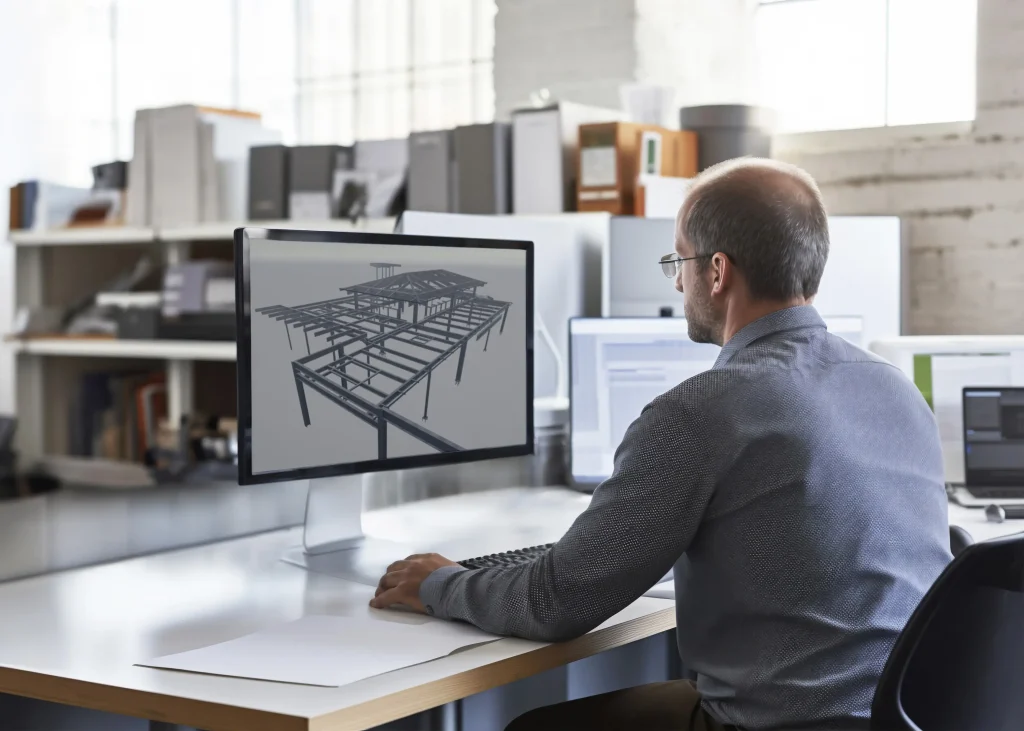
US fabricators face distinct challenges that directly influence software performance. Strict AISC 360 and 341 compliance, Buy American requirements, fast-track schedules driven by labor shortages, and the need for seamless integration with shop CNC equipment all play major roles. We have seen many shops lose valuable time and money using platforms not optimized for American standards and workflows.
The best detailing platforms for US fabricators in 2026 must excel in three key areas: rapid production of code-compliant shop drawings, intelligent automation that respects common US connection preferences, and strong integration with domestic fabrication management systems. Platforms that understand typical US practices — such as standard bolt sizes, welding symbols, camber requirements, and erection tolerances — consistently deliver better results than more generic or international-focused tools.
Tekla Structures Performance for US Fabricators
Tekla Structures continues to deliver excellent results for US fabricators working on complex, design-build, or architecturally demanding projects. Its powerful BIM capabilities and 2026 AI enhancements make it particularly strong when coordination with engineers, architects, and other trades is critical.
In 2026, Tekla’s AI Cloud Fabrication Drawings feature has become a game-changer for many American shops. The system learns from your past projects and suggests optimized drawing layouts that align with US standards and your shop preferences. We have clients in the Southeast reporting 35-50% faster drawing production on repeat commercial projects after implementing these AI tools.
Tekla excels at handling the complex geometry often found in stadiums, airports, and high-end commercial work common in US markets. Its robust clash detection and Trimble Connect collaboration tools help reduce RFIs and change orders — issues that can quickly erode margins for US fabricators. Integration with Trimble PowerFab provides end-to-end visibility that many large fabricators find invaluable for tracking production and meeting aggressive delivery dates.
However, Tekla can have a steeper learning curve and higher resource requirements, which sometimes slows initial results for smaller US shops with limited IT support.

SDS/2: Strong Results for High-Volume American Fabrication
For the majority of US fabricators focused on standard structural steel, industrial, and warehouse projects, SDS/2 frequently delivers the best overall results in 2026. Its deep fabrication intelligence and rule-based automation align exceptionally well with typical American shop practices.
The 2026 version brings meaningful performance improvements with faster drawing generation, expanded material support, and enhanced AISC code checking. Many Midwest and Southern fabricators we work with achieve 1,400 to 2,000 tons per detailer per month on standard work — numbers that directly translate into more projects completed and more bids won.
SDS/2’s automatic connection design respects common US preferences and produces highly constructible details that perform well in the field. We regularly see first-time fit-up success rates above 97% when shops follow proper implementation practices. The software’s efficient hardware requirements also make it easier to roll out across larger detailing teams without major technology investments.
For US fabricators who need to move steel quickly through the shop while maintaining AISC compliance, SDS/2 often provides faster ROI and more predictable results than more flexible but complex alternatives.
Advance Steel Results Within the Autodesk Ecosystem
Autodesk Advance Steel remains a solid performer for many smaller to mid-sized US fabricators, especially those already invested in AutoCAD or Revit workflows. Its seamless integration with other Autodesk tools makes it attractive for shops that collaborate closely with design firms using Revit.
While it may not match the raw automation power of SDS/2 or the BIM depth of Tekla, Advance Steel delivers reliable, cost-effective results for miscellaneous steel, smaller structural packages, and hybrid projects. The 2026 improvements in Revit interoperability help reduce coordination time for US fabricators working in integrated project delivery environments.
Many fabricators appreciate Advance Steel’s more accessible pricing and shorter learning curve, which allows quicker productivity gains for teams with limited detailing staff.
Head-to-Head Results Comparison for US Fabricators
When we analyze actual project data from US shops in 2026, clear patterns emerge:
- Speed and Throughput: SDS/2 leads for standard work, with many clients achieving 30-45% faster detailing cycles than previous systems. Tekla follows closely on complex jobs thanks to AI assistance.
- Drawing Quality and Field Performance: Both Tekla and SDS/2 produce excellent results, but SDS/2 often edges out for typical US structural steel due to its fabrication-focused intelligence. Tekla shines when projects involve significant coordination or custom elements.
- Code Compliance and Standards: All three platforms handle AISC requirements well, but SDS/2 and Tekla offer more automated checking that reduces compliance risks for busy US fabricators.
- Cost per Ton: SDS/2 and Advance Steel frequently deliver lower effective costs for mid-volume shops. Tekla provides strong value on larger or more complex contracts where its coordination strengths reduce overall project costs.
- Scalability: Tekla offers superior performance as shops grow beyond 2,000 tons per month or expand into more complex work. SDS/2 scales very effectively for the majority of American fabricators.
Many successful US fabricators use a hybrid approach: SDS/2 for core production work and Tekla for specialty or client-mandated BIM projects. This strategy consistently produces the best combined results across diverse project portfolios.
Implementation Factors That Drive Better Results
Software selection is only the beginning. We have found that proper implementation determines 60-70% of the final results US fabricators achieve.
Creating detailed standards manuals that capture your shop’s preferred connections, drawing styles, and quality checkpoints is essential. Investing in targeted training and phased rollout helps teams reach full productivity faster. Regular performance reviews and continuous library development ensure results continue improving over time.
We recommend starting with a pilot project on your most common project type. Measure key metrics — hours per ton, revision rates, RFI frequency, and field issues — before committing to full adoption. This data-driven approach helps US fabricators make confident decisions that align with their specific operation.
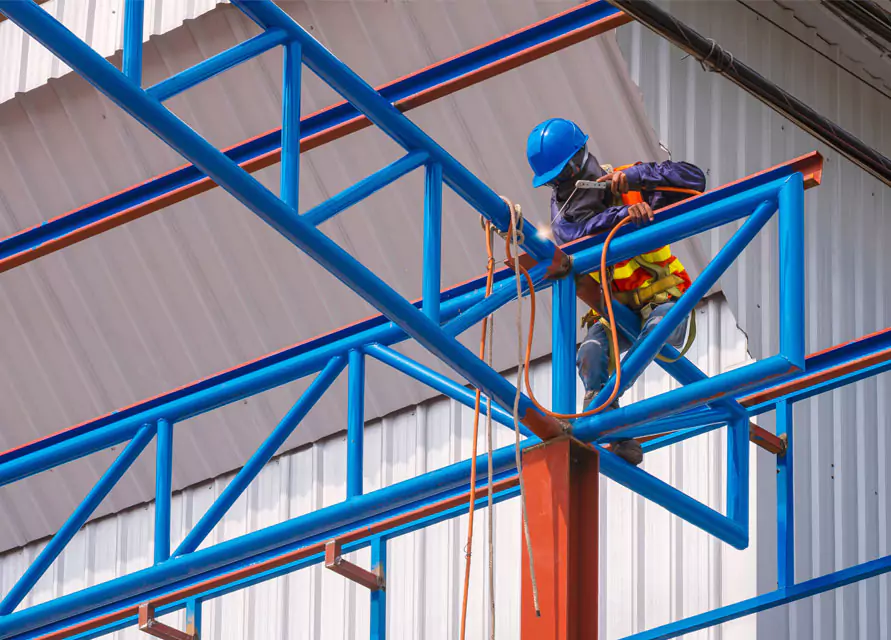
Overcoming Common Challenges for US Fabricators
Labor shortages and experienced detailer scarcity remain major concerns. Platforms with strong automation and faster learning curves, like SDS/2, help mitigate these issues by allowing newer team members to become productive more quickly. Cloud collaboration features across all major platforms also enable US fabricators to tap into remote detailing support when needed without sacrificing quality or control.
Frequently Asked Questions
Which platform delivers the best results for a typical mid-sized US fabricator in 2026? For most mid-sized American fabricators handling standard structural steel, SDS/2 currently offers the strongest overall results due to its speed, automation, and alignment with US shop practices. Larger fabricators or those with complex architectural work often achieve better outcomes with Tekla Structures. We help clients run detailed evaluations using their actual projects to identify the ideal fit.
How quickly can a US fabrication shop expect to see improved results after switching platforms? With proper implementation, most shops notice measurable improvements within the first 2-3 projects. Full optimization and maximum results typically materialize within 4-6 months as standards libraries mature and the team gains experience. SDS/2 usually delivers faster initial gains, while Tekla offers larger long-term benefits on varied work.
Is a hybrid approach using multiple detailing platforms practical for US fabricators? Yes, and it is becoming increasingly common among successful shops. Many US fabricators use SDS/2 for the majority of their production work and Tekla for complex or BIM-heavy projects. This strategy provides maximum flexibility and often produces the best overall results across different contract types.
Conclusion

For US fabricators in 2026, SDS/2 currently edges out as the platform delivering the best overall results for the majority of standard structural steel work, while Tekla Structures excels on complex, collaborative, or high-profile projects. Advance Steel remains a strong, cost-effective option for shops operating within the Autodesk ecosystem. The optimal choice ultimately depends on your project mix, team size, growth plans, and specific operational needs.
We have helped numerous American fabricators evaluate these platforms, implement the right solution, and achieve significant improvements in productivity, quality, and profitability. The fabricators seeing the strongest results treat detailing software as a strategic investment rather than just another expense.