Skip to content
In the high-stakes world of structural steel projects, we understand the intense pressure fabricators and contractors face every day. Tight deadlines combined with rising material and labor costs create a difficult balancing act. Steel detailing, which typically accounts for 12-18% of total project expenses, often becomes the bottleneck that threatens both budgets and schedules. The good news is that we have helped dozens of teams achieve major cost savings of 25-40% in detailing while consistently beating aggressive deadlines. This guide shares the exact strategies we use to deliver high-quality results faster and more affordably.
We know you cannot afford to sacrifice accuracy or safety for speed. That is why our approach focuses on intelligent efficiency rather than risky shortcuts. Whether you are managing a 300-ton retail building or a 5,000-ton industrial facility, these proven methods will help you reduce expenses and deliver on time—every time.

The Growing Challenge of Cost Control and Schedule Pressure in Steel Detailing
Modern construction schedules have compressed dramatically. What once took 10-12 weeks for detailing now needs to be completed in 4-6 weeks or less. At the same time, labor shortages and software costs continue to push detailing expenses higher. We regularly see fabricators caught between owners demanding faster delivery and the reality of limited in-house resources.
Traditional detailing methods—relying heavily on manual 2D drafting and sequential workflows—simply cannot keep pace. Every revision cycle eats into the schedule and inflates costs through overtime and rushed work. We have analyzed hundreds of projects and identified three primary cost drivers: excessive labor hours, inefficient communication, and preventable errors discovered too late in the process.
When detailing falls behind, the ripple effects are costly. Fabrication stalls, erection crews wait idle, and penalty clauses loom. We believe the solution lies in combining smart technology, optimized processes, and strategic capacity management to create a lean, fast, and accurate detailing operation.
Proven Strategies to Slash Detailing Costs Without Compromising Speed
We have refined a multi-layered approach that consistently delivers substantial savings while accelerating delivery. The foundation begins with early project assessment and intelligent planning.
One of the most effective tactics we implement is front-loaded standardization. By developing comprehensive connection libraries and parametric templates tailored to your shop preferences, we eliminate repetitive design work. This alone can reduce modeling time by 30-35% on subsequent projects.
Another powerful lever is phased model delivery. Instead of waiting for a complete 100% package, we release approved models in stages—primary framing first, followed by connections and secondary steel. This allows fabrication to begin weeks earlier while final detailing continues in parallel. Fabricators using this method routinely start cutting steel 10-14 days ahead of traditional schedules.
We also emphasize proactive clash detection and coordination. Running regular interference checks during modeling prevents costly field modifications. By integrating architectural and MEP models early, we catch conflicts before they reach the shop floor. This attention to detail in the virtual environment saves thousands in rework and keeps projects on track.

Leveraging Advanced Technology for Faster, More Affordable Detailing
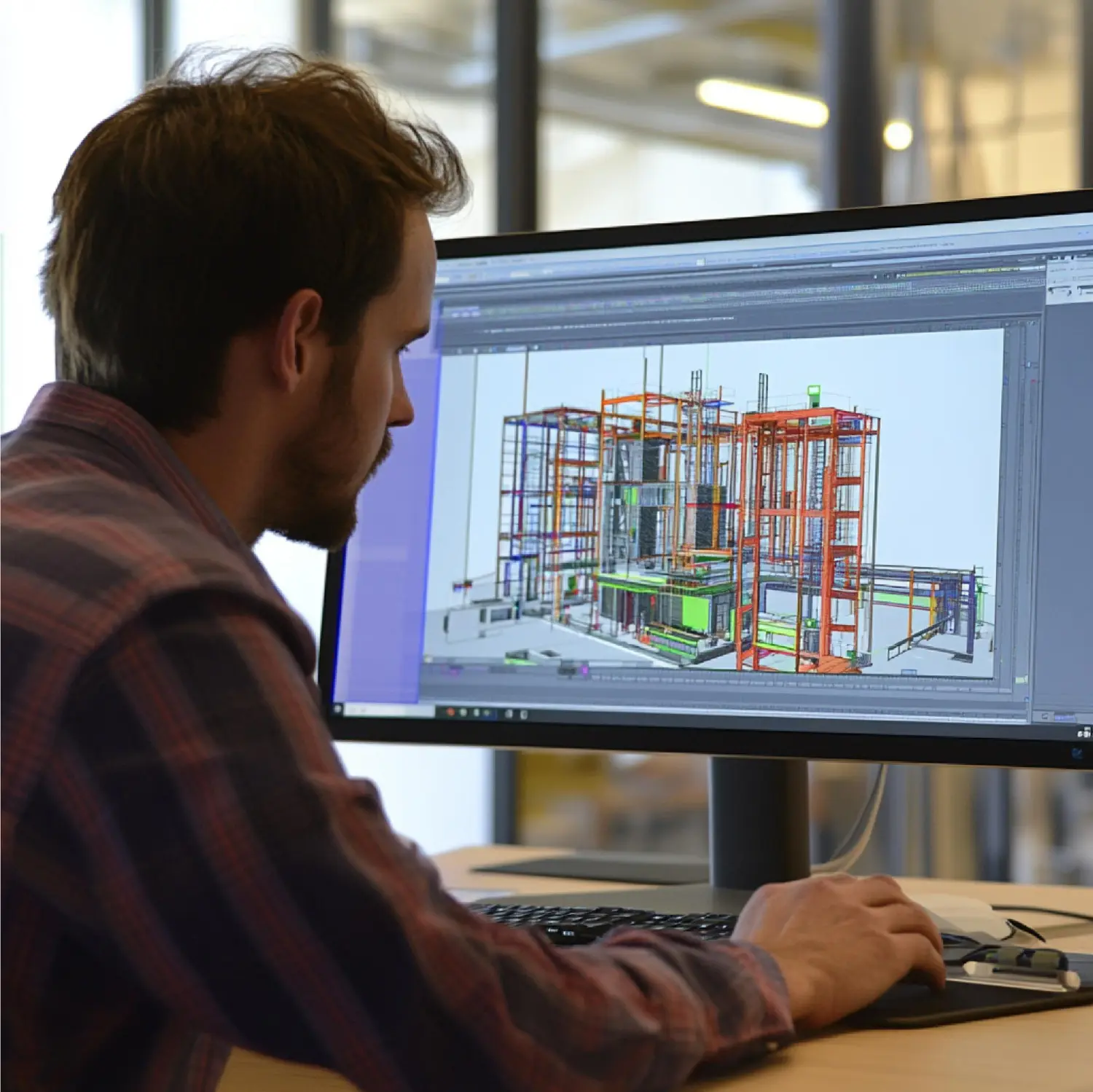
Technology is the greatest enabler of simultaneous cost reduction and schedule compression. We strongly recommend full adoption of 3D BIM platforms such as Tekla Structures, SDS/2, or Advance Steel. These tools do far more than create pretty models—they automate drawing creation, generate accurate CNC files, and maintain live links between the model and all documentation.
Automation features such as macros for standard connections, batch drawing export, and intelligent reporting can cut production time dramatically. We have seen teams increase output from 600 tons per detailer per month to over 1,200 tons after proper implementation and training. The initial investment pays for itself within 2-3 projects through reduced labor and faster turnaround.
Cloud-based collaboration platforms take efficiency even further. Real-time model sharing eliminates version control issues and allows engineers, detailers, and fabricators to work from a single source of truth. Markups happen instantly instead of through lengthy email chains. We schedule focused coordination meetings around these tools, keeping sessions short but highly productive.
For teams concerned about technology costs, we suggest starting with modular add-ons and subscription models that scale with workload. Many providers now offer flexible licensing that aligns perfectly with project-based work, avoiding expensive year-round commitments.
Optimizing Team Workflows and Strategic Capacity Management
Even the best software delivers limited results without streamlined processes. We help clients redesign their detailing workflows from the ground up. Clear checklists, standardized approval gates, and defined responsibilities reduce decision fatigue and prevent costly mistakes.
Cross-training is another area where we see rapid returns. When detailers understand fabrication constraints and erectors provide early input on constructability, the entire process becomes smoother and faster. We recommend weekly knowledge-sharing sessions focused on lessons learned from recent projects.
Strategic capacity management often provides the biggest breakthrough for meeting tight deadlines while controlling costs. Rather than maintaining a large in-house team for peak loads, we guide clients toward hybrid models that combine internal expertise with reliable external support. This approach offers unlimited scalability without fixed overhead during slower periods.
When evaluating external partners, we focus on those with proven track records in fast-track projects, identical software platforms, and strong English communication skills with overlapping time zones. A well-structured pilot project quickly demonstrates whether the partnership will deliver the required speed and quality.

Measuring Results and Ensuring Continuous Improvement
We never implement changes without rigorous measurement. Key performance indicators we track include:
- Cost per ton of detailed steel
- Hours per drawing sheet
- Revision rate as a percentage
- On-time delivery percentage
- Field fit-up success rate
Monthly reviews of these metrics allow us to fine-tune processes and capture additional savings. Many clients see compounding benefits over time as workflows mature and teams gain confidence with new methods.
We also conduct quarterly process audits to identify emerging bottlenecks before they impact deadlines. Small adjustments—updating template libraries, refining clash rules, or adjusting communication protocols—keep performance high and costs trending downward.
Frequently Asked Questions
How much can we realistically save while still meeting very tight deadlines? In our experience, well-executed strategies deliver 25-40% cost reductions even on accelerated schedules. The key is proper planning and the right combination of technology and capacity management. We have multiple case studies showing projects completed 2-3 weeks ahead of schedule with significantly lower detailing expenses.
Will adopting these methods require a large upfront investment? Not necessarily. Many improvements, such as workflow standardization and phased delivery, require minimal capital. Technology upgrades can be phased in gradually using flexible licensing. We work with clients to prioritize actions that deliver the fastest ROI while supporting immediate project deadlines.
How do we maintain quality control when accelerating the detailing process? Quality actually improves when using these methods. Automated checks, early clash detection, and structured QA gates catch issues earlier than traditional approaches. We implement multiple review layers and maintain clear accountability throughout the process to ensure every drawing meets the highest standards.
Conclusion
Achieving major cost savings in steel detailing while meeting tight project deadlines is not only possible—it has become a competitive necessity in today’s market. By combining intelligent planning, advanced technology, optimized workflows, and strategic capacity management, we help teams reduce expenses substantially without ever compromising quality or safety.
The fabricators and contractors who thrive in the coming years will be those who embrace these modern approaches. They will deliver projects faster, win more bids through competitive pricing, and build stronger reputations for reliability.