Skip to content
In today’s competitive construction landscape, steel detailing remains one of the most critical yet expensive phases of any structural project. We have worked with contractors, fabricators, and engineering firms across the globe, and we consistently see the same pattern: detailing costs can quietly consume 10 to 15 percent of the total steel package budget if left unchecked. The good news is that significant savings are possible—often 20 to 40 percent—without sacrificing accuracy, safety, or compliance. We are here to share practical, proven approaches that deliver real results while keeping quality at the forefront.
We know how frustrating it feels when revision cycles stretch timelines and inflate invoices. Whether you manage a mid-sized fabricator or oversee multimillion-dollar infrastructure developments, the pressure to control costs has never been greater. That is why we focus on strategies that combine smarter processes, better technology, and strategic partnerships. By the end of this guide, you will have a clear roadmap to trim expenses while maintaining the precision that steel structures demand.
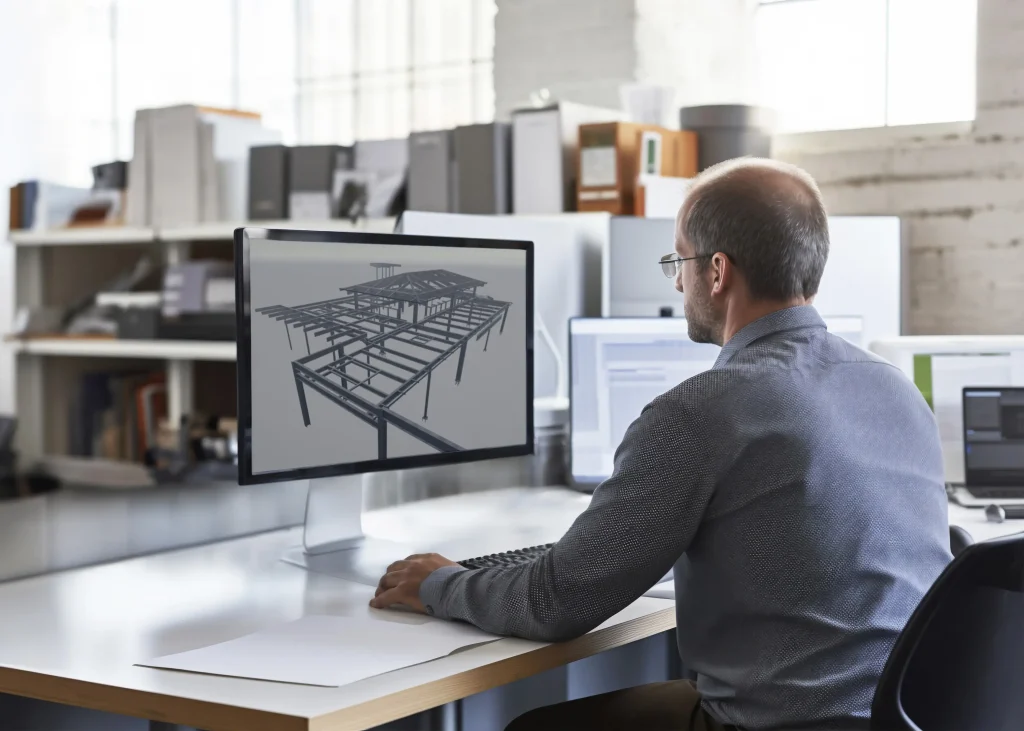
Understanding the True Cost Drivers in Steel Detailing
Before we can reduce steel detailing costs, we must first identify exactly where the money is going. Traditional 2D drafting methods still dominate many shops, and they come with hidden expenses that add up fast. Labor hours for manual dimensioning, repeated back-and-forth with engineers, and error corrections during fabrication are the usual suspects. We have analyzed hundreds of projects, and labor typically accounts for 60 to 70 percent of total detailing fees. Add in software licensing, plotter supplies, and the opportunity cost of delayed shop drawings, and the numbers become eye-opening.
Another major driver is scope creep. When initial drawings lack clear connection details or clash detection, change orders multiply. We often see fabricators absorbing rework costs because the original detailing package did not anticipate real-world erection tolerances. Material waste from misfabricated members is another silent budget killer. Even small inaccuracies in hole placement or weld symbols can lead to expensive field fixes.
We also notice that many teams underestimate the impact of poor communication between the detailer, fabricator, and erector. When information flows through scattered emails and outdated PDFs, misunderstandings arise. These soft costs—delays, overtime, and lost productivity—frequently exceed the line-item detailing invoice itself. By shining a light on these drivers, we empower you to target the right areas for improvement rather than applying blanket cuts that compromise quality.
Smart Technology Investments That Pay for Themselves
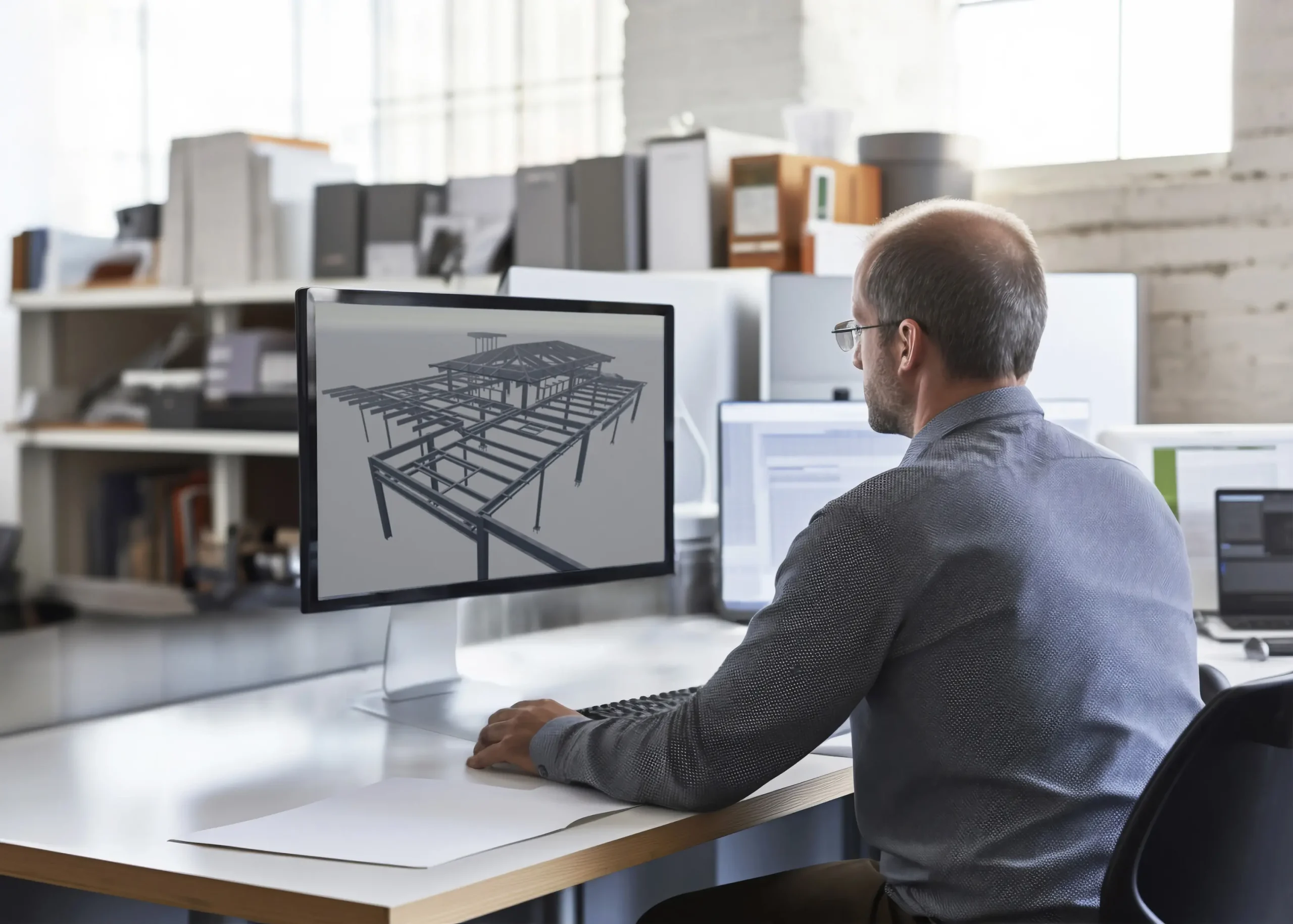
We believe the fastest way to slash steel detailing costs is by embracing modern 3D modeling and automation tools. Moving from 2D CAD to full BIM environments like Tekla Structures, SDS/2, or Revit Steel can reduce modeling time by up to 50 percent on repeat projects. These platforms allow us to create intelligent models that automatically generate bills of materials, CNC files, and erection drawings with minimal manual input. The upfront software investment quickly offsets itself through fewer errors and faster turnaround.
Automation features are game-changers. Macros that standardize connection libraries, clash-detection routines that run in the background, and parametric templates for common members eliminate repetitive work. We have helped clients implement these tools and watched their detailing output per engineer jump from 800 tons per month to over 1,400 tons without adding headcount. Quality actually improves because the software enforces design standards and flags inconsistencies early.
Cloud-based collaboration platforms take efficiency even further. Real-time model sharing means engineers, detailers, and fabricators work from a single source of truth. Markups happen instantly instead of through slow PDF cycles. We recommend starting with a pilot project to measure before-and-after metrics. Track hours spent per ton, revision counts, and RFI frequency. The data will prove the ROI within weeks.
For smaller operations hesitant about large licensing fees, we suggest modular add-ons or subscription models that scale with workload. Many providers now offer pay-per-project pricing, letting you test advanced features without long-term commitment. Pair these tools with proper training—short, focused sessions rather than generic webinars—and your team will adopt them quickly. We have seen productivity gains compound when detailers master keyboard shortcuts and custom components, turning hours of drafting into minutes of review.

Streamlining Workflows and Team Collaboration
Technology alone is not enough; we must optimize the human side of steel detailing too. We advocate for standardized workflows that reduce handoffs and decision fatigue. Create clear checklists for every project phase: model setup, connection assignment, drawing issuance, and final QA. When everyone follows the same sequence, errors drop and speed increases.
Cross-training is another powerful lever. We encourage detailers to understand basic fabrication and erection realities. A detailer who grasps how beams are cambered or how columns are spliced on site produces drawings that require far fewer revisions. Similarly, fabricators who learn simple modeling tricks can provide early feedback that prevents costly changes later.
We also recommend implementing digital approval gates. Instead of waiting for full drawing packages, release model views for review as soon as major assemblies are complete. This parallel processing shortens the critical path dramatically. Project management software with built-in Gantt charts and automated notifications keeps everyone aligned. We have watched teams cut total detailing duration by 25 percent simply by replacing weekly status meetings with real-time dashboards.
Another area ripe for savings is accurate upfront estimating. We urge clients to invest time in parametric takeoff tools that link directly to the model. Guessing tonnage or connection quantities leads to underbidding or surprise change orders. When estimates are model-driven from day one, you bid with confidence and avoid margin erosion.
Strategic Outsourcing Without Compromising Quality
Outsourcing steel detailing has become a mainstream cost-reduction tactic, but we approach it with caution and structure. Done correctly, it can cut expenses by 30 to 50 percent while maintaining—or even improving—quality. The key is choosing partners who follow your exact standards, use compatible software, and communicate in your time zone.
We help clients build robust outsourcing frameworks. Start with a detailed scope of work that includes connection preferences, drawing formats, and QA protocols. Require sample drawings on a test project before committing volume. Video kickoff calls and weekly progress reviews keep alignment tight. Many of our partners in cost-effective regions are ISO-certified and use the same Tekla or SDS/2 versions we do, eliminating compatibility headaches.
Quality assurance does not end at the border. We insist on independent third-party audits for the first few projects and random spot checks thereafter. Digital model reviews via cloud links let us catch issues before drawings are issued. When fabricators receive accurate, fabrication-ready packages, shop errors plummet and erection goes smoothly—proving that lower cost does not mean lower quality.
We also advise hybrid models. Keep complex or proprietary work in-house and outsource standard beams, columns, and bracing. This balance preserves institutional knowledge while freeing internal resources for high-value tasks. Over time, you can train remote teams to handle more sophisticated elements, continuously driving costs down.
Measuring Success and Sustaining Long-Term Savings
We never stop at implementation. The best steel detailing cost reductions come from continuous measurement and refinement. Establish KPIs such as cost per ton, hours per drawing sheet, revision rate, and on-time delivery percentage. Review these monthly and celebrate wins with the team. When metrics improve, share the financial impact with stakeholders—it builds buy-in for future investments.
We recommend annual process audits. Bring in an external expert or use internal cross-functional teams to benchmark against industry averages. Small tweaks—updating connection libraries, refining clash rules, or adjusting approval workflows—keep gains compounding. Technology evolves rapidly; staying current prevents your savings from eroding.
Finally, foster a culture that values efficiency without cutting corners. Reward detailers for proactive error prevention rather than sheer output volume. When quality and speed are both celebrated, teams naturally deliver better results at lower cost.
Frequently Asked Questions
How much can we realistically save on steel detailing costs using these strategies? Most clients we work with achieve 20 to 40 percent reductions within the first year. Savings depend on current processes, project complexity, and adoption speed. Simple workflow changes and basic automation often deliver 15 percent quickly, while full BIM migration and smart outsourcing push results higher. We provide customized assessments to set realistic targets based on your specific operation.
Will switching to 3D modeling and outsourcing affect the quality of our steel shop drawings? Not when implemented thoughtfully. Modern BIM tools actually enhance accuracy through automatic clash detection and parametric intelligence. Quality-focused outsourcing partners follow your exact standards and undergo rigorous vetting. We have multiple case studies where error rates dropped after the transition because models catch issues that 2D drawings miss.
What is the best first step for a fabricator with limited budget? Begin with workflow standardization and free or low-cost automation macros within your existing software. Next, pilot a small project with a reputable outsourcing partner. These low-risk moves generate immediate savings and build momentum for larger technology investments. We offer free initial consultations to help you prioritize actions that fit your current resources.
Conclusion
Reducing steel detailing costs does not require risky shortcuts or quality trade-offs. By understanding true cost drivers, investing wisely in technology, streamlining workflows, and partnering strategically, we can deliver substantial savings that flow straight to your bottom line. We have guided countless teams through these exact transformations, and the results speak for themselves: faster projects, fewer RFIs, happier clients, and healthier margins.