Skip to content

In the competitive landscape of structural steel manufacturing, high-quality shop drawings serve as the foundation for efficient, error-free production. When these drawings are precise, clear, and thoughtfully designed, they dramatically speed up workflows, reduce costly rework, and help fabrication shops meet tight delivery schedules demanded by today’s construction projects. We understand the real-world pressures facing American steel manufacturers in 2026—persistent labor shortages, rising material costs, increasing project complexity, and the need to maximize output from advanced CNC equipment.
Poor shop drawings create unnecessary bottlenecks that slow down cutting, drilling, welding, and assembly processes. Conversely, well-built shop drawings act as a powerful accelerator, enabling seamless handoff from detailing to manufacturing and allowing your team to focus on value-added fabrication rather than corrections.
We have collaborated with numerous US steel manufacturing operations to optimize their detailing processes and deliver measurable improvements in workflow speed and quality. In this comprehensive guide, we share practical strategies, essential techniques, and actionable steps for building high-quality shop drawings that truly accelerate steel manufacturing workflows. Our goal is to equip you with the knowledge and tools needed to reduce errors, boost productivity, and strengthen your competitive position in the market.
The Impact of Shop Drawings on Steel Manufacturing Efficiency
Shop drawings are far more than technical documents—they are operational blueprints that guide every stage of steel manufacturing. Accurate drawings ensure that CNC machines receive reliable instructions, shop personnel understand exact requirements, and assembly teams can work without constant interruptions for clarifications.
When shop drawings contain ambiguities or errors, the consequences ripple through the entire manufacturing process. Operators may produce incorrect parts, leading to material waste, machine downtime, and schedule recovery efforts that increase costs and strain resources. In 2026, with infrastructure and data center projects driving strong demand, manufacturers cannot afford these inefficiencies.
High-quality shop drawings, on the other hand, create a smooth, predictable workflow. They minimize questions from the shop floor, support direct CNC integration, and ensure that fabricated components fit together correctly the first time. We consistently observe that manufacturers who prioritize superior shop drawings achieve faster production cycles, lower scrap rates, and higher overall throughput, directly improving their bottom line and client satisfaction.
Key Elements of High-Quality Shop Drawings for Accelerated Manufacturing
Building effective shop drawings begins with a commitment to clarity, accuracy, and standardization. Every drawing should follow a consistent layout with logical organization of views, standardized title blocks, and clear revision tracking. This consistency helps your team quickly locate and interpret the information they need without wasting time.
Precision in dimensions and details is non-negotiable. Include fully dimensioned views with explicit tolerances, accurate hole patterns, and properly applied weld symbols according to AISC standards. The most effective drawings originate from intelligent 3D models rather than standalone 2D drafting, ensuring all outputs remain synchronized and error-free.
Intelligent 3D Modeling as the Cornerstone of Efficient Workflows
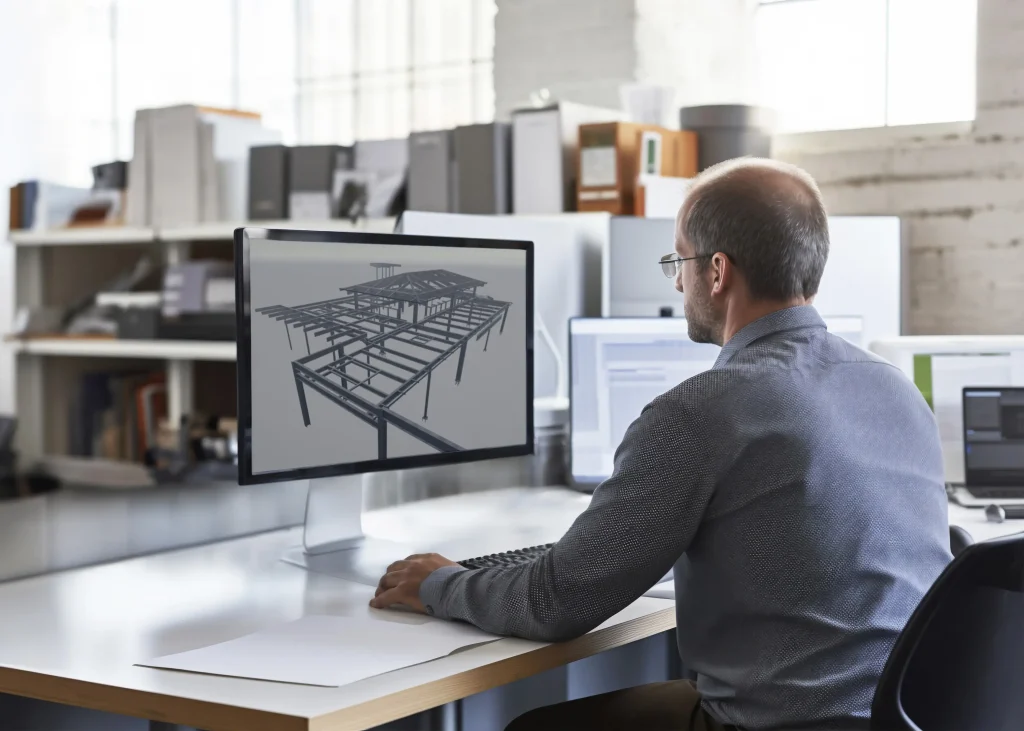
Modern detailing software such as Tekla Structures and SDS/2 enables manufacturers to create data-rich 3D models that automatically generate consistent shop drawings and CNC-ready files. These intelligent models maintain parametric relationships, so updates to connections or member sizes propagate correctly across all related documents.
This single-source approach eliminates many version-control issues that traditionally slow down manufacturing workflows. We recommend incorporating clash detection and automated validation tools early in the process to identify potential problems before they reach the shop floor. The resulting shop drawings provide precise geometry, reliable bills of materials, and detailed connection information that support rapid, confident production.
Design for Manufacturability and Practical Shop Floor Considerations
A critical aspect of high-quality shop drawings is the integration of Design for Manufacturability (DFM) principles. Consider how each component will be processed on your specific CNC equipment and welding stations. Simple optimizations—such as standardizing hole patterns, adjusting cope details, or ensuring adequate access for welding—can significantly accelerate manufacturing speed while reducing the risk of errors.
Include clear part marking, sequencing information, and assembly instructions that align with your production flow. For complex assemblies, add section views, enlarged details, and isometric perspectives that help operators visualize the final product quickly. These practical elements transform shop drawings from static documents into dynamic tools that actively accelerate your steel manufacturing workflows.

Best Practices for Creating and Reviewing Shop Drawings
We advocate a structured, disciplined process for developing high-quality shop drawings. Begin with a comprehensive review of contract documents and engineering drawings to ensure complete understanding of design intent. Build the 3D model using company-standard templates and connection libraries to maintain consistency across projects.
Implement a robust multi-layer quality review system. The primary detailer should perform an initial self-check, followed by an independent reviewer who verifies critical aspects such as dimensions, connections, tolerances, and material accuracy. Leverage automated software tools that flag common issues like edge distance violations or mismatched hole patterns.
Maintain strict revision control through secure cloud-based platforms that track changes and ensure the shop floor always works from the latest approved version. Clear communication of any revisions prevents one of the most common sources of manufacturing delays.
Leveraging Automation and Technology for Faster Turnaround
In 2026, automation features within advanced detailing software offer significant opportunities to accelerate workflows. Parametric modeling, automated drawing generation, direct CNC exports, and AI-assisted connection optimization reduce manual effort while improving accuracy. Many platforms now support cloud collaboration, allowing real-time markups and faster approval cycles.
For manufacturers facing capacity constraints, a hybrid detailing model often delivers excellent results. Retain internal control over complex or proprietary elements while partnering with experienced external detailers for standard framing work. This approach provides access to advanced tools and additional bandwidth without the full cost of expanding your in-house team.
Integrating Shop Drawings with CNC Machines and Production Systems
True acceleration occurs when shop drawings integrate seamlessly with your CNC equipment and shop management software. Ensure drawings include all necessary data for automated cutting, drilling, and marking. Provide clear sequencing that matches your production schedule and nesting optimizations for efficient plate cutting.
Establish feedback loops between the detailing team and manufacturing personnel. When operators encounter unclear details, capture that information systematically and use it to refine future drawing standards. Over time, this collaboration creates continuously improving shop drawings that better support your specific steel manufacturing environment.

Measuring and Optimizing the Performance of Your Shop Drawings
To confirm that your shop drawings are truly accelerating workflows, track key performance indicators. Monitor rework rates, first-pass yield on CNC machines, average production time per ton, material utilization percentages, and the number of shop-floor clarifications required per project. Manufacturers who invest in high-quality drawings typically see substantial improvements across these metrics.
Treat shop drawing development as an ongoing optimization process. Regularly review performance data, incorporate team feedback, and stay current with software updates and industry advancements. Small, consistent improvements in drawing quality compound into significant gains in manufacturing speed and efficiency over time.
Addressing Common Challenges in Building Superior Shop Drawings
Many steel manufacturers encounter obstacles when striving for better shop drawings. Limited detailing resources often force rushed work that compromises quality. Outdated software can restrict automation capabilities and compatibility with modern BIM requirements. Internal resistance to new standards or processes can slow adoption.
We recommend beginning with a pilot project to test enhanced drawing standards on a manageable scope. Document before-and-after results, gather input from both detailing and manufacturing teams, and use the data to build organizational support for broader implementation. Comprehensive training programs and clear documentation help overcome resistance and ensure successful rollout.
Frequently Asked Questions
What features make shop drawings truly high-quality for accelerating steel manufacturing? High-quality shop drawings feature precise dimensions with clear tolerances, accurate connection details and weld symbols, reliable bills of materials, intelligent 3D model integration, and practical annotations that align with your CNC equipment and production workflow. They prioritize clarity, standardization, and Design for Manufacturability to minimize questions and errors on the shop floor.
How can better shop drawings help reduce costs in steel manufacturing? Superior shop drawings reduce costs by lowering rework rates, decreasing material waste, improving CNC machine utilization, and shortening overall production cycles. They minimize shop-floor interruptions and field fit-up issues, allowing manufacturers to deliver projects faster and more profitably while maintaining high quality standards.
Is outsourcing detailing a good option for small to mid-size steel manufacturers? Many small and mid-size manufacturers benefit from a hybrid approach—keeping critical or complex details in-house while outsourcing standard framing to experienced partners. This strategy provides access to advanced software, automation tools, and additional capacity without the full overhead of building a large internal detailing team. Evaluate your current workload and growth objectives to determine the optimal balance.
Conclusion
Building high-quality shop drawings that accelerate steel manufacturing workflows represents one of the most strategic investments available to US fabricators and manufacturers in 2026. By focusing on intelligent 3D modeling, Design for Manufacturability, rigorous quality control, and seamless integration with CNC production systems, you can significantly reduce errors, speed up throughput, and improve overall operational efficiency.
We believe every steel manufacturing operation has the potential to achieve higher performance levels through disciplined and thoughtful detailing practices. Whether you strengthen your internal capabilities, establish productive partnerships with external detailers, or implement hybrid models, the returns from superior shop drawings are clear—lower costs, faster delivery, and stronger competitive advantage.
Take action today by reviewing your current drawing standards, implementing more robust review processes, and exploring opportunities to leverage modern technology and best practices. The manufacturers who commit to excellence in shop drawings will stand out by consistently delivering high-quality steel components with greater speed and reliability.