Skip to content
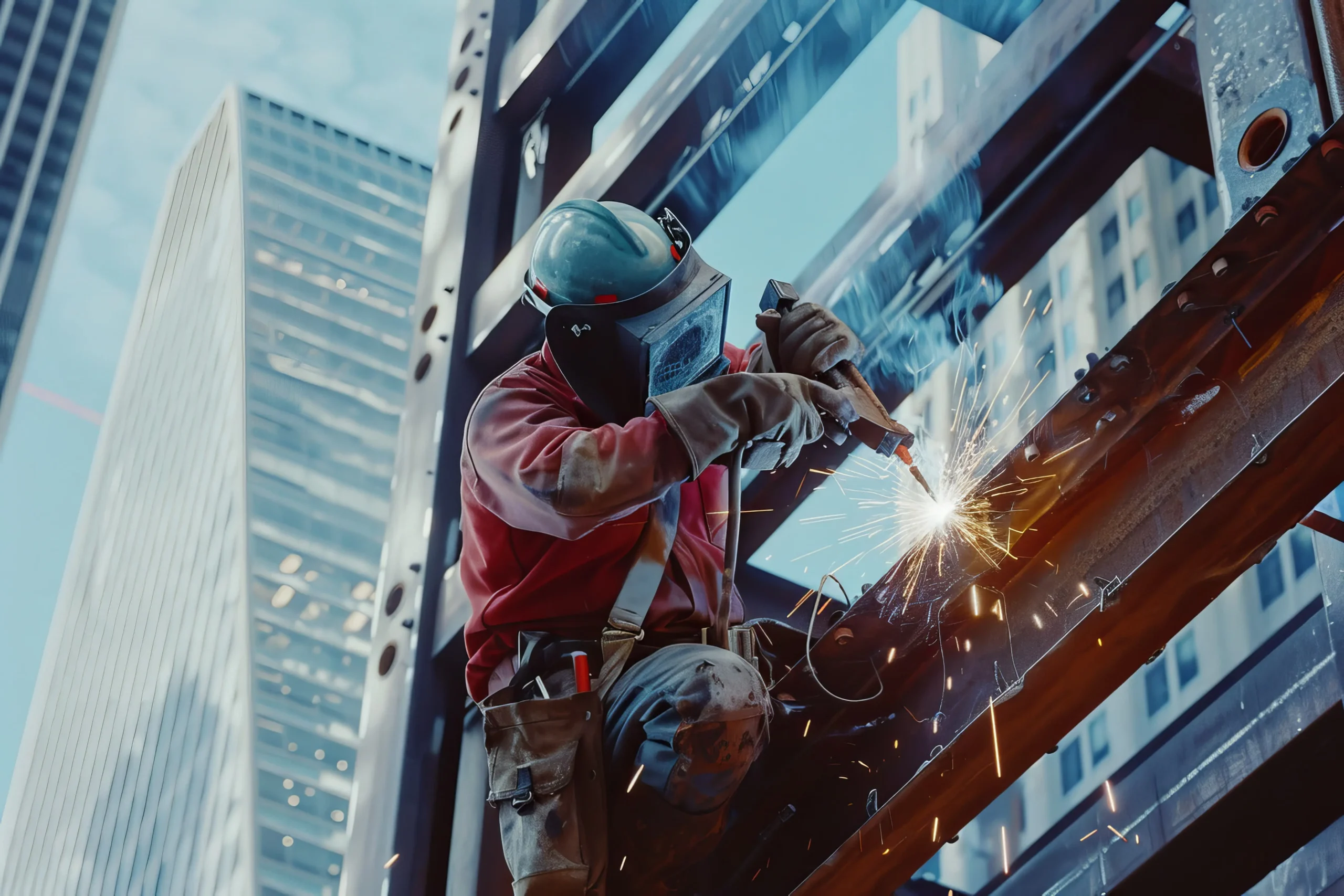
In the demanding environment of structural steel fabrication, shop drawings serve as the critical link between engineering design and actual production. When these drawings are clear, accurate, and well-organized, they dramatically improve workflow efficiency and minimize costly mistakes on the shop floor. We know from experience that many US fabrication shops still face recurring issues—misaligned connections, incorrect hole placements, unclear weld details, and material mismatches—that lead to rework, wasted steel, delayed deliveries, and frustrated clients.
The good news is that shop drawings designed specifically to streamline steel fabrication can solve these problems. By focusing on precision, clarity, and integration with modern fabrication processes, these drawings help your team work faster, safer, and with greater confidence. In 2026, with tight schedules and rising material costs, optimizing your shop drawings is no longer optional—it is a strategic necessity that directly impacts your profitability and competitiveness.
We have helped numerous American fabricators refine their detailing processes to create drawings that reduce errors and accelerate production. In this comprehensive guide, we explore how to design effective shop drawings, the key elements that drive success, practical implementation strategies, and the measurable benefits you can expect. Our goal is to provide you with actionable insights so you can transform your shop drawings from a potential bottleneck into a powerful tool that supports smoother, more profitable steel fabrication.

The High Cost of Poor Shop Drawings in Steel Fabrication
Errors in shop drawings create a cascade of problems throughout the fabrication process. A single dimensional mistake on a beam drawing can result in incorrectly cut members that no longer fit the intended connections. Missing or unclear weld symbols can lead to improper welding procedures, while inaccurate bills of materials cause ordering delays or excess inventory.
We regularly hear from fabricators who lose valuable production time because shop personnel must stop to clarify ambiguous details or wait for revised drawings. These interruptions not only slow down CNC machines and manual workstations but also increase the risk of safety incidents when rushed corrections are made. In today’s competitive market, general contractors expect reliable schedules and minimal field issues—poor shop drawings make it difficult to meet those expectations.
Conversely, well-designed shop drawings act as a roadmap that guides every step of fabrication. They reduce questions from the shop floor, enable smoother CNC operations, and ensure that parts arrive at the erection site ready to install. By investing in better drawings, you protect your margins and build a reputation for consistent, high-quality delivery.
Essential Components of Effective Shop Drawings for Streamlined Fabrication
Creating shop drawings that truly streamline steel fabrication requires attention to several critical elements. First and foremost, clarity and organization matter enormously. Drawings should follow a logical layout with consistent scaling, clear labeling, and intuitive arrangement of views. Use standardized title blocks, revision blocks, and drawing numbers so your team can quickly locate the information they need.
Accuracy forms the foundation. Every dimension, hole location, and connection detail must be verified against the model and engineering requirements. In 2026, the most effective drawings originate from intelligent 3D models rather than standalone 2D drafting. This approach ensures consistency across all outputs—shop drawings, erection plans, and CNC export files.
Intelligent 3D Modeling as the Foundation for Error Reduction
Modern detailing platforms such as Tekla Structures and SDS/2 allow fabricators to build data-rich 3D models that automatically generate shop drawings. These intelligent models maintain parametric relationships, meaning that when you update a connection or member size, related drawings and data update consistently. This single-source approach dramatically reduces version control errors that plague traditional methods.
We strongly recommend incorporating clash detection and automated validation tools during the modeling phase. Early identification of interferences with other trades prevents costly changes later. The resulting shop drawings include precise geometry, accurate bills of materials, and detailed connection information that fabricators can trust without constant cross-checking.
Clear Annotations, Dimensions, and Fabrication-Friendly Details
Effective shop drawings communicate exactly what the fabricator needs to know. Provide fully dimensioned views with critical tolerances clearly noted. Use standardized weld symbols, bolt callouts, and material grades according to AISC conventions. For complex assemblies, include section cuts, enlarged details, and isometric views that help operators visualize the final piece.
Design for Manufacturability (DFM) plays a vital role here. Consider how parts will be cut, drilled, and welded on your specific equipment. Simple adjustments—such as optimizing cope radii or hole spacing—can make a significant difference in production speed and quality. Well-designed drawings anticipate practical fabrication challenges rather than forcing the shop to improvise.

Best Practices for Designing Shop Drawings That Reduce Errors
We advocate a structured process for developing shop drawings that consistently deliver results. Begin with a thorough review of the contract documents and engineering drawings to ensure complete understanding of design intent. Then build the 3D model with fabrication efficiency in mind, applying standardized connection libraries where possible.
Implement a robust quality control protocol. Use a two-person review system where the original detailer performs an initial check, followed by an independent reviewer who verifies dimensions, connections, and compliance. Leverage software tools that automatically flag common issues such as edge distance violations or mismatched hole patterns.
Maintain strict revision management. Use cloud-based document control systems that track changes and ensure only the latest approved version reaches the shop floor. Clear communication of revisions prevents fabrication from outdated information—a frequent source of errors.
Leveraging Technology and Automation for Greater Efficiency
In 2026, automation features in detailing software offer powerful ways to reduce human error. Parametric modeling, automated drawing generation, and direct CNC file exports create a seamless flow from model to machine. Many platforms now include AI-assisted tools that suggest optimized connections or highlight potential constructability issues.
For shops with limited internal resources, a hybrid approach often works best. Keep senior detailers focused on complex or proprietary elements while outsourcing standard framing to experienced partners who deliver fabrication-ready drawings. This combination maintains control where it matters most while scaling capacity efficiently.
Integrating Shop Drawings with CNC Machines and Shop Floor Processes
True streamlining occurs when shop drawings integrate smoothly with your CNC equipment. Ensure that drawings include all necessary data for automated cutting, drilling, and marking. Provide clear part marks, sequencing information, and assembly instructions that align with your production workflow.
Encourage feedback loops between the detailing team and fabrication personnel. When operators encounter unclear details, capture that information and refine future drawing standards. Over time, this collaboration leads to continuously improving drawings that better match your shop’s capabilities and equipment.

Measuring the Impact of Well-Designed Shop Drawings
Fabricators who invest in better shop drawings typically see measurable improvements across several key metrics. Rework rates often drop significantly, sometimes by 50 percent or more, as parts fit correctly the first time. Production throughput increases because fewer interruptions occur for clarifications or corrections. Material utilization improves through more accurate bills of materials and optimized nesting for plate cutting.
Project schedules become more predictable, allowing you to bid more aggressively and deliver on time with greater confidence. Client satisfaction rises when steel arrives at the job site with minimal field fit-up issues. These benefits compound over multiple projects, delivering a strong return on the time and resources invested in superior detailing.
Overcoming Common Challenges in Shop Drawing Development
Many shops face hurdles when trying to improve their drawing processes. Limited detailing capacity often forces rushed work that increases errors. Outdated software can limit automation capabilities and compatibility with modern BIM requirements. Resistance to new standards or processes can slow adoption of better practices.
We recommend starting with a pilot project to test improved drawing standards on a manageable scope. Document the results, gather team feedback, and refine your approach before rolling it out across all projects. Training and clear documentation help overcome internal resistance and ensure everyone understands the benefits of the new system.
Frequently Asked Questions
What are the most important elements to include in shop drawings to streamline steel fabrication? The most critical elements include precise dimensions with tolerances, clear weld symbols and connection details, accurate bills of materials, part marking and sequencing information, and fabrication-friendly annotations. Drawings should originate from an intelligent 3D model to ensure consistency and support direct integration with CNC equipment.
How can well-designed shop drawings help reduce errors in the fabrication process? Effective shop drawings reduce errors by providing clear, unambiguous instructions that eliminate guesswork on the shop floor. They incorporate automated validation, clash detection, and Design for Manufacturability principles, while maintaining strict revision control and quality review processes that catch issues before production begins.
Is it better for small fabrication shops to create shop drawings in-house or outsource them? Many small to mid-size shops benefit from a hybrid approach—handling complex or proprietary details internally while outsourcing standard framing to experienced detailing partners. This strategy maintains control over critical elements while accessing advanced software, automation, and capacity that would be expensive to develop fully in-house. The choice ultimately depends on your current workload, team skills, and growth objectives.
Conclusion
Shop drawings designed to streamline steel fabrication and reduce errors represent one of the highest-leverage improvements available to US fabricators in 2026. By focusing on clarity, accuracy, intelligent modeling, and seamless integration with your production processes, you can dramatically cut rework, speed up throughput, and deliver more reliable projects to your clients.
We believe every fabrication shop has the opportunity to elevate its performance through better detailing practices. Whether you strengthen your internal capabilities, build strategic partnerships with detailing experts, or implement hybrid models, the investment in superior shop drawings delivers returns through higher efficiency, lower costs, and stronger competitive positioning.
Take the first step today by reviewing your current drawing standards, implementing more rigorous quality checks, and exploring how modern software and processes can support your goals. The fabricators who prioritize well-designed shop drawings will stand out in the market by consistently delivering high-quality steel with fewer surprises and greater predictability.