Skip to content
As we look ahead to 2027, the structural steel fabrication industry in the United States stands at a pivotal crossroads. Labor shortages, rising material costs, and accelerating demand from data centers, infrastructure upgrades, and renewable energy projects continue to stretch domestic resources. We see more American shops turning to outsourcing for structural steel detailing as a strategic response rather than a short-term fix.
The decision to outsource shop drawings, connection details, and full 3D models is no longer just about cost savings. It now involves embracing advanced technologies, ensuring compliance with evolving standards, and building resilient partnerships that deliver speed without sacrificing quality. In this comprehensive guide, we explore the key trends that will define successful outsourcing relationships for US fabricators next year.
We draw from real-world experience helping shops navigate these shifts to provide actionable insights you can apply immediately. Whether you run a mid-size fabricator struggling with backlog or a larger operation seeking to scale bidding capacity, understanding these trends will help you make informed, future-proof decisions. By the end, you will have a clear roadmap to evaluate partners and position your business for stronger margins and smoother project delivery.
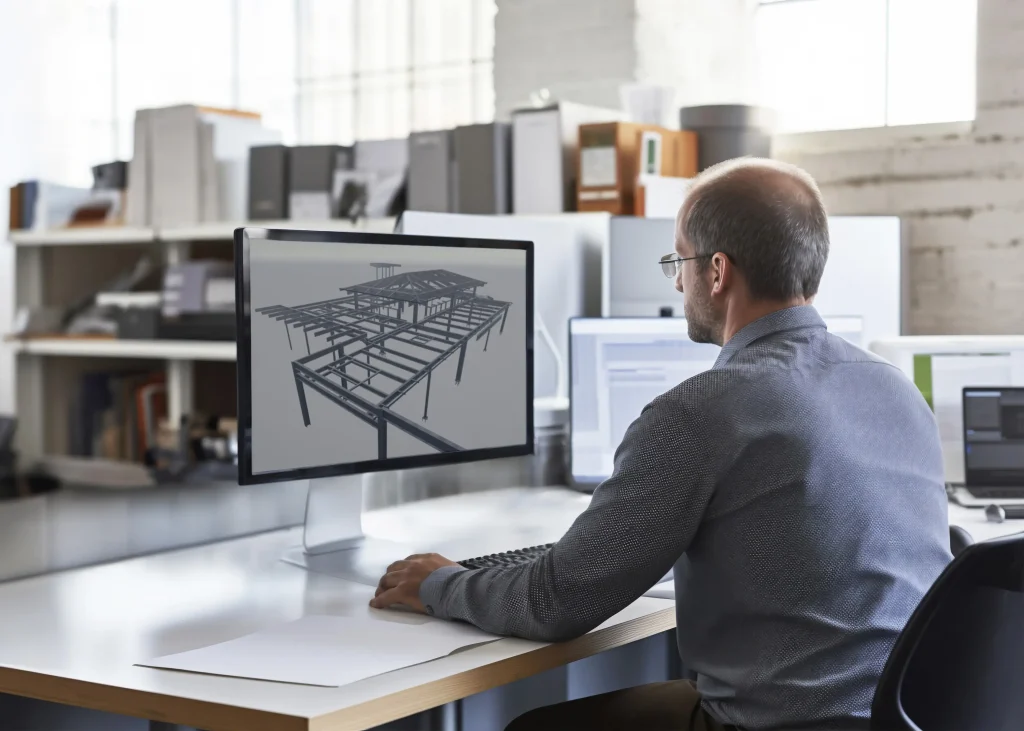
The Evolving Role of Outsourcing in US Structural Steel Fabrication
The American steel fabrication sector faces sustained pressure in 2027. Federal infrastructure spending, private investment in tech facilities, and the push for domestic manufacturing have driven healthy demand, yet skilled detailers remain scarce. Many experienced professionals have retired, and new talent pipelines have not fully compensated.
We have observed that outsourcing structural steel detailing allows shops to maintain competitive lead times while keeping in-house teams focused on fabrication, welding, and erection. Rather than viewing outsourcing as a sign of weakness, forward-thinking fabricators treat it as a force multiplier that expands capacity without the overhead of permanent hires.
Next year, the most successful outsourcing arrangements will go beyond basic 2D drawings. They will leverage integrated digital workflows that reduce RFIs, minimize field errors, and accelerate the path from contract award to steel delivery. We believe shops that proactively align with these trends will win more bids and deliver projects with greater predictability.
Major Technological Trends Transforming Structural Steel Detailing Outsourcing
Technology stands at the heart of the next wave of detailing outsourcing. In 2027, artificial intelligence, advanced BIM, and cloud collaboration will no longer be optional enhancements—they will define competitive advantage.
AI and Automation Becoming Mainstream in Detailing Workflows
Artificial intelligence is rapidly moving from experimental pilots to everyday use in structural steel detailing. AI tools now assist with automatic connection optimization, clash detection, and even preliminary drawing generation. When partnered with experienced human detailers, these systems dramatically reduce repetitive tasks and human error.
We recommend seeking outsourcing partners who have integrated AI-powered features into their processes. For example, platforms like updated Tekla Structures and SDS2 releases in recent years include AI-assisted fabrication drawing creation and workflow automation. This means your outsourced team can deliver more accurate models faster, freeing your internal reviewers to focus on project-specific nuances.
Fabricators who adopt AI-enhanced detailing report fewer revisions and smoother CNC exports. Next year, we expect this trend to deepen, with generative design elements suggesting material-efficient framing options that lower both cost and embodied carbon.
The Dominance of Intelligent 3D Modeling and BIM Integration
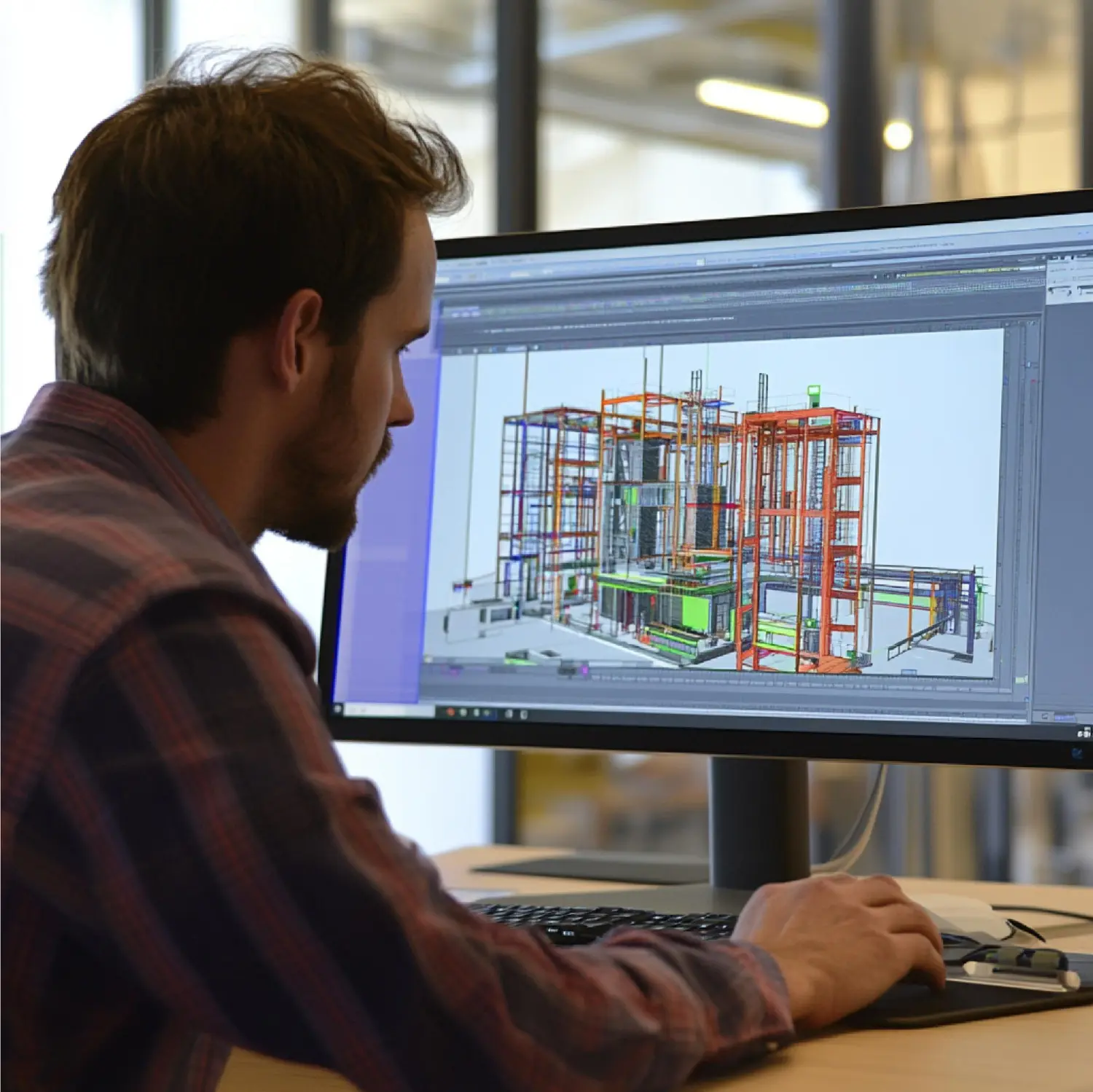
Full 3D modeling has become the standard rather than the exception. In 2027, US fabricators will increasingly demand that outsourced detailers deliver data-rich, intelligent models compatible with their shop’s equipment and the general contractor’s coordination platforms.
BIM for steel structures drives unprecedented collaboration across architects, engineers, fabricators, and erectors. When your outsourcing partner works natively in BIM Level 300–400 environments, you gain early clash resolution, accurate material takeoffs, and seamless updates when design changes occur.
We advise verifying that potential partners maintain current certifications and demonstrate experience with common US tools such as Tekla, Advance Steel, and Revit-based structural workflows. Shops that insist on true BIM deliverables next year will see reduced field fit-up issues and faster erection sequences.
Cloud-Based Collaboration and Real-Time Project Visibility
Geographic distance becomes less relevant when teams share models through secure cloud platforms. Next year, expect tighter integration between detailing providers and fabricators via tools that allow real-time markups, version control, and instant notifications.
This shift supports around-the-clock progress, with offshore teams advancing work while your US staff sleeps. The result? Shorter overall schedules and the ability to handle peak-season surges without turning away profitable work. We encourage fabricators to prioritize partners offering dedicated project portals with audit trails for compliance and quality assurance.

Sustainability and Regulatory Pressures Influencing Outsourcing Decisions
Sustainability is no longer a buzzword—it is a business imperative that will shape detailing requirements in 2027. Structural steel already boasts high recycled content and full recyclability, but clients and specifiers increasingly demand detailed documentation of embodied carbon, Environmental Product Declarations (EPDs), and responsible sourcing.
Outsourcing partners must understand how to incorporate sustainability data into models and drawings. This includes tracking mill certifications, specifying low-carbon steel options where available, and supporting Buy American or Buy Clean initiatives. We see leading detailers proactively building sustainability checkpoints into their quality processes, helping fabricators meet green building certifications without last-minute scrambles.
Regulatory compliance remains critical. AISC standards, seismic requirements, and OSHA-related erection tolerances continue to evolve. Your chosen outsourcing provider should demonstrate deep familiarity with US codes and maintain independent checking procedures that protect your liability as the fabricator of record.
Labor Dynamics and the Strategic Value of Global Talent Pools
Persistent skilled labor shortages will keep outsourcing attractive next year. Rather than competing in a tight domestic market for detailers, American shops can access dedicated teams of professionals who specialize exclusively in structural steel.
The best outsourcing relationships function as true extensions of your operation. Partners assign consistent teams to your projects, learn your preferences, and communicate clearly in technical English. This cultural and process alignment reduces misunderstandings that once plagued early outsourcing efforts.
We recommend starting with a pilot project to test compatibility. A small but representative job reveals how well the partner handles revisions, RFIs, and unexpected field conditions—insights far more valuable than any sales proposal.
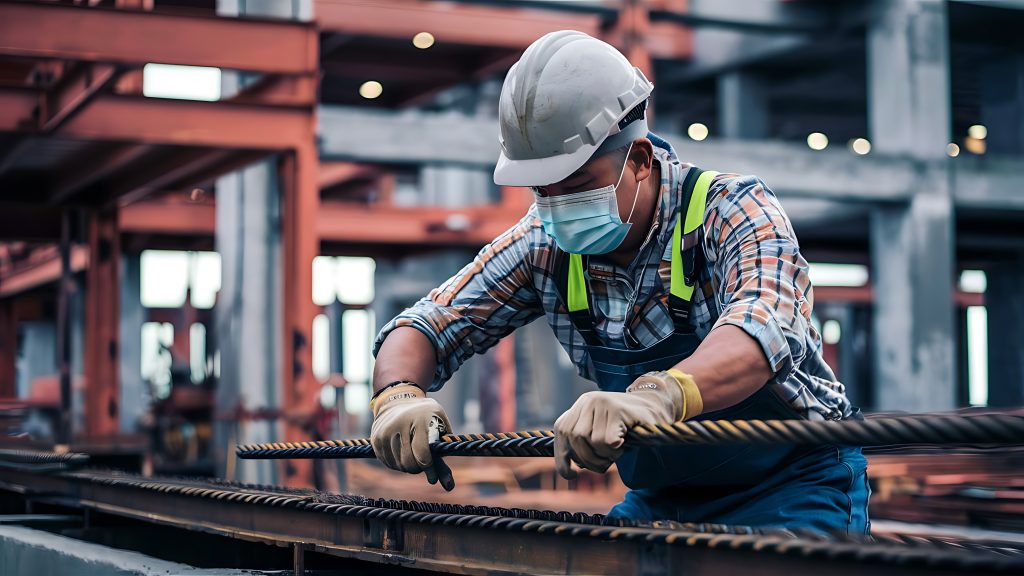
Risk Management and Best Practices for Successful Outsourcing in 2027
While the benefits are compelling, we never downplay the risks. Poor communication, quality gaps, or data security lapses can quickly erase cost advantages.
Mitigation starts with clear contracts that define deliverables, revision limits, turnaround SLAs, and quality benchmarks. Require SOC 2 or equivalent certifications for data protection, especially when sharing proprietary connection details or project IP.
We also suggest maintaining a small internal QA team or using third-party reviewers for critical projects. Hybrid models—outsourcing standard framing while keeping complex or architecturally exposed steel in-house—often deliver the best balance of cost, control, and quality.
How to Choose the Right Outsourcing Partner for Next Year’s Projects
Begin by documenting your current bottlenecks: turnaround times, error rates, staff workload, and software compatibility needs. Then evaluate providers against these criteria rather than price alone.
Request case studies from similar US fabricators, including references you can contact directly. Examine their technology stack, quality control protocols, and ability to scale during busy periods. In 2027, the strongest partners will offer transparent reporting, proactive suggestions for efficiency gains, and a genuine commitment to your long-term success.
Calculate total value rather than hourly rates. A slightly higher upfront cost that delivers error-free models and faster approvals often yields superior ROI through reduced rework and accelerated cash flow.
Frequently Asked Questions
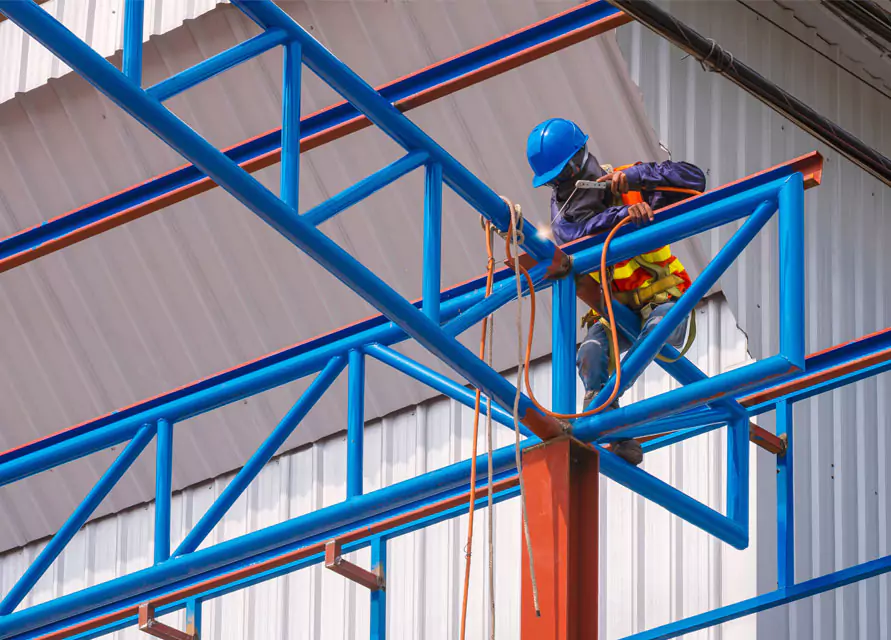
How much can US fabricators realistically save by outsourcing structural steel detailing in 2027? Savings typically range from 40 to 60 percent on detailing labor when all factors—including review time, revisions, and quality assurance—are considered. The exact figure depends on project complexity, volume, and the maturity of the partnership. We help clients model realistic ROI based on their specific workflow.
Will AI replace human detailers in structural steel outsourcing? AI will augment rather than replace skilled professionals. Next year, the most effective teams will combine automation for routine tasks with experienced detailers who interpret design intent, resolve complex connections, and ensure code compliance. Human oversight remains essential for quality and liability protection.
What steps should we take to ensure quality when outsourcing detailing work overseas? Implement layered quality controls: standardized checklists aligned with AISC, independent checking by senior detailers, real-time 3D model reviews at key milestones, and clear escalation procedures. Choose partners with US-based project coordinators and a proven track record on comparable projects. A successful pilot project builds confidence before scaling.
Conclusion
The trends shaping structural steel detailing outsourcing in 2027 point toward a more integrated, technology-driven, and sustainable future for American fabrication shops. We believe shops that embrace AI-assisted modeling, full BIM workflows, cloud collaboration, and responsible sustainability practices will gain a decisive edge in winning and delivering projects profitably.
Outsourcing, when approached strategically, allows you to overcome labor constraints, control costs, and focus on your core strengths—high-quality fabrication and safe erection. The key lies in selecting partners who share your commitment to precision, compliance, and continuous improvement.