Skip to content
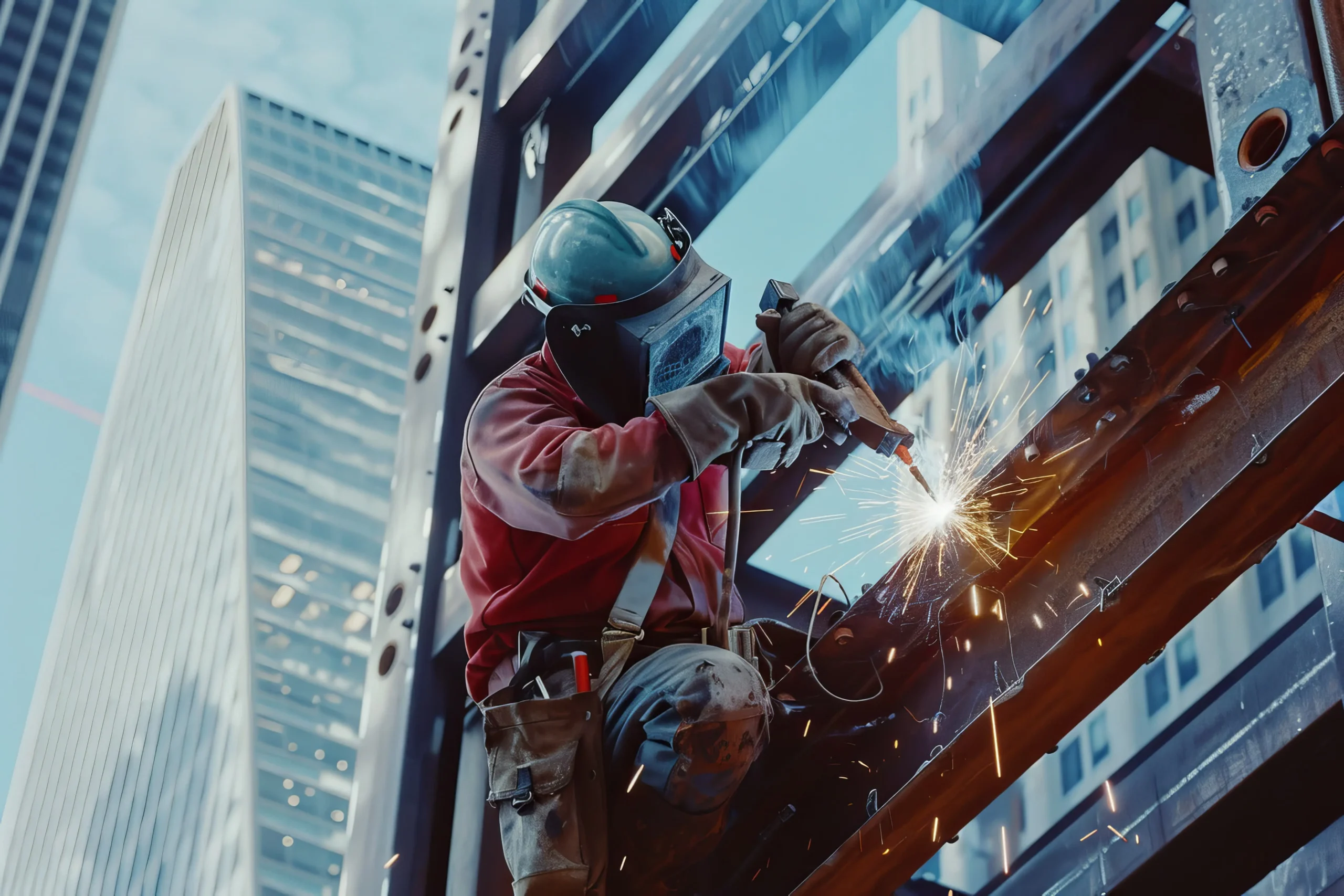
In the realm of structural steel construction, the spotlight often shines on primary framing—beams, columns, and trusses—but the true polish and functionality of a project frequently come from miscellaneous steel detailing. As detailers and fabricators, we regularly handle these “misc” items: stairs, handrails, guardrails, ladders, platforms, canopies, and bespoke architectural metalwork that blend safety, aesthetics, and performance. These components may not carry the building’s main loads, yet they demand precision to meet codes, ensure user comfort, and elevate design intent.
Miscellaneous steel encompasses non-structural elements that support daily use, provide egress, enhance accessibility, and contribute to architectural expression. In 2026, with BIM advancements and stricter compliance requirements, effective detailing of these items can significantly reduce field issues, speed up installation, and deliver superior outcomes. We believe mastering miscellaneous steel detailing sets top-tier fabricators apart—turning potential pain points into seamless integrations.
In this guide, we’ll explore best practices for detailing stairs and railings, dive into custom architectural metalwork, and share strategies to optimize workflows. Whether you’re coordinating delegated designs or producing shop drawings for a high-profile project, these insights will help you achieve accuracy, compliance, and efficiency.

Defining Miscellaneous Steel and Its Importance in Construction
Miscellaneous steel refers to fabricated metal components that support building functions beyond primary structural roles. These include steel stairs, handrails, guardrails, ladders, platforms, gratings, canopies, bollards, and ornamental features like decorative screens or custom brackets.
We often see these items fall under Division 05 in CSI specifications—Metals—with subsections for miscellaneous metals. Unlike main structural steel, misc items frequently involve delegated design: the engineer provides performance criteria (loads, deflections, clearances), while the fabricator or detailer handles final engineering and detailing.
This delegation creates unique challenges and opportunities. Precise detailing ensures compliance with IBC, OSHA, ADA, and local codes while aligning with architectural finishes. Poor detailing can lead to costly rework—misaligned connections, non-compliant rail heights, or aesthetic mismatches—but done right, it enhances safety, accessibility, and visual appeal.
Common Components and Their Typical Applications
- Stairs and Landings: Egress stairs in commercial buildings, monumental stairs in lobbies, industrial access stairs.
- Railings and Handrails: Balustrades for balconies, stair guards, barrier-free ramps.
- Ladders and Cages: Fixed access to roofs or mezzanines, often with safety cages.
- Custom Architectural Metalwork: Ornamental infill panels, perforated screens, curved elements, or integrated lighting supports.
Each requires attention to tolerances, finishes (galvanizing, powder coating), and interfaces with concrete, glass, or other materials.
Why Detailing Matters More Than Ever in 2026
With rising project complexity and emphasis on sustainability, accurate misc detailing minimizes material waste and supports modular construction. BIM integration allows clash-free coordination, while real-time collaboration platforms streamline approvals.

Best Practices for Steel Stair Detailing
Steel stairs demand rigorous attention to geometry, safety, and code compliance. We prioritize uniform riser/tread dimensions, proper nosing, and secure connections.
Tread, Riser, and Nosing Configuration
Standard riser heights range from 4 to 7 inches, treads 11 inches minimum, per IBC. For comfort, aim for a 2R + T ≈ 25 inches rule. Detail nosings consistently—1-1.5 inches projection with beveled or rounded edges to prevent tripping.
In shop drawings, show stringer profiles (channel or plate), pan treads (filled with concrete or grated), and landings. Include expansion joints for long runs and drift provisions in seismic zones.
Stringer and Connection Detailing
Open stringers (exposed) require clean welds and grinding for aesthetics; closed stringers hide supports for a sleeker look. Detail bearing plates, bolted or welded connections to floors/beams, ensuring load paths are clear.
We recommend including camber or pre-deflection notes, especially for longer spans, and verifying bolt spacing to avoid interference with treads.
Compliance with Accessibility and Safety Standards
ADA requires 34-38 inch handrail heights, 1.25-2 inch graspable diameters, and continuous rails. OSHA for industrial stairs allows steeper rises but mandates guards. Detail intermediate rails at 21 inches max spacing to prevent passage of a 4-inch sphere (IBC guard requirement).
Include slip-resistant surfaces—checkered plate or serrated treads—and lighting integration where needed.
Mastering Handrail and Guardrail Detailing
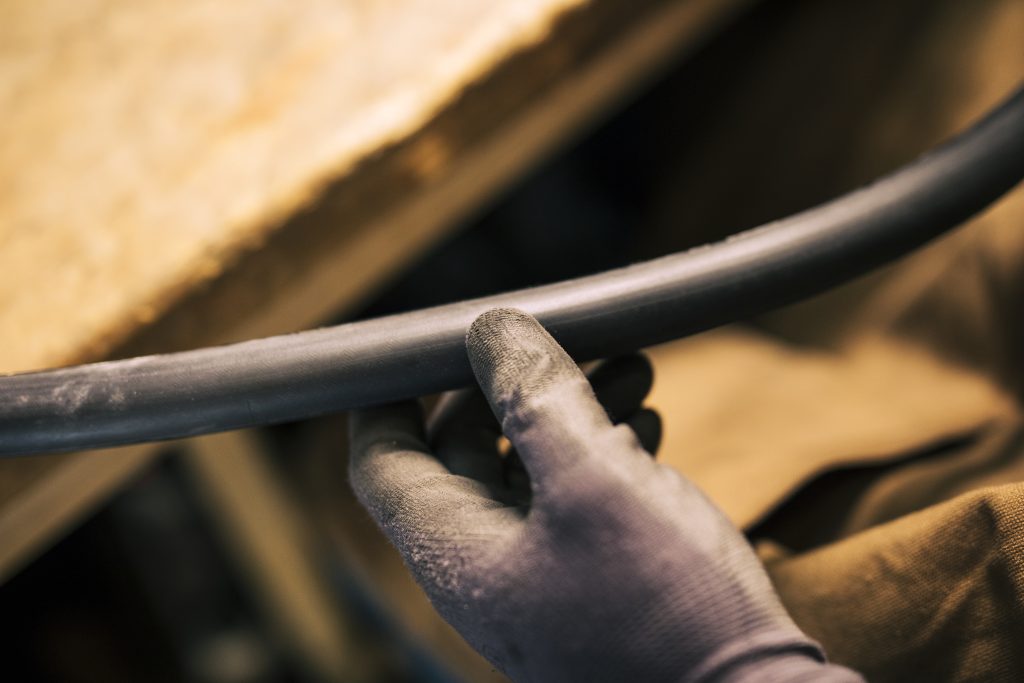
Handrails provide support and guidance; guardrails prevent falls. Both require precise heights, strengths, and transitions.
Height, Graspability, and Continuity Requirements
Handrails must be 34-38 inches measured to top, with 1.5-inch clearance to walls. Guards are 42 inches minimum for drops over 30 inches. Detail continuous rails with smooth transitions at turns—radius bends or goosenecks.
For pipe railings, use Schedule 40 pipe (1.5-2 inch diameter) with welded or mechanical fittings. Picket infills need 4-inch max openings.
Materials, Finishes, and Connection Strategies
Carbon steel with hot-dip galvanizing suits exterior; stainless steel for high-end interiors. Powder coating adds color and corrosion resistance.
Connections vary: post-to-base plates with anchor bolts, or welded to embedded plates. In delegated designs, provide calculations for loads (200 lb concentrated, 50 plf).
We advise modeling post embedment and base plate details accurately to avoid field welding surprises.
Custom Infill Options for Architectural Appeal
Cable, glass, perforated sheet, or ornamental pickets elevate design. Detail tensioning for cables, edge supports for glass, and secure attachments to prevent vibration.

Custom Architectural Metalwork: Elevating Design Through Detailing
Custom metalwork transforms functional elements into artistic features—curved railings, laser-cut screens, integrated benches, or sculptural canopies.
Parametric Modeling and Fabrication-Ready Details
Use parametric tools in Tekla or Revit for complex geometries. Define rules for bend radii, weld access, and material thickness to ensure manufacturability.
Detail tolerances tightly—±1/8 inch for visible elements—while allowing flexibility for fabrication variances.
Finishing and Coating Specifications
Specify finishes early: brushed stainless for modern looks, textured powder coat for durability. Include galvanizing for exteriors and touch-up procedures.
We stress shop drawings showing all views, sections, and details—especially curved members—to guide bending and welding.
Integration with Other Trades
Coordinate with glazing, cladding, and MEP. Use BIM for clash detection—ensure rail posts avoid ductwork or lighting.

Implementation Strategies and Overcoming Common Challenges
Start with clear performance specs from the EOR. Use BIM for coordination and issue tracking. Train teams on codes and software updates.
Challenges include delegated design ambiguities—clarify responsibilities upfront. Tolerances and finishes often cause disputes—document expectations.
Pilot complex items on smaller projects to refine processes.
FAQs

What codes primarily govern miscellaneous steel items like stairs and railings? Key standards include the International Building Code (IBC) for general requirements, ADA Accessibility Guidelines for handrails and accessible routes, OSHA for industrial applications, and AISC or NAAMM for fabrication and design. Local amendments may apply, so always verify jurisdiction-specific rules.
How do delegated designs work for miscellaneous steel detailing? In delegated designs, the project engineer provides loading criteria, spans, and performance requirements. The fabricator or specialty engineer completes the detailed design, including calculations and shop drawings, which are then submitted for approval. This approach allows customization while maintaining structural oversight.
What are the most common mistakes in miscellaneous steel detailing and how to avoid them? Common errors include inconsistent riser/tread dimensions, non-compliant handrail heights, poor connection details leading to field welding, and ignoring finish requirements. Avoid them by cross-referencing codes early, using BIM for verification, and conducting peer reviews before submittal.
Conclusion
Miscellaneous steel detailing—from practical stairs and railings to stunning custom architectural metalwork—plays a pivotal role in delivering safe, compliant, and visually compelling projects. By applying best practices in geometry, connections, finishes, and coordination, we ensure these elements perform flawlessly while enhancing overall design.