Skip to content
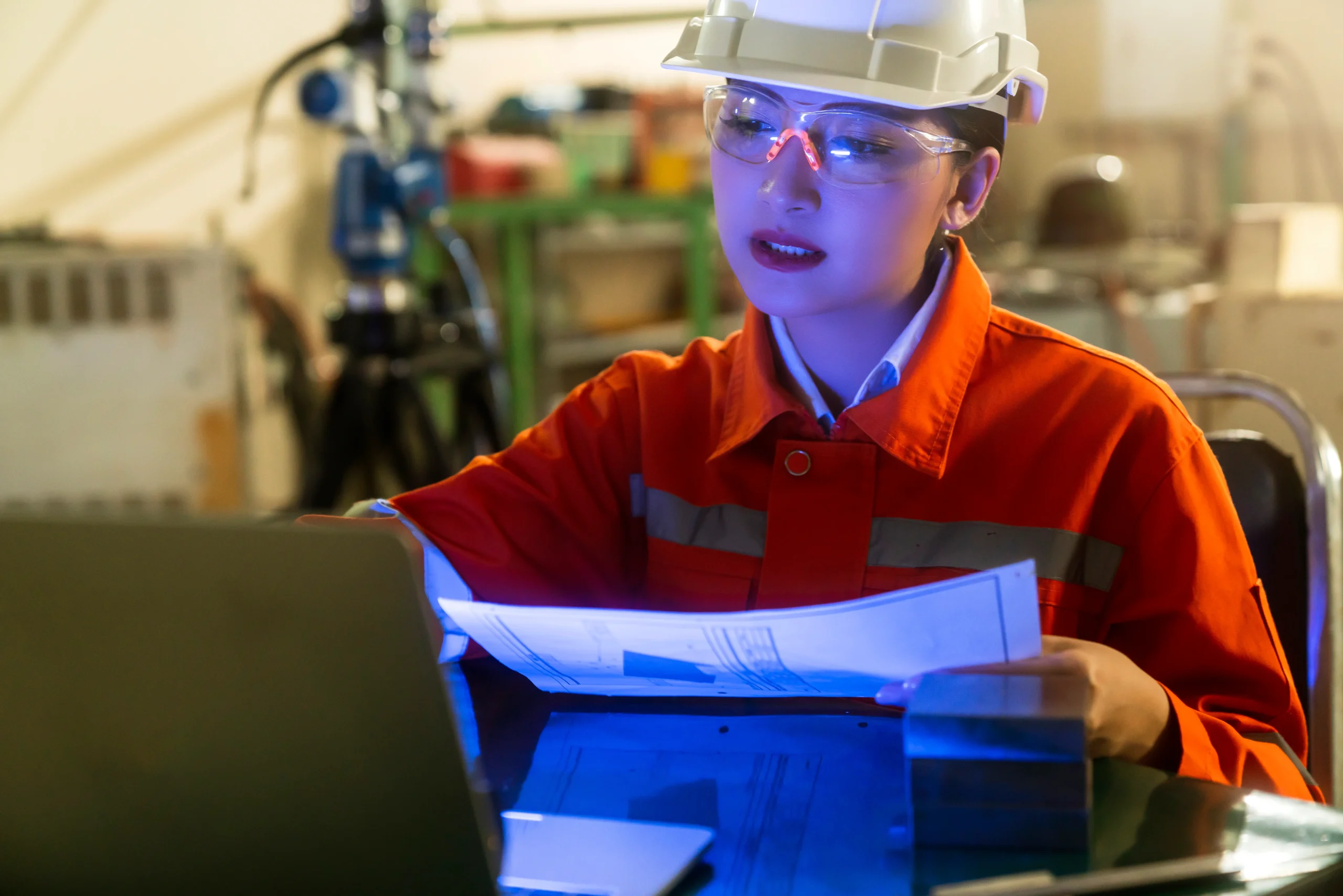
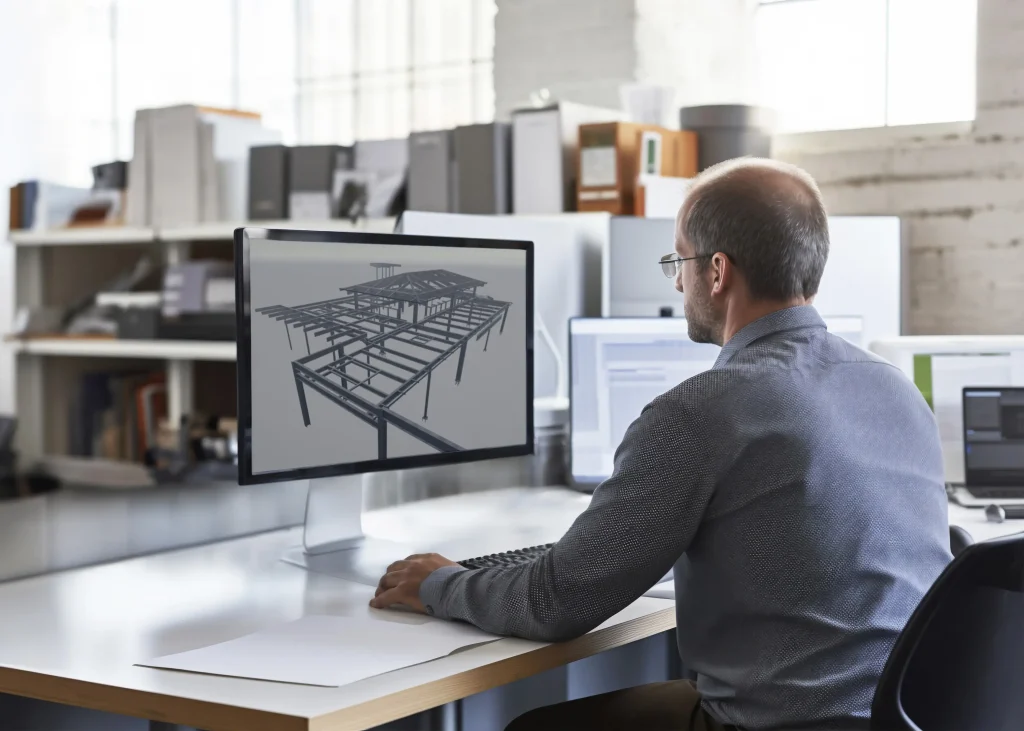
Sustainability in construction is no longer optional—it is essential. As buildings and infrastructure face increasing scrutiny for their environmental impact, steel stands out as a material that can deliver both strength and responsibility. The key to unlocking steel’s full sustainable potential lies in precise steel detailing. By creating accurate, clash-free models and production-ready drawings, detailers help fabricators use exactly the right amount of material, eliminate unnecessary cuts, and minimize rework that generates scrap and emissions.
At T&J Steel Detailers, we focus on this precision every day. Our team of over sixty Tekla Structures experts delivers CNC-ready shop drawings that integrate seamlessly into fabrication workflows. This approach not only streamlines production but directly supports greener outcomes: fewer errors mean less waste, optimized material use lowers embodied carbon, and faster project delivery reduces on-site energy consumption.
The Environmental Imperative in Steel Construction
Steel production accounts for a significant portion of global carbon emissions, yet it also offers one of the clearest paths to lower-impact building. Structural steel contains an average of 92 percent recycled content and remains 100 percent recyclable at the end of its life without quality loss. This circular nature makes steel inherently more sustainable than many alternatives.
However, the true environmental savings emerge during design, fabrication, and erection. Inaccurate detailing can lead to over-ordering, excessive cutting, field modifications, and discarded pieces—each step adding to material waste and embodied carbon. Precise detailing reverses this by optimizing every member from the model stage onward.
The Benefits and Applications of Metal Structures
Steel structures provide compelling advantages that align perfectly with sustainable construction goals.
Superior Strength-to-Weight Ratio
This property allows for longer spans, taller clear heights, and lighter foundations. Less material is needed to achieve the same structural performance, directly reducing the volume of steel produced—and the emissions associated with its manufacture and transport.
Exceptional Durability and Long Service Life
Steel resists corrosion, fire, and biological degradation when properly detailed and protected. Buildings designed for longevity require fewer resources over time, lowering lifecycle carbon footprints and supporting circular economy principles.
Rapid Prefabrication and Reduced Site Impact
Off-site fabrication in controlled environments generates far less on-site waste than traditional methods. Components arrive ready for assembly, shortening construction timelines, minimizing energy use from equipment and temporary facilities, and reducing disruption to surrounding areas.
High Recyclability and Low Embodied Carbon Potential
With modern electric arc furnace (EAF) production relying heavily on scrap, steel’s embodied carbon can be significantly lower than blast furnace routes. Precise detailing maximizes this advantage by ensuring efficient use of recycled-content steel and minimizing virgin material needs.
Versatile Applications Supporting Green Building
These benefits shine across project types. Commercial and office buildings use steel for open floor plates and adaptable interiors that accommodate future retrofits. Industrial facilities like warehouses and manufacturing plants benefit from long-span designs that optimize energy-efficient layouts. Institutional projects such as schools and hospitals leverage steel’s fire resistance and modular potential for phased, low-disruption construction. Infrastructure elements—bridges, transit hubs, renewable energy supports—rely on steel’s resilience and lightweight properties to deliver durable, low-maintenance solutions with reduced foundation impacts.
In every application, precision detailing amplifies sustainability by cutting waste at the source and ensuring structures perform efficiently throughout their lifespan.

How Precise Detailing Directly Reduces Material Waste
Material waste in steel construction often stems from inaccuracies: oversized members, incorrect hole placements, or unresolved clashes that require field fixes. Advanced detailing counters this through several mechanisms.
Optimized Material Take-Offs and Nesting
Comprehensive 3D models allow exact quantification of steel requirements. Fabricators order precisely what is needed—no excess buffer stock that becomes scrap.
CNC-Ready Files Eliminate Manual Errors
Direct exports to cutting, drilling, and punching machines ensure components are produced to exact specifications. This precision reduces off-cuts and rejected pieces.
Clash Detection and Coordination
Continuous automated checks identify interferences with other trades early. Resolutions in the model prevent costly field adjustments and the waste they generate.
Connection Optimization
Thoughtful connection design minimizes complex cuts and excess plates. Standard, efficient details reduce fabrication time and scrap.
Industry insights show that accurate detailing can significantly lower waste percentages compared to projects with outdated or manual processes. By preventing over-production and rework, precise detailing helps keep more steel in useful circulation rather than landfills.

Reducing Carbon Footprint Through Smarter Detailing Practices
Embodied carbon—the emissions from material production, transport, and construction—forms a large part of a building’s total footprint. Steel detailing influences this in meaningful ways.
Lower Material Volumes
By optimizing member sizes and connections to exact loads, detailing reduces overall tonnage without compromising safety. Less steel produced means fewer emissions from mills.
Efficient Fabrication Processes
CNC integration and error-free drawings streamline shop operations, cutting energy use per ton fabricated.
Minimized Transportation Impacts
Accurate take-offs prevent multiple deliveries of replacement material. Lighter, optimized shipments lower fuel consumption.
Support for Low-Carbon Steel Sourcing
Detailers can incorporate material specifications that favor EAF or recycled-content steel, aligning with green procurement goals.
When combined with other strategies—like using domestic or low-embodied carbon steel—precise detailing contributes to substantial footprint reductions across the project lifecycle.
Our Commitment to Precision and Sustainability
We build every Tekla model with sustainability in mind. Layered quality checks—automated clashes, manual reviews, independent verification, and senior approvals—ensure drawings achieve high accuracy. This discipline contributes to our reported 25 percent reduction in shop errors and 99 percent on-time delivery rate. Rapid 24–48 hour RFI responses keep projects moving without wasteful pauses.
By delivering clash-free, production-ready outputs, we help fabricators achieve cleaner, more efficient workflows that align with modern environmental expectations.
Frequently Asked Questions

How much material waste can precise steel detailing realistically prevent? Depending on project complexity, accurate detailing often reduces waste by optimizing cuts, eliminating rework, and preventing over-ordering—leading to measurable savings in scrap compared to less precise methods.
Does better detailing make a big difference in a project’s overall carbon footprint? Yes. By lowering steel tonnage, reducing fabrication energy, and minimizing transport and rework, precise detailing directly cuts embodied carbon while enhancing the inherent sustainability advantages of steel.
Can precise detailing help projects qualify for green certifications like LEED? Absolutely. Optimized material use, waste reduction, and support for recycled-content steel contribute to credits in categories focused on resource efficiency, embodied carbon, and construction waste management.
Conclusion
Sustainable steel construction thrives when precision meets purpose. Accurate detailing does more than produce drawings—it safeguards resources, lowers emissions, and ensures that steel’s recyclability, durability, and efficiency deliver their full environmental value.
At T&J Steel Detailers, we see this impact daily. Our Tekla-powered process creates the foundation for waste-minimized fabrication and lower-carbon projects, helping fabricators build responsibly without sacrificing speed or quality.