Skip to content
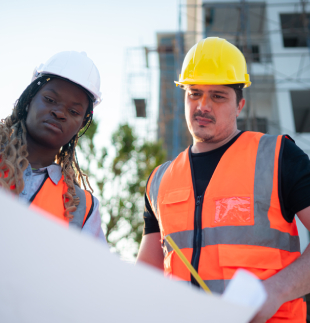
Modern architecture pushes boundaries. We see soaring atria with exposed frameworks, cantilevered facades that defy gravity, and fluid forms that blend art with engineering. Behind these striking designs lies a critical discipline: architectural steel detailing. It ensures that the bold visions of architects and the rigorous calculations of structural engineers translate into buildable, safe, and beautiful reality.
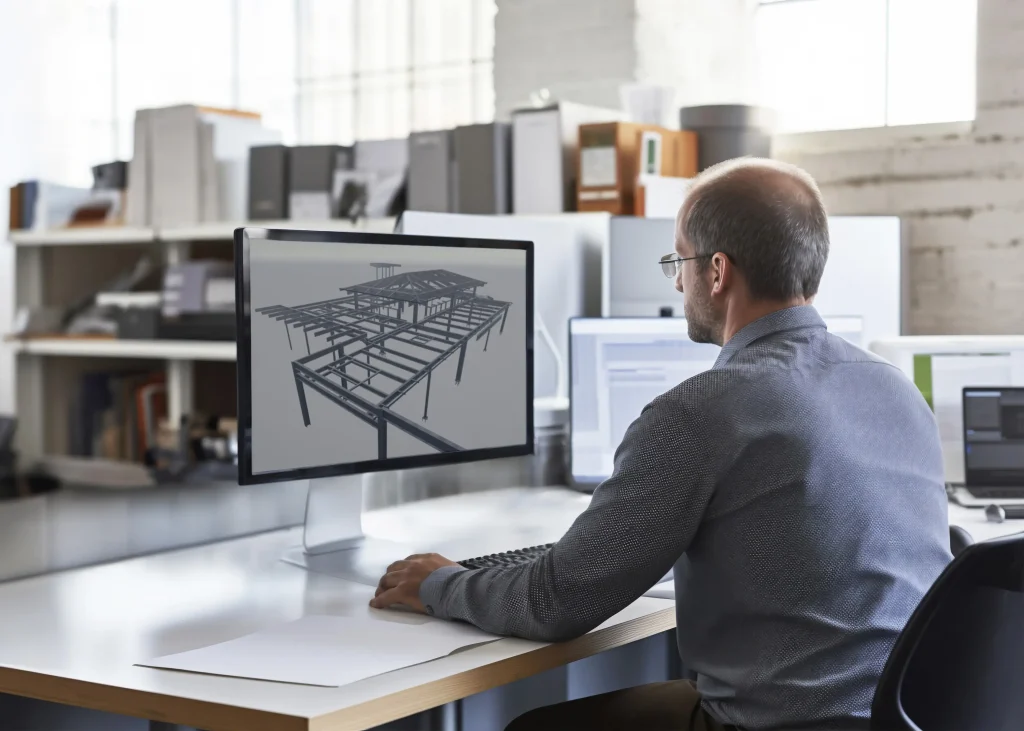
At T&J Steel Detailers, we specialize in this precise intersection of form and function. Using advanced Tekla Structures modeling, our team of over sixty skilled detailers creates clash-free 3D environments that capture both the structural backbone and the aesthetic elements—whether exposed trusses, custom ornamental screens, or intricate curtain-wall supports. The result? Fabricators receive accurate, CNC-ready drawings that minimize rework, accelerate erection, and let the building’s design shine exactly as intended.
What Architectural Steel Detailing Really Involves
Architectural steel detailing goes beyond basic structural work. While standard detailing focuses on load-bearing members like beams, columns, and braces, architectural detailing incorporates miscellaneous steel and decorative components that enhance visual appeal without compromising performance.
This includes:
- Exposed structural elements such as architecturally finished beams, tapered columns, and curved members
- Ornamental features like metal cladding supports, sunshades, perforated screens, and custom railings
- Integration with facade systems, including point-supported glass, tension cables, and complex entry canopies
- Connection details that remain hidden or become design statements—think sleek bolted connections or welded joints with clean lines
Every dimension, weld symbol, and bolt placement must serve dual purposes: transferring loads safely while meeting tight tolerances for aesthetics. In modern buildings, where steel is often left visible, even minor misalignments become glaring flaws.

The Benefits and Applications of Metal Structures
Steel continues to dominate modern architecture because its properties enable designs that other materials simply cannot achieve. The benefits are both practical and inspirational.
Key Benefits in Architectural Contexts
Design Freedom and Flexibility — Steel’s high strength-to-weight ratio allows architects to create long spans, open floor plates, and dramatic cantilevers. Reduced column sizes and fewer interior supports open up interior spaces for natural light, flexible layouts, and iconic forms.
Speed and Efficiency — Prefabricated steel components arrive on site ready for assembly, shortening construction timelines significantly. This speed is invaluable for high-profile projects where market timing or event schedules matter.
Durability and Longevity — Steel structures resist settling, warping, and biological decay. With proper detailing and protective finishes, exposed elements maintain their appearance and integrity for decades, reducing long-term maintenance.
Sustainability Edge — Steel is the most recycled material in construction. Lightweight designs lower foundation requirements and transportation impacts. Modular steel systems support future adaptations—important as buildings increasingly need to evolve with changing uses.
Aesthetic Versatility — Steel can be shaped, curved, perforated, or finished in countless ways. Exposed frameworks become sculptural elements, while hidden details ensure clean lines and seamless integrations.

Prominent Applications in Modern Buildings
These advantages appear across building types where aesthetics and performance intersect.
High-Rise Office Towers and Mixed-Use Developments — Steel enables slender cores, large glass facades, and sky gardens. Exposed mega-columns or diagrid systems become signature features.
Cultural and Civic Buildings — Museums, theaters, and convention centers use steel for expansive column-free halls, intricate roof geometries, and dramatic entry sequences. Think sweeping curved trusses or lattice structures that flood interiors with light.
Educational and Healthcare Facilities — Universities and hospitals favor steel for phased construction, flexible interiors, and resilience. Atriums with feature staircases or cantilevered canopies enhance welcoming environments.
Residential and Hospitality Projects — Luxury apartments, hotels, and high-end homes incorporate steel for bold cantilevers, rooftop pools, and modern facades. Custom railings, pergolas, and decorative screens add sophistication.
Commercial Retail and Entertainment Venues — Shopping malls, stadiums, and arenas rely on steel for vast clear spans and dynamic roof forms. Exposed elements often tie into branding and visitor experience.
In every case, superior architectural detailing ensures that the structural system supports—not detracts from—the design intent.
How Precise Detailing Bridges Aesthetics and Integrity
Achieving harmony between beauty and strength requires meticulous attention.
Advanced 3D Modeling for Visualization and Coordination
We build fully intelligent Tekla models that incorporate architectural references alongside structural ones. This allows early visualization of exposed elements and precise coordination with facades, MEP systems, and glazing.
Connection Design That Enhances Appearance
We optimize connections for both capacity and elegance—using flush plates, hidden fasteners, or architecturally exposed structural steel (AESS) categories that specify finish levels, tolerances, and weld treatments.
Clash Detection and Tolerance Management
Continuous automated and manual checks eliminate interferences. Tight tolerances on architectural features prevent visible misalignments that could ruin clean lines.
CNC-Ready Outputs for Flawless Fabrication
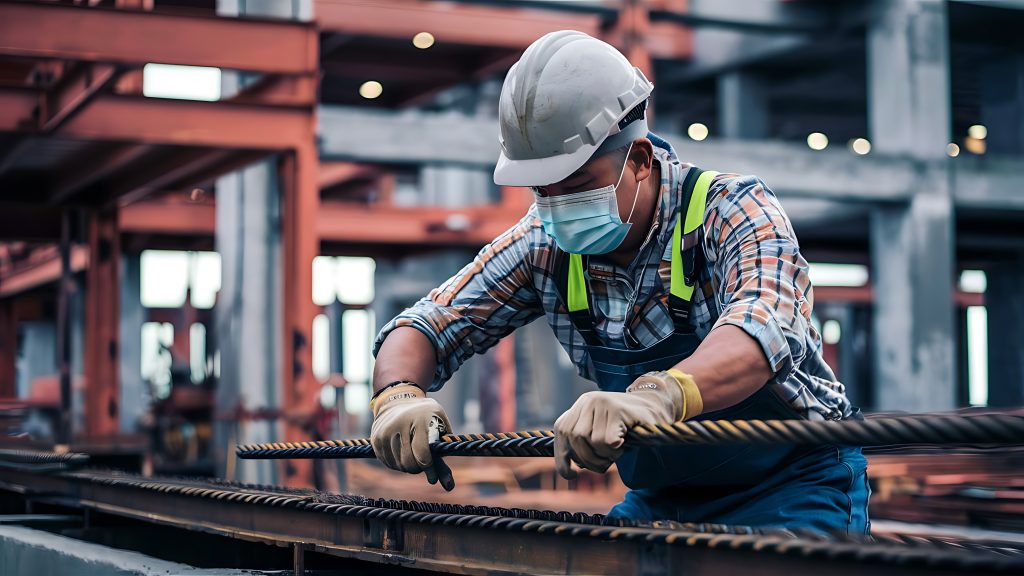
Files export directly to shop equipment, ensuring curved members, custom profiles, and precise holes match the model exactly—no surprises during assembly.
Rigorous Quality Assurance
Every drawing undergoes layered reviews: automated verification, manual checks, independent second-look, and senior approval. This discipline contributes to our 25% reduction in shop errors and 99% on-time delivery rate.
Rapid Communication and RFI Handling
When questions arise—especially on aesthetic details—we respond within 24–48 hours, keeping momentum high and preventing costly assumptions.
Frequently Asked Questions

How does architectural steel detailing differ from standard structural detailing? It places greater emphasis on exposed elements, finish quality, tight visual tolerances, and integration with non-structural systems like facades and interiors. While structural integrity remains paramount, aesthetic considerations influence connection choices, weld quality, and member sizing.
What role does AESS (Architecturally Exposed Structural Steel) play in modern projects? AESS defines specific categories of exposure and finish requirements. Detailing must align with the selected category—controlling weld profiles, surface smoothness, and alignment tolerances—to ensure the steel looks intentional and refined rather than industrial.
Can accurate detailing really help control costs on aesthetically driven buildings? Yes. By preventing field modifications, reducing material waste, accelerating erection, and minimizing RFIs, precise detailing keeps budgets in check. Clash-free models and CNC integration also optimize steel usage, often lowering overall tonnage without sacrificing design impact.
Conclusion

In today’s architecture, steel is more than a structural material—it is a design medium. When architectural steel detailing is executed with precision, it allows bold forms to stand tall, delicate details to endure, and visionary concepts to become built reality.
At T&J Steel Detailers, we take pride in partnering with fabricators to deliver drawings that honor both the engineer’s calculations and the architect’s intent. Our clash-free Tekla models, rigorous quality processes, and rapid responsiveness ensure that every project moves from concept to completion smoothly.