Saltar al contenido
As fabricators, we know the stakes are high. A single error in the drawings can cascade into costly delays, rework on the shop floor, and frustrated crews on site. That is why selecting the right steel detailing company is not just another vendor decision — it is a strategic partnership that directly impacts project timelines, budgets, and the structural integrity of every metal frame we deliver.
We have spent decades supporting fabricators across commercial, industrial, and institutional projects. In that time, we have learned that the best outcomes begin long before the first beam is cut. They begin with the right questions. In this guide, we walk through exactly what to ask, why each question matters, and how the answers reveal whether a detailing partner will help you build stronger, faster, and more profitably.

Understanding Steel Detailing: The Foundation of Successful Metal Structures
Steel detailing is the precise translation of engineering concepts into fabrication-ready instructions. It produces the shop drawings, erection drawings, and material lists that tell your team exactly how to cut, drill, weld, and assemble every member.
The process is methodical. It starts with a thorough review of architectural and structural drawings. Detailers then build a comprehensive 3D model, resolve clashes, design connections, and generate CNC-ready outputs. Every dimension, bolt hole, weld symbol, and assembly note must be verified multiple times. When done correctly, this work eliminates guesswork in the shop and on site.
Accurate steel detailing does more than prevent mistakes. It unlocks the full potential of metal structures by ensuring every component fits perfectly the first time.

The Benefits and Applications of Metal Structures
Metal structures, particularly those built from structural steel, deliver advantages that few other materials can match. Their high strength-to-weight ratio allows for taller buildings, longer spans, and lighter foundations — all while maintaining exceptional load-bearing capacity. This efficiency translates directly into lower material and transportation costs for fabricators and owners alike.
Durability is another standout benefit. Steel frames resist settling, warping, and biological degradation that affect other materials. Properly detailed and erected, these structures stand for decades with minimal maintenance, offering long-term value that clients appreciate.
Speed of construction is a game-changer. Because so much work happens off-site in controlled shop conditions, metal structures go up faster than traditional alternatives. Prefabricated components arrive ready to assemble, shortening overall project schedules and reducing labor expenses on site.
Sustainability is built in. Steel is one of the most recycled materials on the planet, and its lightweight nature means smaller foundations and lower carbon footprints during transport. Many owners now specify steel precisely because it aligns with green-building goals without sacrificing performance.
Design flexibility rounds out the list. Architects love the open, column-free spaces that steel enables, while engineers value its ductility in seismic zones and high-wind areas. The result is modern, iconic structures that are both beautiful and resilient.
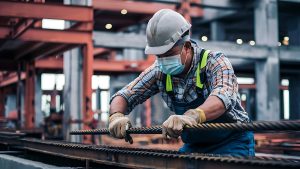
These benefits come to life across a wide range of applications. In commercial construction, steel frames support office towers, retail centers, and mixed-use developments where large, unobstructed interiors are essential. Industrial facilities rely on steel for warehouses, manufacturing plants, and distribution centers that demand clear-span designs and heavy crane loads. Institutional projects — schools, hospitals, and government buildings — use steel for its fire resistance and ability to accommodate future expansions.
Infrastructure applications are equally impressive. Bridges, stadiums, airports, and transportation hubs depend on precisely detailed steel to handle dynamic loads and extreme conditions. Even agricultural and recreational structures benefit from steel’s versatility, from equipment storage buildings to sports arenas.
When steel detailing is executed with precision, every one of these benefits is amplified. Connections fit without field adjustments, erection sequences flow smoothly, and the final structure performs exactly as the designer intended.

Why the Right Steel Detailing Partner Makes All the Difference
A skilled steel detailing company does far more than produce drawings. They become an extension of your team — spotting potential issues early, suggesting practical connection details, and delivering outputs that integrate seamlessly with your CNC equipment and workflow.
Poor detailing, by contrast, creates hidden costs: extra shop hours, material waste, RFIs that slow approval, and erection delays that ripple through the entire schedule. We have seen projects recover from tight deadlines when the detailing partner delivered clash-free models and accurate material lists. We have also seen the opposite. The difference is always in the questions asked before the contract is signed.
10 Essential Questions Every Fabricator Should Ask Before Hiring a Steel Detailing Company
Here are the ten questions we recommend every fabricator pose. Listen carefully to the answers. The best partners will respond with confidence, specific examples, and a clear focus on your success.
1. How much hands-on experience does your team have with projects like ours?
Experience cannot be replaced by software alone. Ask about the types and sizes of structures they have detailed, the industries they serve, and the complexity of connections they routinely handle. A team that has detailed hundreds of similar jobs will anticipate issues you may not even see coming.
2. What software and technology do you use to create shop drawings and models?
Modern steel detailing relies on advanced 3D modeling platforms. Look for companies that work with industry-leading tools capable of producing clash-free models and CNC-ready files. Ask whether they can export data directly to your fabrication equipment and whether they maintain a single source of truth throughout the project.
3. Can you walk us through your quality control and checking process?
Quality is non-negotiable. The strongest answers describe multiple layers of review: automated clash detection, manual dimension checks, independent second-checkers, and final approval before files leave the office. Companies that double-check every drawing typically deliver 25 percent fewer shop errors and far fewer field revisions.
4. What is your typical turnaround time, and how do you handle urgent projects?
Fabricators live by deadlines. Ask for realistic timelines based on project size and complexity. The best partners also maintain capacity for rush work and can scale resources when your schedule tightens. Look for clear commitments rather than vague promises.
5. How do you ensure full compliance with AISC standards and other relevant codes?
Structural integrity depends on adherence to national standards. A professional steel detailing company will demonstrate deep familiarity with AISC specifications and local requirements. They should be able to show how their drawings incorporate these rules from the very first model.
6. Are your drawings and models prepared for direct CNC integration?
CNC readiness is a major efficiency driver. Ask whether files are generated to plug straight into your machines with minimal post-processing. Partners who routinely deliver this level of integration help fabricators reduce programming time and eliminate transcription errors.
7. What range of steel structures and detailing services do you provide?
Versatility matters. The ideal partner handles structural steel, miscellaneous steel (stairs, handrails, ladders), joist and deck systems, architectural elements, and connection design under one roof. This single-source capability reduces coordination headaches and ensures consistent quality across all packages.
8. How do you manage communication, RFIs, and scope changes?
Clear, responsive communication prevents small issues from becoming expensive delays. Look for teams that answer RFIs within 24–48 hours, provide regular progress updates, and maintain a collaborative attitude when design changes arise. Technology that allows real-time model sharing is a strong plus.
9. Can you share examples of similar projects and client references?
Past performance predicts future results. Request case studies or anonymized examples that match your project type. Strong partners are proud to discuss how their detailing contributed to on-time delivery, reduced rework, or solved complex fabrication challenges.
10. What ongoing support do you offer during fabrication and erection?
The relationship should not end when drawings are approved. The best steel detailing companies remain available for questions on the shop floor or in the field, provide as-built adjustments when needed, and help resolve any unforeseen issues quickly.

Evaluating Responses: What Separates Good from Great
When you hear answers, pay attention to specifics. Vague replies often signal inexperience. Concrete examples, metrics (on-time rates, error reductions), and a genuine interest in your workflow are hallmarks of a mature, reliable partner. Great detailers also ask thoughtful questions back — about your equipment, preferred connection types, and project constraints — because they view the relationship as a true collaboration.
Frequently Asked Questions

What exactly does a steel detailing company deliver? They produce comprehensive shop drawings, erection drawings, 3D models, material lists, and CNC files that guide every step of fabrication and assembly.
How long does the steel detailing process usually take? Timelines vary with project size and complexity, but professional teams deliver most structural packages in weeks, not months, when all reference material is provided promptly.
Why is precise steel detailing so important for metal structures? It ensures components fit perfectly, minimizes shop and field rework, optimizes material use, accelerates erection, and ultimately delivers the full strength, safety, and cost advantages that steel structures promise.
Conclusion
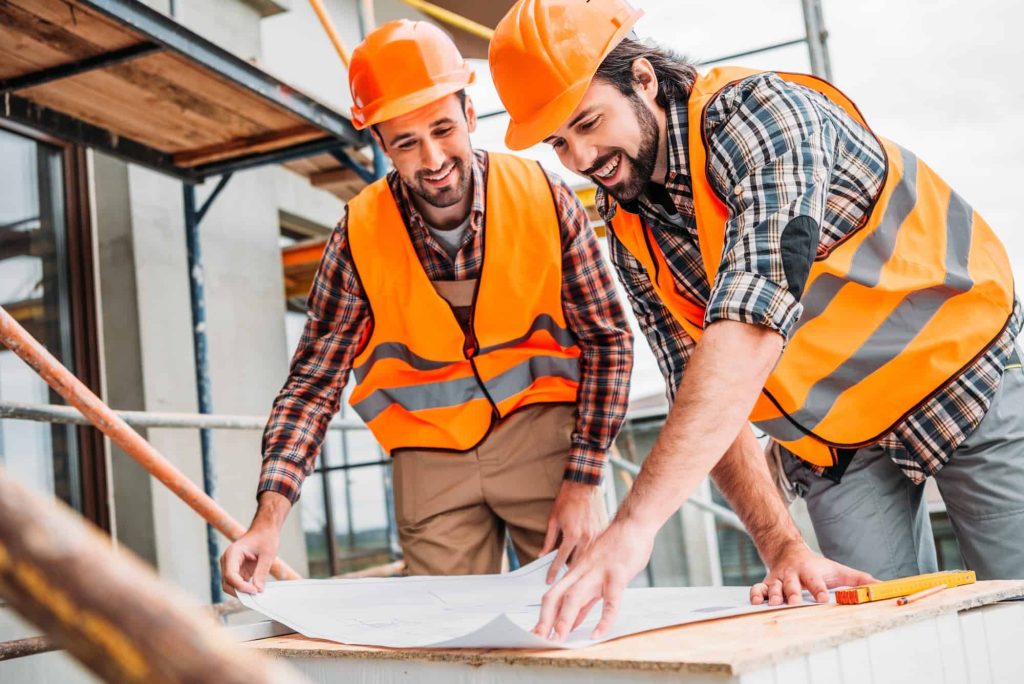
Choosing a steel detailing company is one of the most important decisions we make as fabricators. The right partner does more than produce drawings — they protect your schedule, safeguard your margins, and help every metal structure you build perform exactly as designed.
Take the time to ask these ten questions. Listen for experience, technology, quality processes, and a genuine commitment to your success. When you find a team that checks every box, you gain more than accurate drawings. You gain a trusted extension of your own shop — one that helps you deliver stronger projects, happier clients, and healthier bottom lines.