Skip to content
In the world of structural engineering and construction, precision is everything. As fabricators, we know that the smallest error in design can lead to costly delays, material waste, or even safety issues on the job site. That’s where steel detailing services come into play a critical step that bridges the gap between architectural vision and real-world fabrication. At our firm, we’ve seen firsthand how high-quality steel detailing can transform projects, making them more efficient, cost-effective, and reliable. In this comprehensive guide, we’ll walk you through everything you need to know about steel detailing services tailored specifically for fabricators like you. Whether you’re a seasoned professional or just starting out, we’ll cover the essentials, benefits, processes, and best practices to help you make informed decisions.
Steel detailing isn’t just about drawing lines on paper; it’s about creating a blueprint for success. We understand the challenges you face—tight deadlines, complex designs, and the need for seamless collaboration with engineers and contractors. That’s why we’re diving deep into this topic, providing actionable insights that go beyond the basics. By the end of this article, you’ll have a clear understanding of how to leverage these services to elevate your fabrication work.
Table of Contents
Understanding Steel Detailing: The Foundation of Fabrication Excellence
Let’s start with the fundamentals. Steel detailing is the process of creating detailed drawings and models for steel structures, including beams, columns, trusses, and connections. These drawings serve as the roadmap for fabricators, ensuring every piece fits perfectly during assembly. Unlike general architectural drawings, steel detailing focuses on the nitty-gritty details, such as bolt sizes, weld types, and material specifications.
Why Steel Detailing Matters for Fabricators
As fabricators, we often deal with the practical side of construction. Imagine receiving a set of plans that are vague or incomplete—it’s a recipe for frustration. High-quality steel detailing eliminates guesswork by providing precise measurements and assembly instructions. This not only reduces errors but also minimizes rework, which can eat into your profits. According to industry reports, projects with thorough detailing see up to 20% fewer on-site issues, allowing you to deliver on time and within budget.
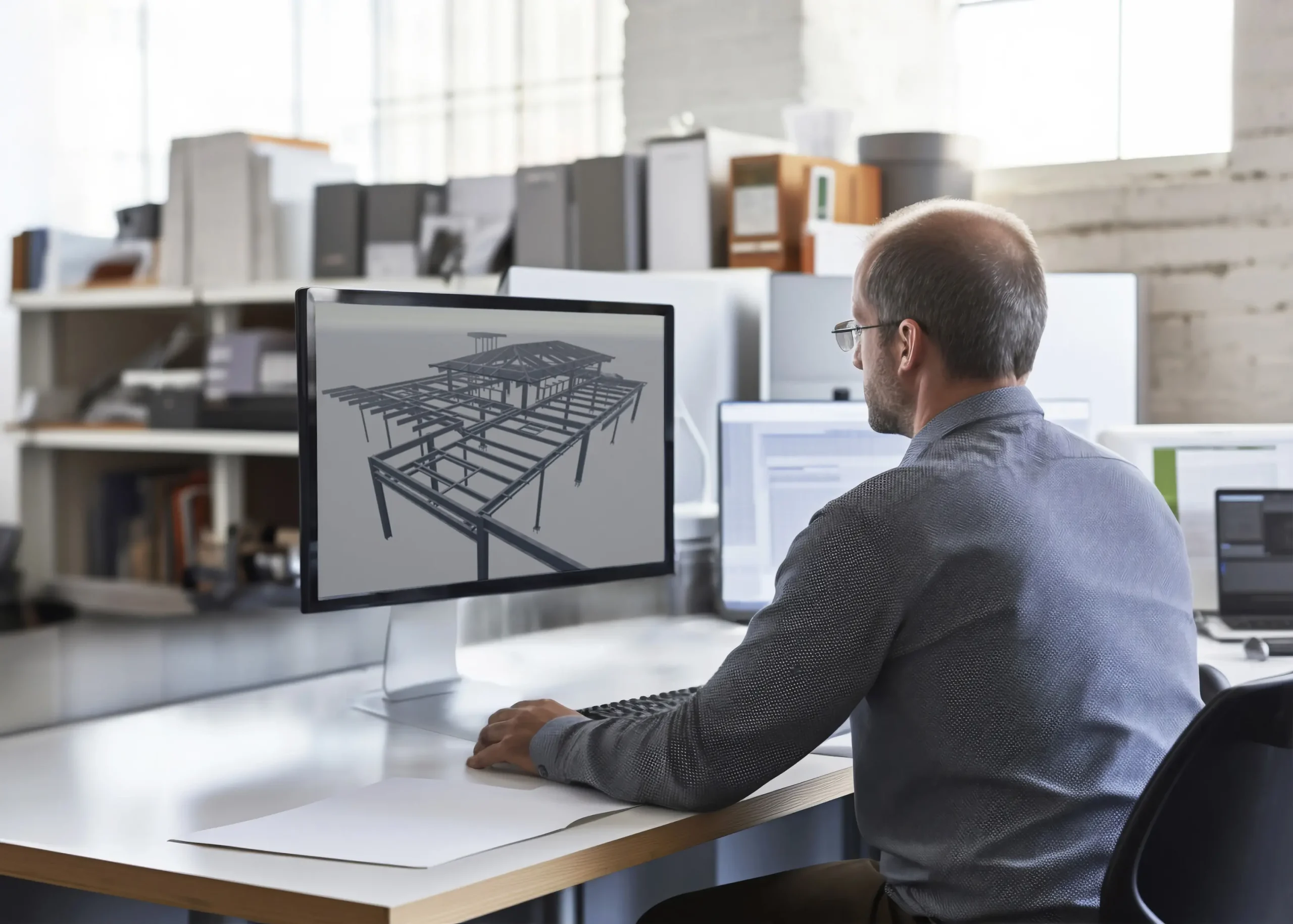
In our experience, fabricators who invest in professional detailing services report smoother workflows. For instance, detailed shop drawings help in pre-fabricating components off-site, which is especially beneficial for large-scale projects like bridges or high-rise buildings. It’s not just about accuracy; it’s about efficiency. By using advanced software like Tekla Structures or AutoCAD, detailers can create 3D models that visualize the entire structure, helping you spot potential clashes before they become problems.
Key Components of Steel Detailing
Steel detailing encompasses several key elements. First, there’s the erection drawings, which outline how the structure will be assembled on-site. Then, shop drawings detail each individual component for fabrication. Anchor setting plans ensure the foundation is prepared correctly, while bill of materials (BOM) lists every nut, bolt, and beam required.
We emphasize the importance of compliance with standards like those from the American Institute of Steel Construction (AISC). These guidelines ensure that your detailed plans meet safety and quality requirements. For fabricators, understanding these components means you can better communicate with detailers, leading to customized solutions that fit your specific needs.

The Benefits of Outsourcing Steel Detailing Services
In today’s fast-paced construction industry, many fabricators choose to outsource steel detailing rather than handle it in-house. This decision can be a game-changer, freeing up your team to focus on core competencies like welding and assembly.
Cost Savings and Efficiency Gains
One of the primary advantages is cost reduction. Maintaining an in-house detailing team requires investment in software, training, and personnel expenses that can add up quickly. By outsourcing to specialized firms, you pay only for the services you need, often at a fraction of the cost. We’ve helped clients save as much as 30% on project expenses through strategic outsourcing.
Moreover, professional detailers bring expertise that accelerates the process. They use cutting-edge tools to produce drawings faster, reducing your lead times. This efficiency translates to quicker project turnaround, giving you a competitive edge in bidding for new contracts.
Enhanced Accuracy and Reduced Risks
Accuracy is non-negotiable in fabrication. Outsourced detailers employ certified professionals who are well-versed in the latest technologies, such as Building Information Modeling (BIM). This results in clash-free designs that prevent costly mistakes. In our collaborations, we’ve seen how BIM integration allows for virtual walkthroughs, identifying issues early and avoiding expensive field modifications.
Risk mitigation is another key benefit. Professional services often include liability coverage, protecting you from errors that could lead to legal issues. Plus, with detailed documentation, you’re better equipped to handle audits or inspections, ensuring compliance every step of the way.
Scalability for Growing Businesses
As your fabrication business grows, so do your project demands. Outsourcing provides scalability—you can ramp up detailing support for peak seasons without hiring permanent staff. This flexibility is invaluable for small to medium-sized fabricators looking to expand without overextending resources.
We recommend evaluating potential partners based on their portfolio, turnaround times, and client testimonials. Look for firms that offer collaborative platforms for real-time feedback, ensuring the final deliverables align perfectly with your fabrication processes.

The Steel Detailing Process: Step-by-Step Breakdown
Now that we’ve covered the why, let’s explore the how. The steel detailing process is methodical, ensuring every detail is accounted for from concept to completion.
Initial Consultation and Data Gathering
It all begins with a thorough consultation. We gather architectural and engineering drawings, specifications, and any special requirements from you. This phase is crucial for understanding the project’s scope, materials, and timelines. Effective communication here sets the tone for the entire process.
Modeling and Detailing
Using specialized software, detailers create 3D models of the structure. This involves detailing connections, such as bolted or welded joints, and ensuring compatibility with fabrication methods. We incorporate tolerances and allowances to account for real-world variations in materials.
Sub-steps include generating shop drawings for each component and erection sequences for assembly. Advanced tools allow for parametric modeling, where changes in one part automatically update the entire model, saving time and reducing errors.
Review and Approval Cycles
Once drafts are ready, they undergo rigorous reviews. Fabricators like you provide feedback, and revisions are made iteratively. This collaborative approach ensures the final drawings are fabrication-ready. In our practice, we use cloud-based platforms for seamless sharing and annotations.
Final Delivery and Implementation
The culmination is the delivery of approved drawings, BOMs, and CNC files for automated fabrication. These files can directly feed into your machinery, streamlining production. Post-delivery support, like clarifications during fabrication, is often included to ensure smooth execution.
Throughout this process, we prioritize sustainability—optimizing designs to minimize material waste and promote eco-friendly practices.

Choosing the Right Steel Detailing Partner
Selecting a detailing service provider is a pivotal decision that can impact your project’s success.
Evaluating Expertise and Technology
Look for partners with a proven track record in your niche, whether it’s industrial, commercial, or residential steelwork. Assess their technology stack—do they use industry-leading software? Certifications like ISO or AISC accreditation signal quality commitment.
Communication and Collaboration
Effective partners prioritize clear communication. We advocate for providers offering dedicated project managers and regular updates. Tools like video conferencing and shared dashboards enhance collaboration, making the process feel like an extension of your team.
Pricing and Value Assessment
While cost is important, focus on value. Transparent pricing models, without hidden fees, are ideal. Compare quotes based on scope, not just the bottom line. Remember, cheaper services might compromise on quality, leading to higher costs down the line.
Case Studies and References
Request case studies similar to your projects. Speaking with past clients provides insights into reliability and performance. In our evaluations, we’ve found that firms with diverse portfolios handle complex challenges better.
By carefully vetting options, you ensure a partnership that enhances your fabrication capabilities.
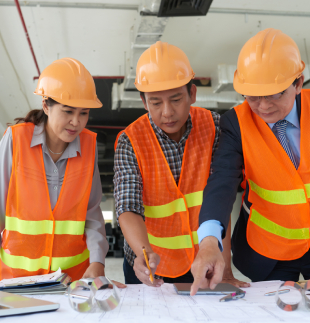
Advanced Trends in Steel Detailing for Modern Fabricators
The field is evolving rapidly, with technology driving innovations.
Integration of AI and Automation
Artificial Intelligence is revolutionizing detailing by automating repetitive tasks, like connection design. AI tools predict potential issues, improving accuracy. We see fabricators adopting these for faster iterations.
Sustainability in Detailing Practices
Eco-conscious detailing optimizes material use, reducing carbon footprints. Recycled steel specifications and waste-minimizing designs are becoming standard.
The Role of Virtual Reality
VR allows immersive reviews of models, helping fabricators visualize assemblies before cutting steel. This trend is gaining traction for training and error detection.
Staying abreast of these trends positions you for future success.
Frequently Asked Questions

What is the difference between steel detailing and structural engineering?
Steel detailing focuses on creating fabrication-ready drawings from engineering designs, emphasizing practical assembly details. Structural engineering, on the other hand, involves calculating loads and ensuring overall stability. While engineers design the structure, detailers translate it into buildable components.
How long does the steel detailing process typically take?
The timeline varies by project complexity, but simple structures might take 2-4 weeks, while large-scale ones could span 1-3 months. Factors like revisions and approvals influence duration. We recommend early involvement to align with your fabrication schedule.
Can steel detailing services handle custom or complex projects?
Absolutely. Professional detailers specialize in customization, using advanced software to manage intricate designs like curved beams or unique connections. Provide detailed specifications upfront for the best results.
Conclusion

In wrapping up this ultimate guide, we’ve explored the intricacies of steel detailing services and their indispensable role for fabricators. From understanding the basics to navigating the process and embracing future trends, it’s clear that investing in quality detailing is key to project success. At our core, we believe that informed choices lead to better outcomes—whether through outsourcing, adopting new technologies, or fostering strong partnerships.
If you’re ready to elevate your fabrication game, consider reaching out to a trusted steel detailing provider today. With the right support, you can achieve precision, efficiency, and excellence in every project. Thank you for joining us on this journey; we’re here to help you build stronger, one detail at a time.