Skip to content

In an era where environmental responsibility is no longer optional but essential, we at TJ Steel Detailers are committed to embedding sustainable practices into every aspect of our steel detailing and fabrication services. As expert steel detailers serving global clients across industrial, commercial, residential, and institutional projects, we’ve witnessed the shift toward greener construction firsthand. With tools like the latest Tekla Structures software and adherence to AISC standards, we ensure that our drawings not only promote precision but also support eco-friendly outcomes. Sustainable steel detailing and fabrication involve minimizing waste, optimizing resources, and reducing carbon footprints—all while maintaining the strength and versatility that metal structures offer. In this comprehensive article, we’ll explore these practices in depth, sharing insights from our experience to help you integrate sustainability into your builds. We’ll also delve into the profound benefits and applications of metal structures, which are amplified when paired with thoughtful detailing. As we navigate 2025’s evolving landscape, where regulations like updated green building codes demand action, understanding these elements can position your projects for long-term success and environmental stewardship.
The Importance of Sustainability in Steel Detailing and Fabrication
Sustainability in steel work isn’t just a buzzword—it’s a strategic imperative that aligns economic viability with planetary health. We at TJ Steel Detailers have seen how incorporating green principles from the detailing phase can transform entire projects, reducing environmental impact while enhancing efficiency.
Evolving Standards and Regulations in 2025
As of 2025, global standards are pushing the envelope on sustainability. Initiatives like the European Green Deal and U.S. LEED certifications now emphasize low-emission materials and lifecycle assessments in steel projects. In detailing, this means specifying steels produced via hydrogen-based methods, which cut CO2 emissions by up to 95% compared to traditional processes. Our team stays ahead by integrating these standards into every drawing, ensuring compliance without compromising timelines. For instance, AISC updates now include guidelines for recycled content, guiding detailers to prioritize materials with high post-consumer recycling rates.
Regulations also mandate waste tracking, where fabrication shops must report scrap levels. By optimizing designs in the detailing stage, we help clients meet these requirements, avoiding penalties and qualifying for incentives like tax credits for green builds.
The Role of Expert Detailers in Driving Sustainability
Expert steel detailers like our team at TJ Steel Detailers play a pivotal role as the bridge between design and execution. We focus on precision to eliminate errors that lead to rework and waste. Using 3D modeling in Tekla, we simulate assemblies to identify inefficiencies early, such as over-specifying beam sizes that inflate material use. This proactive approach not only ensures on-time delivery but also minimizes the environmental footprint of fabrication. Quick RFI responses—within 24-48 hours—further streamline this, preventing delays that could increase energy consumption on-site.
Collaborating for Holistic Green Outcomes
Collaboration is key; we work closely with architects, engineers, and fabricators to align on sustainable goals. In a recent commercial project, our connection design services incorporated bolted joints over welds, reducing energy-intensive fabrication processes and easing disassembly for future recycling.
Key Sustainable Practices in Modern Steel Detailing
Modern steel detailing is evolving with sustainability at its core, leveraging digital tools and innovative methods to create efficient, eco-conscious designs. At TJ Steel Detailers, these practices are embedded in our workflows, ensuring every project contributes to a greener future.
Material Optimization and Waste Reduction
One cornerstone practice is material optimization, where detailers calculate exact quantities to avoid excess. Our estimation and material take-off services use Tekla’s automation to generate precise lists, often reducing steel usage by 10-15%. This minimizes mining demands and landfill waste, as scrap rates drop significantly.
We also advocate for modular detailing, designing components that can be prefabricated off-site. This cuts transportation emissions and site disturbances, aligning with 2025 trends toward off-site construction. In residential projects, for example, detailing modular steel frames allows for faster assembly, lowering overall energy use.
Digital Tools for Enhanced Efficiency
Digital integration is revolutionizing sustainable detailing. Tools like BIM (Building Information Modeling) in Tekla enable clash detection, preventing on-site modifications that generate waste. We at TJ Steel Detailers use these to create data-rich models that track carbon impacts, helping clients select low-emission steels.
Incorporating Lifecycle Analysis
A forward-thinking practice is lifecycle analysis during detailing. By assessing a structure’s environmental impact from production to decommissioning, we specify durable designs that extend service life, reducing the need for replacements and their associated emissions.
Innovative Fabrication Techniques for Sustainable Builds
Fabrication is where detailing meets reality, and sustainable techniques in this phase amplify green efforts. We at TJ Steel Detailers ensure our drawings support these innovations, from low-carbon production to hybrid integrations.
Low-Carbon Steel Production Methods
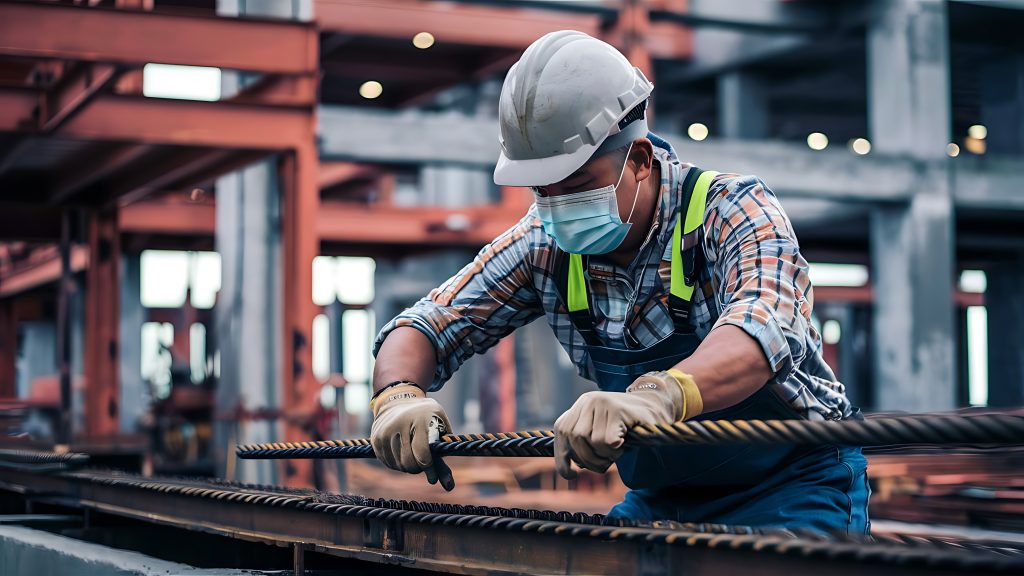
2025 has seen a surge in green steel fabrication, such as electric arc furnaces powered by renewables, which recycle scrap and emit far less CO2. Our rebar detailing services often specify such steels, ensuring compatibility in hybrid concrete-steel systems. Hydrogen-based direct reduction is another breakthrough; by detailing for these materials, we help fabricators transition to cleaner processes without redesigns.
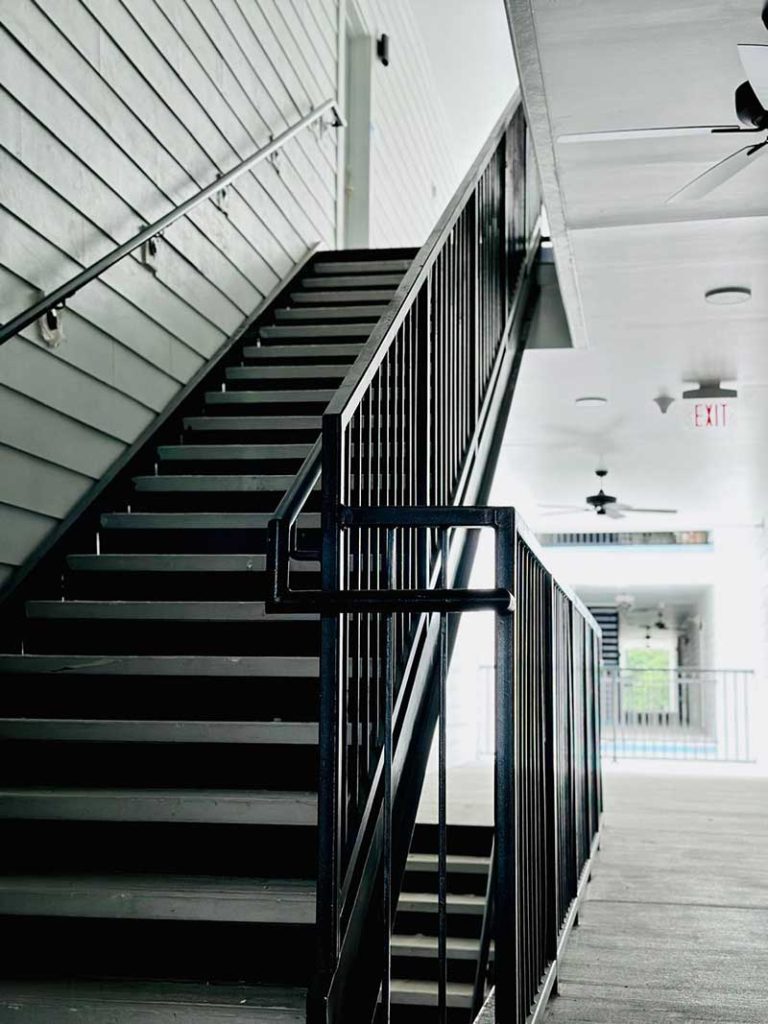
In miscellaneous steel fabrication, like stairs and railings, we promote powder coating over solvent-based options to cut volatile organic compounds (VOCs), enhancing indoor air quality in institutional builds.
Hybrid Material Integrations for Efficiency
Hybrid techniques, like combining steel with cross-laminated timber (CLT), reduce overall material intensity. Our joist and deck detailing facilitates these, creating lighter structures that demand less energy for transport and erection. In a hybrid office tower project, this approach lowered the carbon footprint by 30%, showcasing how sustainable fabrication preserves metal’s strength while incorporating renewables.
Energy-Efficient Shop Practices
We encourage fabrication partners to adopt solar-powered shops or CNC machines that minimize energy waste. Our accurate drawings enable just-in-time manufacturing, reducing inventory holding and its energy costs.
The Benefits and Applications of Metal Structures in Sustainable Contexts
Metal structures are inherently sustainable, and when detailed and fabricated with green practices, their advantages multiply. At TJ Steel Detailers, we’ve leveraged these in countless projects to deliver enduring, eco-friendly results.
Environmental and Economic Benefits
A primary benefit of metal structures is their recyclability—steel can be reused indefinitely without quality loss, diverting waste from landfills. This circularity reduces raw material extraction, conserving resources and cutting emissions. Economically, metal’s durability means lower maintenance costs over 50+ year lifespans, providing long-term savings. Sustainable detailing amplifies this by optimizing designs for minimal material use, further lowering upfront expenses.
Metal also excels in energy efficiency; its thermal properties support insulated systems that reduce building energy needs by up to 20%. In seismic-prone areas, metal’s ductility enhances resilience, minimizing rebuilds after events—a key sustainability factor.
Versatile Applications Across Industries
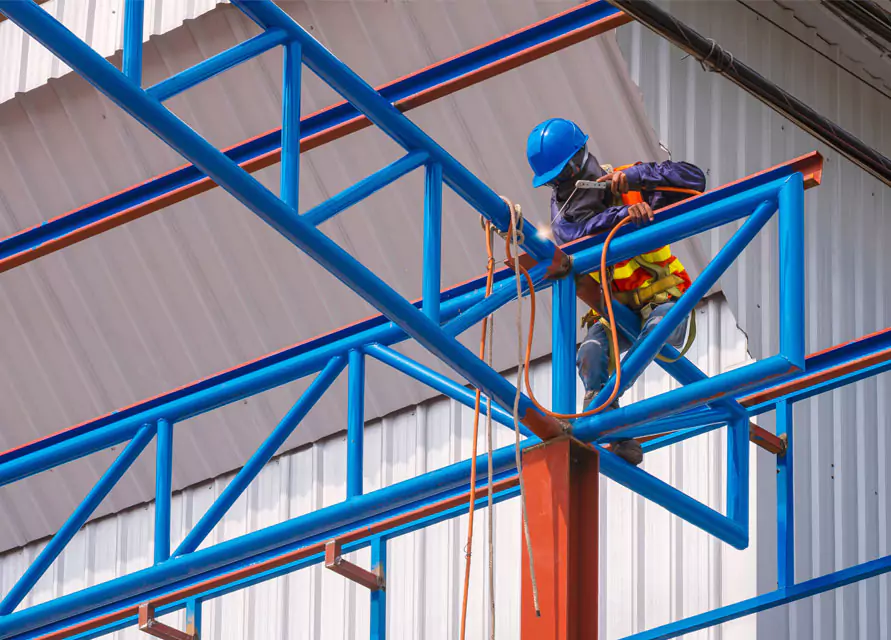
The applications of metal structures span sectors, each benefiting from sustainable practices. In industrial facilities, metal warehouses use detailed trusses for vast, column-free spaces that accommodate efficient operations and future expansions.
Commercial and Residential Uses
Commercially, metal frames in high-rises enable open floor plans with glass envelopes for natural lighting, cutting energy bills. Our architectural steel detailing adds sustainable features like green roofs supported by lightweight steel. Residentially, metal framing in homes provides pest-resistant, fire-safe builds that integrate solar panels seamlessly.
Institutional and Emerging Applications
Institutionally, metal structures in schools and hospitals offer flexible, hygienic spaces—detailed with antimicrobial coatings for health. Emerging applications include offshore wind farms, where corrosion-resistant metal towers, fabricated sustainably, harness clean energy. In urban retrofits, metal reinforcements extend building lives, avoiding demolition waste.
Implementing Sustainable Practices in Your Steel Projects
To adopt these practices, start with expert steel detailers like us at TJ Steel Detailers. Engage early for lifecycle planning, select green-certified materials, and use digital twins for simulations. Regular audits ensure ongoing compliance, turning sustainability into a competitive edge.
Partnering for Green Success
Our global reach and commitment to quality make us ideal partners. From connection designs that promote recyclability to full project management, we deliver sustainable solutions on time.
Frequently Asked Questions

How do sustainable practices in steel detailing reduce costs?
Sustainable detailing optimizes materials and minimizes waste, lowering procurement and disposal expenses. At TJ Steel Detailers, our precise take-offs have helped clients save 10-20% on materials while qualifying for green incentives.
What innovations are shaping sustainable steel fabrication in 2025?
Key innovations include hydrogen-based production and hybrid integrations like steel-CLT. We incorporate these in our drawings to support low-emission fabrication, aligning with global standards for reduced carbon footprints.
Can small projects benefit from sustainable metal structures?
Yes, even modest builds gain from metal’s recyclability and efficiency. Our tailored services ensure sustainability scales to any size, delivering durable, eco-friendly outcomes without complexity.
Conclusion

Embracing sustainable practices in modern steel detailing and fabrication is essential for a resilient future, where precision meets planetary care. From material optimization to innovative techniques, these approaches enhance the benefits and applications of metal structures, offering durability, efficiency, and versatility across industries. At TJ Steel Detailers, we’re passionate about guiding clients through this journey, delivering drawings that foster green excellence. As 2025 unfolds with stricter regulations and bolder innovations, investing in sustainability isn’t just smart—it’s imperative. If you’re ready to green your next project, we invite you to collaborate with us—let’s fabricate a sustainable legacy together.