Skip to content

In the intricate field of steel construction, where every line on a drawing can impact the safety and success of a project, we at T&J Steel Detailers have seen firsthand how small oversights in detailing can lead to significant challenges down the line. As seasoned professionals using Tekla Structures software and adhering to AISC standards, we’ve dedicated ourselves to helping clients sidestep these pitfalls through precise, reliable services. Whether it’s structural steel for a commercial high-rise or miscellaneous elements in an institutional build, understanding common mistakes in steel detailing is essential for delivering projects that are efficient, compliant, and enduring. In this extensive guide, we’ll break down frequent errors, offer practical strategies to avoid them, and emphasize how mastering detailing enhances the overall value of metal structures. By focusing on these insights, drawn from our global experience across industrial, commercial, residential, and institutional projects, you can elevate your builds to new levels of quality and reliability. Let’s dive in and explore how to turn potential problems into preventive successes.
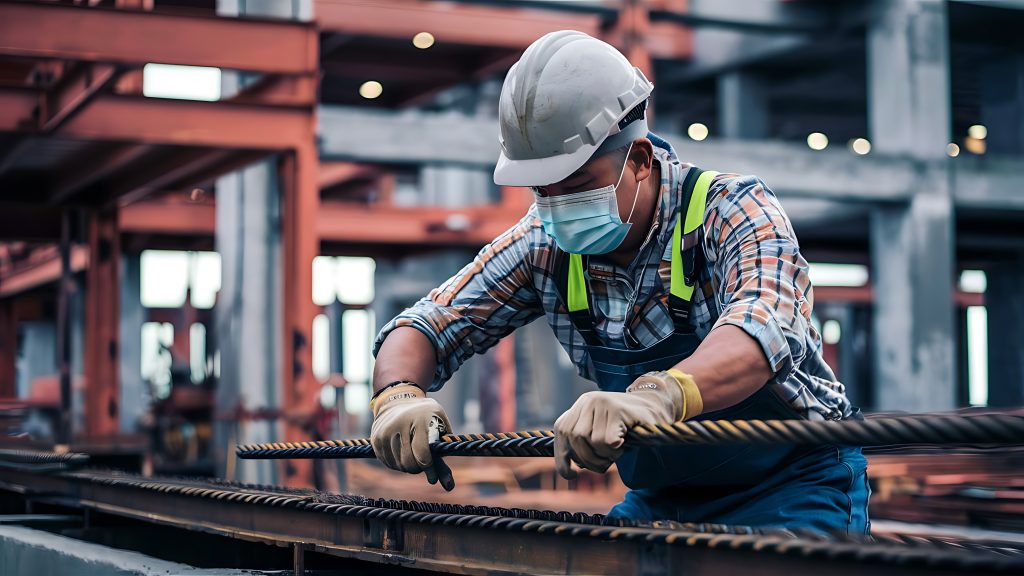
Identifying Core Mistakes in Steel Detailing Processes
Steel detailing forms the critical link between design and fabrication, and errors here can ripple through to erection and beyond. At T&J Steel Detailers, we prioritize accuracy in every drawing, but we’ve observed several recurring issues that plague even experienced teams.
Misinterpreting Design Intent and Drawings
One of the most prevalent mistakes in steel detailing is misreading or misinterpreting the architect’s or engineer’s intent. This often stems from ambiguous notes or overlooked specifications, leading to incorrect placements of beams, columns, or trusses. For instance, assuming a standard connection where a custom one is needed can result in structural weaknesses or costly rework on-site.
To avoid this, we recommend a thorough review process at the outset. Engage in clear communication with all stakeholders—architects, engineers, and fabricators—to clarify ambiguities early. At T&J Steel Detailers, our quick RFI responses within 24-48 hours ensure questions are addressed promptly, preventing misunderstandings. Incorporate 3D modeling with tools like Tekla Structures to visualize the design intent, allowing for virtual walkthroughs that catch discrepancies before they become physical problems.
Inaccurate Material Specifications and Quantities
Another common error involves specifying the wrong steel grades, section sizes, or quantities in material take-offs. This can arise from calculation errors or failing to account for project-specific factors like load requirements or environmental conditions. Overestimating materials ties up budgets unnecessarily, while underestimating causes delays and rushed orders at higher costs.
Our approach at T&J Steel Detailers is to double-check every dimension and calculation. Use automated tools within detailing software to generate precise take-offs, and cross-reference against AISC standards for material suitability. For hybrid projects involving rebar or joists, integrate these elements early to ensure compatibility. By doing so, you not only avoid waste but also optimize costs, making your detailing more efficient and sustainable.
Overlooking Code Compliance and Standards
Disregarding building codes or industry standards is a subtle yet dangerous mistake. Whether it’s ignoring seismic provisions in high-risk areas or neglecting OSHA safety requirements for connections, non-compliance can lead to failed inspections, legal issues, or even safety hazards.
Prevention starts with staying updated on regulations. We at T&J Steel Detailers embed AISC, Tekla, and SDS/2 best practices into every project, conducting regular compliance audits. Train your team on the latest codes and use software features for automated checks. This proactive stance ensures your steel detailing not only meets but exceeds requirements, safeguarding the project’s integrity.
Faulty Connection Designs and Clashes
Connections are the joints holding everything together, and errors here—like inadequate bolt clearances or improper weld specifications—can compromise the entire structure. Clashes between steel elements and other systems, such as HVAC or plumbing, often go unnoticed until fabrication or erection, causing expensive fixes.
To sidestep these, employ clash detection in 3D models during detailing. Our connection design services at T&J Steel Detailers focus on constructability, specifying bolted or welded joints that are safe and easy to assemble. Collaborate interdisciplinary early, sharing models to identify interferences. This method has helped us deliver clash-free drawings, reducing on-site adjustments by significant margins.
Advanced Errors in Miscellaneous and Architectural Detailing
Beyond structural basics, mistakes in miscellaneous and architectural steel detailing can affect aesthetics and functionality, particularly in commercial or residential projects where style matters as much as strength.
Incomplete or Overly Complex Documentation
Incomplete drawings—missing annotations, dimensions, or sequences—lead to confusion in the shop or field. Conversely, over-detailing with excessive notes clutters documents, overwhelming fabricators and increasing error risks.
Balance is key: Provide essential information without excess. At T&J Steel Detailers, our miscellaneous steel detailing for stairs, railings, and ladders includes clear, concise notes tailored to the project’s needs. Use standardized symbols and leverage software for clean outputs. Regular feedback loops with fabricators refine this, ensuring documentation supports smooth workflows.
Neglecting Site-Specific Considerations
Failing to account for site conditions, like urban access limitations or environmental exposures, can render detailed plans impractical. For example, oversized components might not fit through tight spaces, or uncoated steel could corrode in coastal areas.
Avoid this by conducting site assessments early and incorporating findings into detailing. We customize our architectural steel detailing to include features like corrosion-resistant specifications or modular designs for easier transport. This foresight, combined with our on-time delivery, keeps projects moving without surprises.
Ineffective Communication and Coordination
Poor team coordination often amplifies other mistakes, as changes aren’t communicated, leading to outdated drawings.
Foster open channels: Schedule regular meetings and use collaborative platforms. Our proven project management at T&J Steel Detailers ensures all parties—from clients to erectors—are aligned, with updates reflected in real-time.
The Benefits and Applications of Metal Structures in Flawless Detailing
While avoiding mistakes in steel detailing is crucial, it’s equally important to recognize how precise work unlocks the full potential of metal structures. At T&J Steel Detailers, we’ve seen how error-free detailing amplifies these advantages across various projects.
Enduring Benefits for Strength and Sustainability
A standout benefit of metal structures is their exceptional strength, allowing them to bear heavy loads while remaining lightweight compared to alternatives. This enables expansive designs without excessive supports, ideal for open-plan spaces. With accurate detailing, metal’s durability shines—resisting fire, pests, and weathering for lifespans exceeding 50 years, which reduces long-term costs.
Sustainability is another major plus; metal is highly recyclable, minimizing environmental impact. Our estimation services optimize usage, cutting waste and supporting green certifications. In seismic zones, metal’s ductility, when detailed with proper bracing, absorbs shocks, enhancing safety—a benefit we’ve leveraged in institutional builds.
Adaptability and Cost-Efficiency
Metal structures offer unparalleled adaptability, easily modified for expansions or repurposing. Precise detailing ensures components fit seamlessly, speeding construction by up to 30% through prefabrication. This efficiency lowers labor costs and site disruptions, making metal economical for budget-conscious projects.
Wide-Ranging Applications in Diverse Sectors
The applications of metal structures span industries, each benefiting from meticulous detailing. In industrial settings, metal frames support heavy machinery in warehouses or factories, where our structural steel detailing ensures vibration resistance and scalability.
Commercial and Residential Uses
Commercially, metal enables sleek office towers or retail spaces with glass facades, detailed for aesthetic appeal and energy efficiency. Residentially, it facilitates modern homes with open interiors or durable roofs, incorporating joist and deck detailing for stability.
Institutional and Specialized Applications
In institutional buildings like schools or hospitals, metal structures provide safe, flexible environments—detailed with rebar for hybrid systems or architectural elements for welcoming designs. Emerging applications include renewable energy supports, like wind turbine bases, where metal’s strength handles dynamic loads.
Proactive Strategies for Error-Free Steel Detailing
To wrap up the avoidance tactics, invest in training and technology. At T&J Steel Detailers, our skilled Tekla modelers stay ahead with continuous learning, ensuring high-quality outputs.
Building a Culture of Quality
Encourage peer reviews and post-project analyses to learn from near-misses. Our global reach allows us to draw on diverse experiences, refining processes for all clients.
Frequently Asked Questions

What is the most common mistake in steel detailing?
Misinterpreting design intent tops the list, often leading to mismatched components. At T&J Steel Detailers, we counter this with early clarifications and 3D modeling to align visions accurately.
How can poor connection detailing affect a project?
Faulty connections can cause structural failures or delays. We avoid this through specialized connection design services, focusing on safety and ease of assembly per AISC standards.
Why is compliance crucial in steel detailing?
Non-compliance risks safety and legal issues. Our adherence to standards ensures projects pass inspections smoothly, protecting clients and end-users.
Conclusion

Mastering common mistakes in steel detailing and how to avoid them is about more than error prevention—it’s about harnessing the full benefits and applications of metal structures to create builds that are strong, sustainable, and versatile. From industrial powerhouses to residential retreats, precise detailing like ours at T&J Steel Detailers turns potential pitfalls into polished successes. With our commitment to quality, quick responses, and global expertise, we’re here to guide your projects forward. If you’re facing detailing challenges or planning a new venture, reach out—let’s detail excellence together.