Skip to content
In the fast-paced world of construction, where every detail counts toward the bottom line, we at TJ Steel Detailers understand the critical role that precise planning plays. Imagine embarking on a major building project only to face unexpected overruns due to miscalculated materials or underestimated costs—it’s a scenario we’ve helped countless clients avoid through our expertise in steel detailing and fabrication. As specialists in metal structures, we emphasize how accurate estimation and material take-off serve as the foundation for truly cost-effective projects. These processes aren’t just about numbers; they’re about foresight, efficiency, and delivering value that stands the test of time. In this article, we’ll dive deep into these essential practices, exploring their benefits, real-world applications, and how they integrate with the advantages of metal structures to ensure your projects not only meet but exceed expectations.
The Fundamentals of Material Take-off: Building a Strong Base
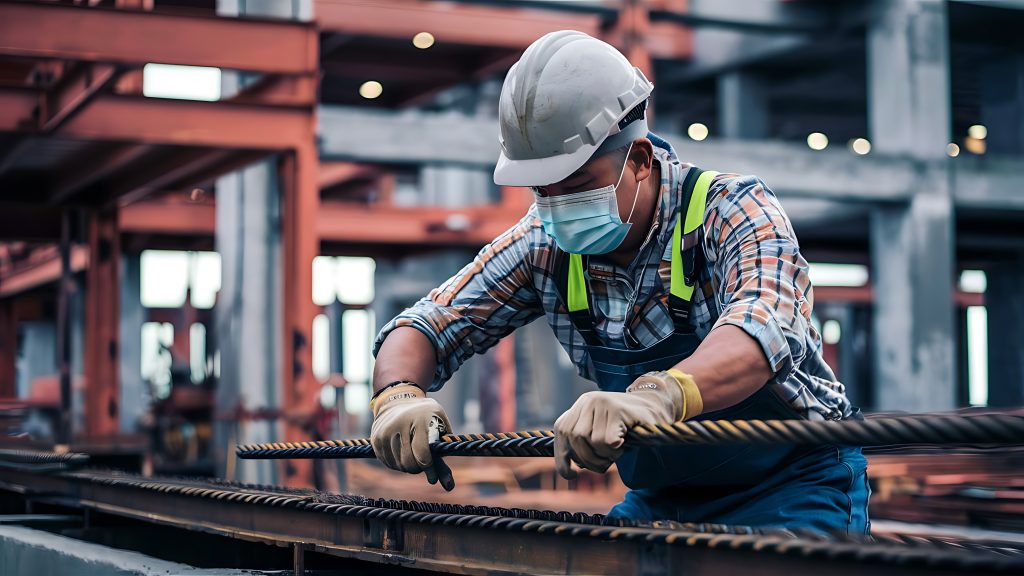
Before any beam is placed or foundation poured, a thorough material take-off sets the stage for success. At its core, this process involves quantifying every component needed for a project, from steel beams to bolts, ensuring nothing is overlooked. We often liken it to creating a detailed shopping list for a complex recipe—miss an ingredient, and the entire dish could falter.
What Exactly is Material Take-off?
Material take-off, sometimes abbreviated as MTO, is the systematic enumeration and measurement of all materials required for construction. In our work at TJ Steel Detailers, we start by reviewing architectural and engineering drawings to extract precise quantities. This includes calculating lengths, weights, and volumes of metal elements like structural steel frames, which are pivotal in modern building designs. By using advanced software and our team’s seasoned eye, we generate lists that detail not just what is needed but also potential waste factors and contingencies. This step is crucial because it directly influences procurement, reducing the risk of shortages or excess inventory that ties up capital unnecessarily.
Why Accurate Material Take-off Leads to Cost Savings
One of the primary benefits we see in accurate material take-off is its direct impact on budgeting. When materials are precisely quantified, projects avoid the pitfalls of over-ordering, which can inflate costs by 10-20% in some cases. Conversely, underestimating leads to delays and rushed purchases at premium prices. In our experience, integrating MTO early in the planning phase allows for better negotiation with suppliers, securing bulk discounts and favorable terms. Moreover, it enhances sustainability by minimizing waste—think of the environmental win when excess steel isn’t left rusting in a yard. For metal structures specifically, where precision in fabrication is key, a solid take-off ensures components fit seamlessly on-site, cutting down on rework and labor hours.
Integrating Technology for Enhanced Precision
In today’s digital age, we leverage tools like BIM (Building Information Modeling) to elevate material take-off from a manual chore to a streamlined, error-resistant process. These technologies allow us to simulate the entire structure virtually, identifying clashes or inefficiencies before physical work begins. For instance, in a recent high-rise project, our detailed MTO using 3D modeling helped reduce material waste by 15%, translating to significant savings for the client. This approach not only boosts accuracy but also fosters collaboration among architects, engineers, and contractors, ensuring everyone is aligned from day one.

Mastering Accurate Estimation: The Key to Project Viability
Estimation goes hand-in-hand with material take-off, providing the financial roadmap that guides a project from concept to completion. We view estimation as an art informed by science—balancing historical data, current market trends, and project-specific variables to predict costs with remarkable reliability.
Core Elements of Effective Estimation
A robust estimation process begins with a comprehensive scope review. We break down the project into phases: design, procurement, fabrication, and installation. For metal structures, this means accounting for variables like steel grade, corrosion protection needs, and seismic considerations. Labor estimates are derived from productivity rates, while overheads such as permits and insurance are factored in meticulously. The goal? To create a buffer against uncertainties without padding the budget excessively.
Navigating Material Costs in Volatile Markets
Material costs can fluctuate wildly due to global events, supply chain disruptions, or commodity price swings. In our practice, we monitor these trends closely, advising clients on optimal timing for purchases. For example, locking in steel prices early through forward contracts can shield projects from inflation. We also emphasize value engineering—suggesting alternatives like high-strength steel that might reduce overall tonnage while maintaining integrity, thus lowering costs without compromising quality.
Factoring in Labor and Overhead Expenses
Labor is often the wildcard in estimations. We draw on our extensive database of past projects to forecast man-hours accurately, considering factors like site conditions and crew expertise. Overhead costs, including equipment rental and administrative fees, are prorated across the project timeline. By doing so, we help clients achieve cost-effective outcomes, where every dollar spent contributes directly to progress rather than unexpected escalations.
Common Pitfalls and How to Avoid Them
Even seasoned professionals can stumble if estimations overlook hidden costs, such as transportation for oversized metal components or site-specific challenges like urban congestion. We mitigate these by conducting thorough site assessments and incorporating contingency plans. A proactive approach here not only prevents budget blowouts but also enhances project timelines, allowing for smoother execution.

Exploring the Benefits and Applications of Metal Structures
Metal structures have revolutionized construction, offering unparalleled advantages that align perfectly with accurate estimation and material take-off. At TJ Steel Detailers, we’ve seen firsthand how these elements enable projects to be more efficient, durable, and adaptable.
Unmatched Durability and Strength
One of the standout benefits of metal structures is their exceptional durability. Steel, for instance, withstands extreme weather, seismic activity, and heavy loads far better than many alternatives. This strength translates to longer lifespans—often 50 years or more—with minimal maintenance, reducing long-term costs. In estimation, this means lower lifecycle expenses, as initial investments pay dividends over time. We often highlight how metal’s resistance to pests, fire, and rot makes it ideal for high-stakes environments, ensuring projects remain cost-effective well beyond completion.
Versatility in Design and Construction
The flexibility of metal allows for innovative designs that push architectural boundaries. From curved facades to expansive open spaces without intermediate supports, metal structures enable creativity without excess material use. This versatility aids in material take-off by allowing precise customization—components can be prefabricated off-site, minimizing on-site waste and assembly time. Applications span from sleek modern offices to robust industrial warehouses, where modular metal systems speed up construction by up to 30%, directly impacting cost-effectiveness.
Diverse Applications Across Industries
The applications of metal structures are vast and varied. In commercial real estate, they’re used for skyscrapers and shopping centers, providing the skeleton that supports vibrant urban life. Industrial sectors rely on them for factories and storage facilities, where their scalability accommodates future expansions. In infrastructure, bridges and airports benefit from metal’s lightweight yet strong properties, facilitating quicker builds and easier maintenance. Even in residential projects, metal framing offers energy efficiency through better insulation integration. We at TJ Steel Detailers specialize in detailing these structures, ensuring that estimations account for sector-specific needs, like corrosion-resistant coatings for coastal applications or acoustic enhancements for entertainment venues. By incorporating metal, projects achieve sustainability goals too—steel is highly recyclable, aligning with green building standards and potentially qualifying for certifications that add value.
Best Practices for Implementing Estimation and Take-off in Your Projects
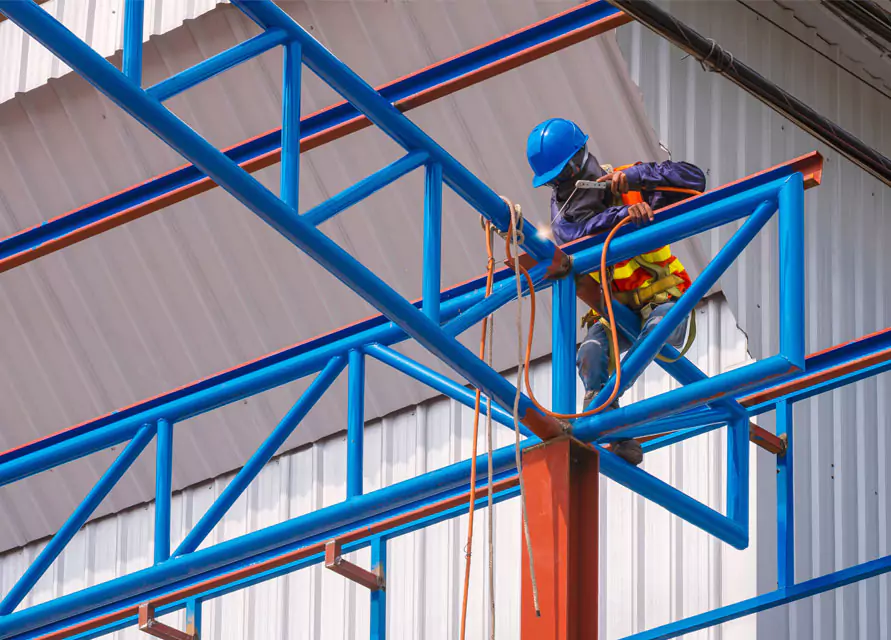
To truly harness the power of accurate estimation and material take-off, we recommend a structured approach. Start with cross-functional teams involving detailers, estimators, and project managers from the outset. Regular audits during the process catch discrepancies early. Embrace continuous learning—analyze completed projects to refine future estimations. For metal structures, prioritize supplier partnerships for real-time pricing data. Finally, document everything meticulously; this not only aids in accountability but also builds a knowledge base for ongoing improvements.
Leveraging Expertise for Optimal Results
Partnering with specialists like us at TJ Steel Detailers ensures that your estimations are not just accurate but optimized for the unique demands of metal-based projects. Our detailed shop drawings and fabrication plans integrate seamlessly with take-off data, streamlining the path to cost-effective delivery.
Frequently Asked Questions

What is the difference between material take-off and bill of quantities?
While both involve listing materials, material take-off focuses on raw quantities from drawings, whereas a bill of quantities includes unit prices and totals for tendering. We use take-off as the precursor to creating a comprehensive bill, ensuring cost-effective planning from the ground up.
How does accurate estimation impact project timelines?
Accurate estimation identifies potential bottlenecks early, allowing for realistic scheduling. In our experience with metal structures, precise take-offs reduce delays from material shortages, often shortening project durations by weeks and enhancing overall efficiency.
Can small projects benefit from professional material take-off services?
Absolutely. Even modest endeavors, like a metal-framed extension, gain from professional take-offs by avoiding waste and ensuring budget adherence. We tailor our services to projects of all sizes, delivering value through precision regardless of scale.
Conclusion

As we’ve explored, accurate estimation and material take-off are indispensable for achieving cost-effective projects, particularly when leveraging the benefits and applications of metal structures. From their durability and versatility to their wide-ranging uses across industries, metal elements provide a robust framework that, when planned meticulously, leads to sustainable, efficient outcomes. At TJ Steel Detailers, we’re committed to guiding our clients through these processes, turning potential challenges into opportunities for success. Whether you’re planning a towering commercial build or an industrial expansion, investing in precision pays off in savings, quality, and peace of mind. If you’re ready to elevate your next project, we invite you to connect with us—let’s build something remarkable together.