Skip to content
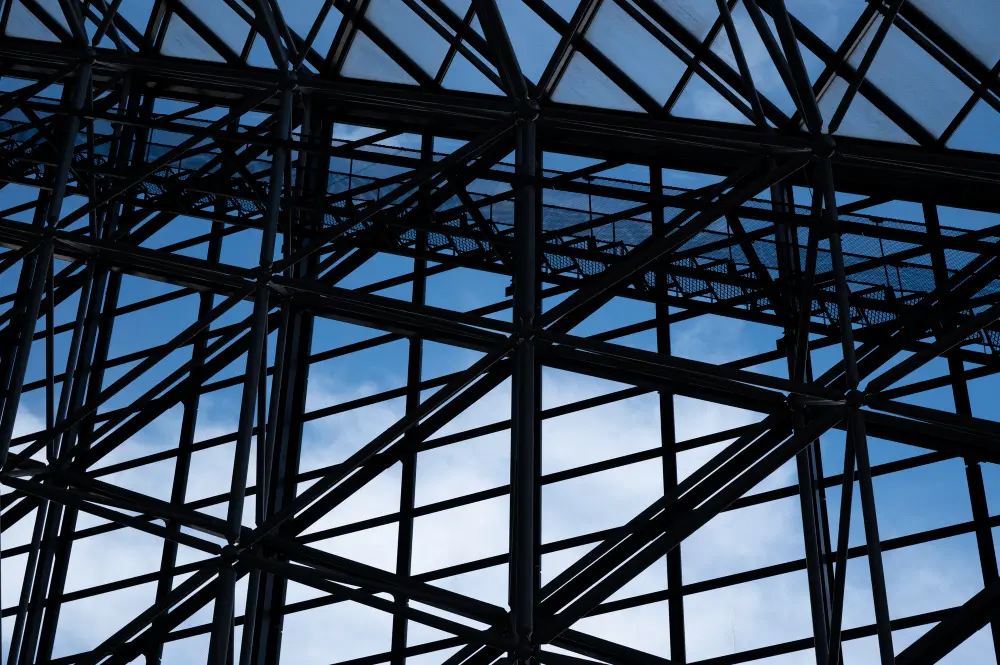
Steel structures have transformed the building industry, offering unmatched versatility and performance. Imagine erecting a skyscraper that stands tall against the elements or a warehouse that spans vast areas without internal supports—these are realities made possible by metal frameworks. In our experience at TJ Steel Detailers, steel isn’t just a material; it’s a strategic solution that blends strength, speed, and sustainability.
Key Benefits of Metal Structures
Let’s start with the benefits that make steel structures a go-to option. First and foremost is durability. Steel can withstand extreme loads, making it perfect for high-risk environments like seismic zones or areas with heavy snowfall. According to industry standards from the American Institute of Steel Construction (AISC), well-engineered steel frameworks can enhance overall resilience by up to 30% compared to traditional methods.
Another major benefit is the speed of assembly. Components are often prefabricated in controlled environments and shipped to the site for quick installation, slashing construction timelines by as much as 50%. This efficiency translates to lower labor costs and fewer disruptions, especially in bustling urban settings.
Sustainability is a standout benefit too. Steel is fully recyclable, reducing waste and lowering the carbon footprint of projects. In large-scale builds, this means significant environmental savings without compromising quality.
Practical Applications Across Various Sectors
The applications of metal structures are as diverse as they are impressive. In industrial settings, they’re used for factories and storage facilities where wide-open spaces are essential. For instance, automotive plants often rely on steel trusses and frames to accommodate overhead cranes, ensuring operational efficiency under constant vibrations.
In commercial and residential buildings, metal structures enable open-floor plans and innovative designs, like high-rise towers with expansive glass facades. Iconic examples include structures that prioritize aesthetics alongside functionality, allowing for flexible interiors.
For civil infrastructure, such as bridges and towers, steel’s resistance to fatigue and corrosion shines. Elevated highways benefit from articulated connections that absorb movements, extending lifespan in harsh conditions.
Even in agriculture and energy sectors, from grain silos to wind turbine bases, metal structures offer benefits like lightweight design and modularity, making expansions straightforward and cost-effective.
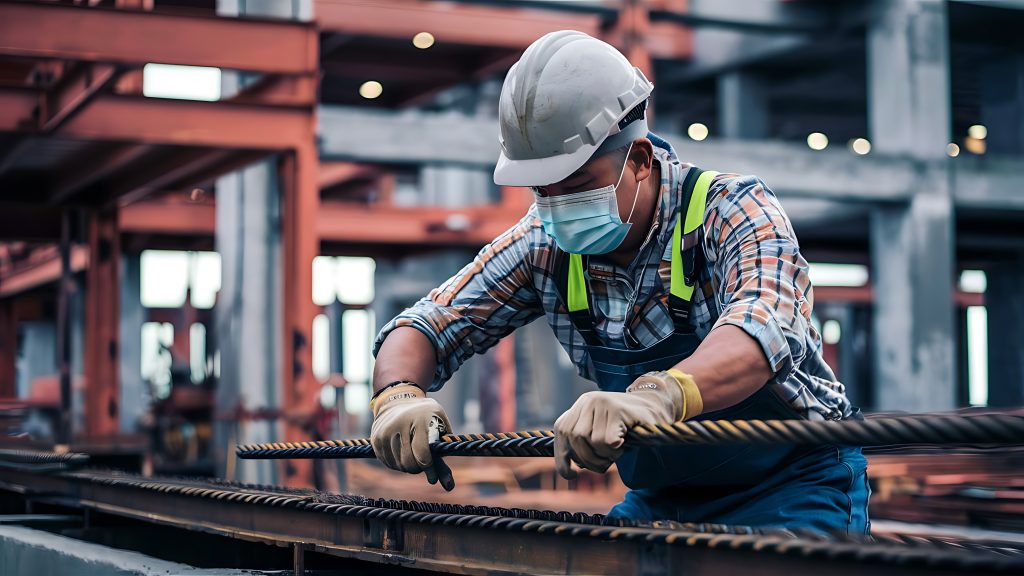
The Crucial Role of Connection Design in Structural Integrity
Now, let’s zoom in on the heart of the matter: connection design. At TJ Steel Detailers, we specialize in this area, knowing that a flawed connection can undermine an entire structure, while a superior one elevates it to peak performance. It’s not merely about joining parts—it’s precise engineering that ensures load transfer, flexibility, and longevity.
Types of Connections and Their Performance Impact
There are several types of connections, each tailored to specific needs. Bolted connections are popular for their ease of inspection and disassembly, ideal for temporary or expandable structures. They provide benefits like alignment precision and fatigue resistance, commonly seen in pedestrian bridges.
Welded connections offer monolithic rigidity, suited for moment-resisting frames in tall buildings. These minimize deflections, supporting applications in earthquake-prone regions.
Hybrid options, combining bolting and welding, deliver the best of both, often used in stadiums where dynamic loads are a concern.
Factors to Consider in Connection Design
In our approach at TJ Steel Detailers, we emphasize force transfer. Using advanced software like Tekla Structures, we simulate axial, shear, and moment loads to prevent failures. Selecting high-strength bolts (grades 8.8 or 10.9) is vital for benefits in long-term durability.
Ductility is key: connections that absorb energy during events like earthquakes prevent catastrophic collapses. Guidelines from Eurocode 3 help us calculate these to avoid weak links.
Corrosion protection, such as hot-dip galvanizing, safeguards exposed joints, particularly in marine environments.
Specific Benefits of Superior Connection Design in Steel Structures
Delving deeper, a well-executed connection design amplifies the overall benefits of metal structures. At TJ Steel Detailers, we view connections as the glue that binds efficiency, safety, and innovation.
Enhancements in Safety and Seismic Resistance
One top benefit is heightened safety. Designs incorporating energy dissipators, like slotted plates, allow controlled deformations in quakes, potentially reducing damage by 40%, per engineering studies. This is crucial in applications like hospitals or schools, minimizing downtime after events.
Economic Efficiency and Reduced Maintenance
From a cost perspective, optimal designs cut expenses. We at TJ Steel Detailers have seen how prefabricated connections reduce on-site labor by 20-30%, streamlining budgets. Their accessibility also eases inspections, prolonging maintenance intervals.
In industrial applications, this means fewer production halts, boosting return on investment.
Innovation and Adaptability in Advanced Applications
Innovative designs enable futuristic applications, such as smart structures with embedded sensors for real-time monitoring. In telecom towers, modular connections facilitate upgrades without full rebuilds.
Benefits include scalability: easily add sections, perfect for growing data centers.
Case Studies and Best Practices in Connection Design
To bring this to life, consider real-world examples. The Millau Viaduct in France showcases bolted connections with pre-tensioned bolts handling 200 km/h winds, underscoring benefits in aerodynamic stability.
In our recommendations at TJ Steel Detailers, we advocate Building Information Modeling (BIM) for 3D connection visualization, catching issues early. Always validate with load tests and ISO certifications.
Common Mistakes and How to Avoid Them
Steer clear of underestimating manufacturing tolerances—excessive gaps weaken bonds. Use templates for accuracy.
Overlooking fatigue in cyclic loads? Incorporate dynamic analyses.
Tools and Software Recommendations
Tools like Tekla Structures, which we use daily, optimize designs by integrating fabrication details seamlessly.
Frequently Asked Questions
What Makes a Connection in Steel Structures “Ductile”?
Ductility comes from geometries allowing plastic rotation without failure, using materials with defined yield points and reinforcements like stiffeners.
When to Choose Welded Over Bolted Connections?
Go for welded in permanent, high-rigidity setups; bolted for easy disassembly or frequent checks.
How Does Connection Design Impact Sustainability?
It optimizes material use, cuts waste, and aids recycling, aligning with LEED standards for greener builds.
Conclusion
In wrapping up, the importance of connection design in steel structures cannot be overstated—it unlocks the full potential of metal frameworks through benefits like durability, efficiency, and sustainability, across applications from bridges to commercial hubs. At TJ Steel Detailers, we commit to precision in every project, leveraging Tekla Structures and AISC standards to deliver safety and value. If you’re tackling a build, prioritize expert connection design for enduring success.