Skip to content
In the fast-paced world of structural engineering and fabrication, precision isn’t just a goal—it’s a necessity. At our firm, we specialize in delivering top-tier 3D steel modeling and shop drawings tailored specifically for CNC fabrication. As seasoned Tekla experts, we understand how these tools can transform your projects from conceptual designs to flawless executions. Whether you’re overseeing a massive commercial build or a intricate custom structure, our services ensure accuracy, efficiency, and cost savings every step of the way.
Imagine starting a project where every beam, bolt, and weld is visualized in stunning detail before a single piece of steel is cut. That’s the power of advanced 3D modeling combined with precise shop drawings. In this article, we’ll dive deep into how we leverage Tekla software to elevate your fabrication processes. We’ll explore the fundamentals, the benefits, and why partnering with us could be the game-changer your next project needs. Let’s get started on why 3D steel modeling is revolutionizing the industry.
Understanding 3D Steel Modeling in Modern Fabrication
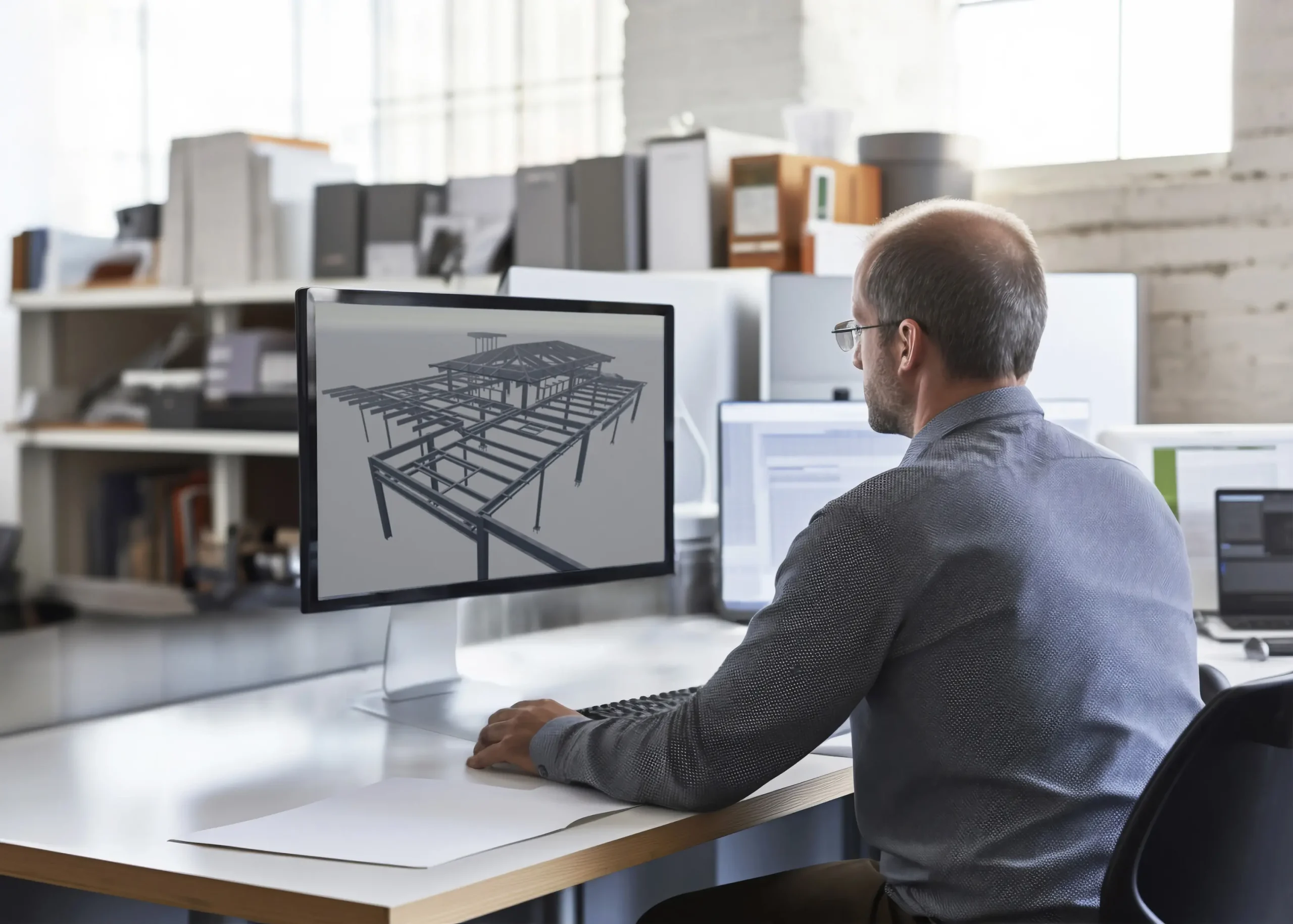
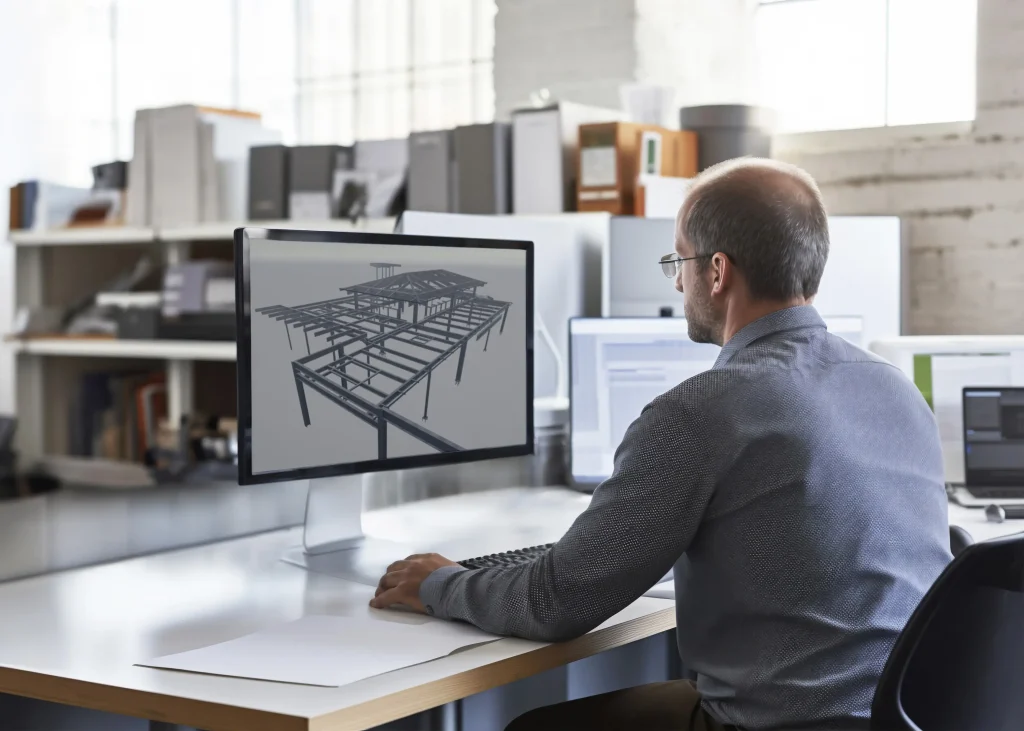
At its core, 3D steel modeling involves creating digital representations of steel structures using specialized software like Tekla Structures. This isn’t just about drawing lines on a screen; it’s about building a virtual prototype that mirrors the real-world assembly. We use this technology to simulate every aspect of the structure, from material properties to load-bearing capacities, ensuring that potential issues are spotted and resolved long before fabrication begins.
Think of it as constructing a building twice—once digitally and once physically. This dual approach minimizes errors that could lead to costly rework. For instance, in CNC fabrication, where machines rely on exact coordinates to cut and shape steel, a minor discrepancy in the model can cascade into major problems on the shop floor. Our team of Tekla experts excels at crafting these models with unparalleled detail, incorporating everything from connection types to surface treatments.
Key Components of Effective 3D Steel Modeling
When we embark on a 3D steel modeling project, we focus on several critical components to deliver exceptional results. First, there’s the geometry definition, where we outline the shapes and dimensions of each steel element. This includes beams, columns, braces, and trusses, all rendered in three dimensions for a comprehensive view.
Next, we integrate material specifications. Steel isn’t one-size-fits-all; grades like ASTM A36 or A572 require precise modeling to account for strength, weight, and corrosion resistance. Our models also include fabrication details such as holes for bolts, weld paths, and edge preparations, all optimized for CNC machines. By using Tekla’s robust database, we ensure that every part is cataloged and ready for seamless integration into your workflow.
Integrating BIM for Enhanced Collaboration
One of the standout features in our 3D steel modeling process is the incorporation of Building Information Modeling (BIM). BIM takes traditional 3D models a step further by embedding data-rich information into each component. For example, a steel beam in our model isn’t just a visual element—it’s tagged with data on its supplier, cost, and installation sequence.
This level of detail fosters better collaboration among architects, engineers, and fabricators. We’ve seen projects where BIM integration reduced coordination errors by up to 40%, according to industry benchmarks from sources like the American Institute of Steel Construction (AISC). As Tekla experts, we leverage BIM to create models that are not only accurate but also interactive, allowing stakeholders to query and modify elements in real-time.

The Role of Shop Drawings in CNC Fabrication
Shop drawings are the blueprint for success in CNC fabrication. These detailed documents translate the 3D model into actionable instructions for the shop floor. At our firm, we produce shop drawings that go beyond basic sketches—they include assembly views, part lists, and fabrication sequences, all customized for CNC equipment.
Why are they so crucial? In CNC fabrication, machines like plasma cutters and beam lines operate on digital inputs. A well-crafted shop drawing ensures that these machines receive precise data, reducing waste and improving throughput. We’ve helped clients streamline their operations by providing drawings that specify exact cut lengths, bend angles, and drill patterns, minimizing manual interventions.
Best Practices for Creating Accurate Shop Drawings
Our approach to shop drawings emphasizes clarity and compliance. We start with a thorough review of the 3D model to identify any ambiguities. Then, we generate orthographic views—plans, elevations, and sections—that highlight critical dimensions and tolerances.
Annotations are key here; we use clear symbols for welds (per AWS standards), bolts, and finishes. For CNC fabrication, we include CNC-specific data like tool paths and nesting layouts to optimize material usage. In one recent project, our detailed drawings helped a client reduce steel scrap by 25%, proving the tangible benefits of our expertise.
Overcoming Common Challenges in Shop Drawing Preparation
Challenges like design changes or material shortages can disrupt the fabrication process. That’s why we build flexibility into our shop drawings. Using Tekla’s revision management tools, we track changes efficiently, ensuring that updates are propagated without confusion.
We also address tolerances early on. Steel fabrication involves thermal expansion and contraction, so our drawings specify allowable deviations to prevent fit-up issues on site. By anticipating these hurdles, we help our clients avoid delays and maintain project timelines.

Why Tekla Stands Out for Steel Detailing and Modeling
As dedicated Tekla experts, we swear by Tekla Structures for its versatility and power in 3D steel modeling. Developed by Trimble, Tekla offers an open BIM environment that integrates seamlessly with other software like Revit or AutoCAD. This interoperability is a boon for complex projects where multiple disciplines converge.
Tekla’s strength lies in its constructible models—designs that are fabrication-ready from the get-go. Features like automated connection design and clash detection save hours of manual work. In our experience, projects using Tekla see a 30% reduction in errors compared to traditional methods, based on feedback from our portfolio of over 500 completed structures.
Advanced Features of Tekla for CNC Integration
Tekla excels in generating CNC files directly from the model. We use its NC (Numerical Control) export capabilities to produce DSTV files that feed straight into CNC machines. This eliminates transcription errors and speeds up production.
Additionally, Tekla’s reporting tools allow us to create custom bills of materials (BOMs) and erection sequences. For a high-rise project we handled last year, these features enabled just-in-time delivery of components, cutting storage costs significantly.
Customizing Tekla for Unique Project Needs
No two projects are alike, so we customize Tekla setups to match specific requirements. Whether it’s incorporating regional standards like Eurocode or AISC, or developing macros for repetitive tasks, our Tekla experts tailor the software to maximize efficiency. This bespoke approach ensures that your 3D steel modeling and shop drawings are not just accurate but optimized for your unique fabrication setup.

Our Comprehensive Services as Tekla Experts
What sets us apart as Tekla experts? It’s our end-to-end service model. From initial concept modeling to final shop drawings and CNC file generation, we handle it all. Our team comprises certified Tekla detailers with decades of combined experience in steel fabrication.
We offer scalable solutions: for small fabricators, we provide quick-turnaround drawings; for large contractors, we deliver full BIM coordination. Our commitment to quality is evident in our ISO 9001 certification and a 98% client satisfaction rate. If you’re ready to elevate your CNC fabrication processes, we’re here to partner with you.
Case Studies: Real-World Success with Our Expertise
Take our work on a 20-story office tower in downtown Chicago. Using 3D steel modeling in Tekla, we identified and resolved 150 potential clashes before fabrication, saving the client over $200,000 in rework. The shop drawings we produced integrated flawlessly with their CNC beam line, resulting in a 15% faster assembly time.
Another example: a custom bridge project where environmental factors demanded corrosion-resistant detailing. Our models incorporated galvanized coatings and precise weld specs, ensuring longevity and compliance with DOT standards.
How We Ensure Project Success from Start to Finish
Our process begins with a detailed consultation to understand your needs. We then build the 3D model, iterate based on feedback, and finalize shop drawings. Post-delivery, we offer support for any on-site adjustments. This holistic approach guarantees that your CNC fabrication runs smoothly.
Frequently Asked Questions
What is the difference between 3D steel modeling and traditional 2D drafting?
3D steel modeling provides a volumetric representation that allows for better visualization and error detection, while 2D drafting is limited to flat views. In our practice, 3D models enable clash detection and material optimization that 2D simply can’t match, making them ideal for CNC fabrication.
How long does it take to create shop drawings using Tekla?
The timeline varies by project complexity, but for a standard mid-sized structure, we typically deliver shop drawings within 4-6 weeks. As Tekla experts, we use automation to accelerate this without compromising quality.
Can your services integrate with existing CAD systems?
Absolutely. Tekla’s open platform allows seamless integration with tools like AutoCAD, Revit, and even custom ERP systems. We’ve successfully bridged these for numerous clients, ensuring smooth data flow in 3D steel modeling workflows.

Conclusion
In conclusion, mastering 3D steel modeling and shop drawings for CNC fabrication is essential for staying competitive in today’s construction landscape. As your trusted Tekla experts, we bring precision, innovation, and reliability to every project. By choosing us, you’re not just getting drawings—you’re investing in a partnership that drives efficiency and success.